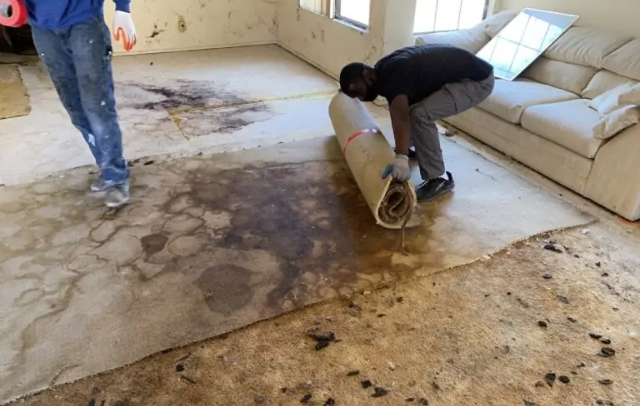

Pet odor in a rental is stressful because it is not only a smell problem. It becomes a timeline problem, a deposit problem, and sometimes a dispute problem. Tenants want to move out without losing their deposit. Landlords want the unit rent-ready fast without repeated complaints from the next tenant. The hard part is that pet urine odor can hide under carpet padding, inside the subfloor, and even along wall edges. That means a quick surface cleaning can leave odor behind, and the smell can reappear after humidity, heat, or regular cleaning.
This guide will help both tenants and landlords handle pet odor the smart way. You will learn how to figure out how serious the odor is, what you can realistically fix with DIY, when you need professional inspection, and what permanent options prevent the smell from returning in the next tenancy.
If you are wondering why the smell seems gone and then comes back.
Why pet odor becomes a rental problem so quickly
Rentals are different from owner-occupied homes for three reasons.
First, time pressure. Move-out schedules often leave only a few days to solve the problem.
Second, accountability. If odor returns after the tenant leaves, landlords may have to pay again to fix it.
Third, sensitivity. New tenants might detect odors that the previous tenant stopped noticing.
This is why a rental pet odor plan should focus on certainty and verification, not just masking.
Who is responsible for pet odor in a rental
Responsibility depends on the lease, local laws, and the cause of the odor. In many leases, pet-related damage is treated as tenant-caused damage. That can include urine stains, odor, carpet damage, and subfloor contamination. However, landlords also have obligations to maintain the unit and address issues that affect habitability.
This guide is not legal advice, but here is the practical approach that reduces conflict.
Tenants should document the condition on move-in and move-out.
Landlords should document inspections and remediation steps.
Both sides should focus on solving the odor permanently rather than arguing about surface cleaning.
The biggest rental mistake: treating only the surface
Most move-out cleaning focuses on what is visible. But pet urine odor is often not visible. It is trapped in layers.
Carpet padding can hold odor even when the carpet looks clean.
Subfloor can absorb urine and reactivate odor later.
Wall edges can smell like urine even after floors are cleaned.
If you suspect padding involvement
If you suspect subfloor involvement
If the wall line smells like urine
Move-out pet odor checklist for tenants
Use this checklist to avoid wasting time.
Step 1 Identify the strongest odor zones
Close windows for a while, then smell at floor level. Focus on corners, wall edges, and spots near doors. Do not rely only on standing height.
If you want a structured system, use the detection guide.
Step 2 Confirm if the odor is in carpet, padding, or structure
If odor spikes after humidity or after light mopping, the source is likely deeper than the surface.
If you cleaned multiple times and odor returns, it is not a cleaning effort problem. It is a depth problem.
Step 3 Decide whether DIY is realistic
DIY can be realistic when the accident was recent and surface level. If the odor is old, repeated, or structural, DIY often becomes a time sink.
Step 4 Plan your timeline
If you are moving out, you need to plan around drying and cure time.
Step 5 Document the remediation
Take photos and keep receipts, especially if you are trying to protect a deposit. Documentation does not remove odor, but it can reduce disputes.
Landlord checklist for rent-ready odor remediation
Landlords want two things. Speed and certainty.
Step 1 Inspect before replacing anything
Replacing carpet can be expensive and still fail if the subfloor is contaminated. Start with inspection or at least a structured hotspot check.
The best first step in many rentals is professional mapping.
Step 2 Choose the right remedy based on the layer
Surface odor needs surface treatment.
Padding odor may need padding replacement.
Subfloor odor often needs sealing.
Wall edge odor may need drywall repair.
If the unit has repeated pet accidents, assume there may be more than one hotspot, especially in corners and near door zones.
Step 3 Verify before marketing the unit
Odor verification is critical. A unit can smell fine on a dry day and smell bad on a humid day. Verification reduces callbacks and complaints.
What DIY can realistically fix in a rental
DIY can help if the odor is mild, recent, and surface level. It can also help if you need to improve the situation quickly while you schedule professional work.
But DIY has a hard limit. It cannot reliably remove odor that has soaked into padding, subfloor, or drywall edges.
If you want to explain this to readers, connect to Blog 3 using this anchor: enzyme cleaners vs professional pet odor removal.
A good rule for rentals is this. If odor returns after one careful treatment and full drying, stop repeating the same DIY cycle. Move to inspection and structural solutions.
When carpet and padding must be replaced in rentals
Carpet and padding replacement becomes the best option when the padding is saturated, odor returns after cleaning, or stains and damage are widespread. But replacement should include checking the subfloor, or the smell can return even with brand new carpet.
When subfloor sealing is the rental game-changer
Subfloor sealing is often the most reliable fix when odor keeps returning. This is especially true in rentals where the goal is to prevent complaints from new tenants.
Subfloor sealing is a common reason rental odors finally stop returning after months of repeated surface cleanings.
When wall edges and drywall become part of the problem
Many rental odor problems are corner problems. Corner problems are often multi-layer.
A cat marking corner can contaminate carpet padding, subfloor, and the drywall edge behind the baseboard. If you fix only the floor, a faint odor can remain at the wall line.
Move-out strategy for tenants who need fast results
If you are a tenant with a hard deadline, the fastest strategy is not guessing. The fastest strategy is confirming the source layer and applying the right solution once.
Step one is locate the hotspot.
Step two is confirm depth.
Step three is choose the correct fix based on depth.
Step four is allow drying or cure time and verify.
If you need a local service solution, point readers to the correct service page based on the pet type.
Landlord strategy for avoiding repeat complaints
Landlords lose money when odor problems return. The best strategy is to treat the unit like a system.
Inspect first and map all hotspots
Fix each hotspot at the correct layer
Verify after drying and under normal HVAC
Keep documentation of what was done
Avoid marketing the unit until verification is complete
This approach reduces the risk of a new tenant complaining after the first humid week or after the first time they mop.
Common questions that cause disputes
Why did the odor come back after professional carpet cleaning
Because the source was in padding, subfloor, or wall edges. Cleaning the top layer can temporarily reduce odor but not remove deep residue.
If carpet is replaced, why can odor still remain
Because the subfloor can hold odor and release it upward. Replacement without subfloor treatment can fail.
Who pays for subfloor sealing
That depends on the lease and responsibility determination. Practically, the correct fix matters more than arguing about surface cleaning. If the unit must be rent-ready, subfloor sealing is often the permanent solution when contamination is confirmed.
How do I prove I tried to fix it
Keep receipts, take photos, document dates, and request written notes from service providers. This helps with disputes, even though it does not replace the need for permanent remediation.
FAQs
Can I remove pet odor before moving out without replacing carpet
Sometimes, if the odor is surface level and recent. If padding or subfloor is involved, replacement or sealing may be necessary.
Why does the apartment smell fine during the day but worse at night
Humidity, temperature, and airflow changes can reactivate residues. Closed rooms concentrate odor. This is part of the reactivation cycle explained in Blog 1.
What is the fastest professional approach for rentals
Start with odor inspection and detection, then apply targeted remediation at the correct layer, and verify after drying or curing.
Does ozone treatment solve rental pet odor permanently
Ozone is not a magic fix and is not appropriate for every case. Permanent solutions usually involve removing or sealing the true source. Always prioritize source removal and safety.
What should landlords do before installing new carpet
Confirm subfloor and wall edges are clean or sealed, or the new carpet can absorb returning odor.