Start Here — What best describes your situation?
Most people fall into one of these:
We pulled up carpet over concrete and the slab smells
Garage smells like a kennel from years of pet use
Basement humidity is making the concrete odor worse
Slab-on-grade home with cat urine soaked into the foundation
Contractor refuses to install over the contaminated slab
We sealed it with concrete sealer and it didn’t hold
Garage, Slab, Patio, Basement
Garage or Slab Smells Like Cat Urine? Pressure Washing Reaches the Surface, Not the Slab.
Most people land here after other services and cleaning products have addressed the surface but the smell keeps returning — if that's you, you're in the right place.
If you’ve already pressure washed, scrubbed, and applied surface cleaners — and the concrete still smells — the urine is in the slab, not on it.
Garage floors, patios, basement slabs, and other concrete surfaces are porous. Urine penetrates the surface and absorbs into the slab. Once it’s inside, surface cleaning can’t reach it. Pressure washing addresses the surface of the concrete, while the urine remains embedded within the slab below. Surface cleaners and chemical products each have their time and place — some work in the right conditions on the right surface. Cured concrete that has absorbed urine into its pore structure isn’t one of those situations. Knowing which approach fits which condition is the difference between repeated cleaning cycles and a fix that holds.
To eliminate the cat urine smell from concrete, the slab has to be properly prepared and sealed with a structural-grade encapsulator that reaches the urine embedded below the surface.
Our structural odor remediation is backed by a 5-year written guarantee.
We seal the slab at the source — not the surface above it.
Call now if pressure washing isn't working.
Free Phone Quote • Discreet • No Judgment
Quick call. No pressure. We’ll tell you what’s worth doing first.
If you can smell it, we can find it. If we can find it, we can eliminate it at the source.
Founded 1989 • Pet Odor Specialists Since 2000 • Structural Remediation Since 2012
You may also be dealing with:
If you haven't had an inspection yet, start there first.
Most problems involve multiple surfaces, and treating one area without a full diagnosis can waste time and money. Our inspection identifies which surfaces are actually contaminated — so the remediation plan addresses the real scope, not just what’s visible.
Quick Qualifier
Make Sure This Is the Right Service
This service is for:
- Garage, basement, or patio concrete that smells
- Slab-on-grade homes with contaminated concrete under flooring
- Pressure washing, scrubbing, or enzymes have failed
- Smell returns when the slab heats up or humidity rises
This is NOT for:
- Surface-level concrete cleaning
- Single accidents that haven't soaked in
- Decorative concrete coating or staining
We seal the urine inside the slab — not the surface above it.
Pressure washing the surface does not remove urine that has soaked into the slab.
Concrete Behavior
Why Cat Urine in Concrete Is a Whole-House Problem
Here's what most people miss about concrete:
This is why the smell keeps coming back even after the slab looks clean.
Concrete (a cement-based slab) looks solid but it’s actually porous. Whether it’s a garage slab, patio, or interior floor — it behaves like a hard sponge.
How Concrete Holds Urine
Capillary action pulls urine deeper
contamination travels into cracks, joints, and the slab core
Capillary action pulls urine deeper
contamination travels into cracks, joints, and the slab core
Cold joints and control joints
act as wicking pathways — urine spreads beyond the original spill zone
Aggregate and cement bonds trap compounds
the slab releases odor for years after the surface is cleaned
Concrete doesn’t just absorb urine — it releases odor back into the air whenever temperature or moisture conditions change.
Where Surface Methods Stop Working on Porous Concrete
By the time you smell it, the urine is already in the concrete pores below the surface.
Surface methods address the surface.
Pressure washing, surface cleaners, and chemical products each have their time and place — some work in the right conditions on the right surface. Once urine has soaked into slab pores, those surface conditions don't fit what these methods are meant to do. The result isn't product failure — it's a mismatch between the tool and the surface condition. Knowing the difference is what 30+ years of experience tells us.
Sealing without preparation seals the source in.
Applying a sealer over a contaminated, unprepared slab covers the urine compounds underneath. The seal eventually fails or vapor migrates around it. Slab preparation has to come first.
This is why the cleaning cycle never ends — the methods are right for surface contamination, but the contamination isn’t on the surface anymore.
Once urine is inside the concrete, surface treatment cannot extract it. Cleaning lifts what's on top. The urine embedded in the slab continues releasing odor whenever heat, humidity, or moisture activates it.
Real Scenarios
Real Concrete Contamination Scenarios We Handle
Start here — find your situation: Every situation below is a job we’ve handled. The first three are our most common calls.
- ★ Most Common Call
"My garage smells like cat urine even after pressure washing"
Cats accessed the garage, marked the slab, and the urine soaked into the concrete. Pressure washing made the surface look clean, but the urine remained embedded in the slab below. The smell returns whenever the garage warms up.
- ★ Most Common Call
"Tenant left dog urine on the basement concrete"
Long-term dog urination on basement slab. Contamination reached the slab core and spread along control joints. Odor activates when humidity rises or the basement warms.
- ★ Most Common Call
"We removed carpet from the slab-on-grade home and the concrete underneath stinks"
Carpet pad held urine for years. Urine soaked through pad into the concrete. Same scenario as subfloor odor sealing but with concrete instead of wood subfloor.
If this is your situation, call now and seal the slab before the contamination spreads further.
"Flipped house — the new flooring smells"
Concrete contamination beneath new LVP, tile, or laminate. The flooring went down over a contaminated slab. Heat from below activates the odor through the new floor.
"Dog run or patio area that smells even after washing"
Outdoor dog runs and patios see repeated urination in the same areas. The concrete absorbs the urine over time, and even after washing, the smell returns when the surface heats up in the sun or after rain.
Whichever scenario matches yours — the next step is the same.
Find Your Scenario? Start the Phone Quote.
Where It Concentrates
Common Concrete Contamination Areas
Concrete contamination concentrates in specific zones depending on the type of structure and how pets accessed it. This is where we find it.
Garage Slabs
The most common concrete contamination scenario. Garages are common cat marking territory — indoor/outdoor cats, stray cats accessing through gaps, or homeowner’s cats using the space. Garage floors also see dog urine, oil and chemical spills, and rodent contamination. The slab absorbs all of it — which is why the urine smell keeps returning even after the surface has been cleaned.
Slab-on-Grade Home Floors
In homes built directly on a concrete slab (no wood subfloor), pet urine that soaks through carpet and pad reaches the concrete. When carpet is removed for new flooring installation, the contaminated slab is revealed. New flooring may temporarily suppress the odor, but if the concrete is contaminated, the smell will come back. Treating the slab before new flooring is installed addresses the source.
Basement Floors
Basement concrete absorbs urine from minor surface incidents, water intrusion, and sometimes sewage backups. Cool, humid basements amplify the off-gassing of contaminated concrete — the smell often gets worse rather than better over time.
Crawl Space Concrete
Some homes have partial concrete in crawl spaces. When cats access crawl spaces and use them as alternate litter areas, the concrete becomes severely contaminated. This often qualifies for biohazard odor cleanup rather than standard concrete sealing.
Patios and Exterior Concrete
Outdoor patios, walkways, and concrete pads see concentrated dog urine in the same areas day after day. Even though they’re outdoors, repeated urination saturates the concrete. The smell becomes noticeable on hot days when the sun heats the patio slab, and after rain when humidity rises.
Dog Run Areas
Dedicated dog run areas — whether enclosed concrete pads, side yards, or kennel runs — absorb urine in heavy concentration. Daily exposure in the same square footage means the slab takes on more contamination per square foot than any other exterior surface. Washing the dog run keeps the surface looking clean, but the urine smell returns when the concrete heats up.
Workshop and Outbuilding Slabs
Detached garages, sheds, workshops — any outbuilding with a concrete floor that pets access — develop the same contamination patterns as residential garages.
Cracks, Control Joints, and Edges
Within any contaminated slab, the worst contamination concentrates in cracks (where urine pools and penetrates deeper), at control joints (where the slab is intentionally weakened), and along perimeter edges where the slab meets walls. This is how the contamination usually spreads.
We treat the slab itself — not just the surface above it.
The Cost of Waiting
What Happens If You Don't Properly Seal Contaminated Concrete
Cat and dog urine smell in concrete doesn’t dissipate. The urine embedded in the slab outlasts surface treatments year after year.
New Flooring Over Contamination Doesn't Last
New flooring installed over a contaminated slab may temporarily suppress the odor, but the contamination remains in the concrete. Heat and humidity activate the odor, and over time the smell returns despite the new floor.
Garage Stays Unusable
Contaminated garage slabs make the garage unusable as livable, working, or storage space. Hot summer days amplify the odor. Items stored in the garage absorb it.
Resale Value Drops
Buyers walking through a home with a contaminated garage or slab notice immediately. Reduced offers, longer time on market, or buyer demands for remediation as a closing condition.
Cleaning Cycle Costs Add Up
Repeated pressure washing, scrubbing, surface cleaner applications, sealing attempts — each round costs labor, materials, and time. The methods are right for surface contamination; they don’t fit slab contamination. Continuing to apply surface methods to a slab problem keeps the cycle going. The fix is matching the right tool to the actual surface condition.
Contamination Spreads
As pets continue marking the same areas, the contaminated zone expands. What started as a contained area in the garage becomes the whole garage floor.
Seal the slab properly once — or pay for surface treatments forever.
If this is what you're dealing with, call now and stop the odor at the source.
The Process
Our Concrete Odor Sealing Process
Here's how we eliminate it at the source:
No cleaning steps. No surface patches. Each phase depends on the one before it.
Pet Odor Inspection
Every project starts with our Pet Odor Inspection Service. UV black light, moisture meters, and visual mapping identify contaminated zones, depth indicators, and crack/joint patterns. Output: itemized estimate.
Surface Preparation
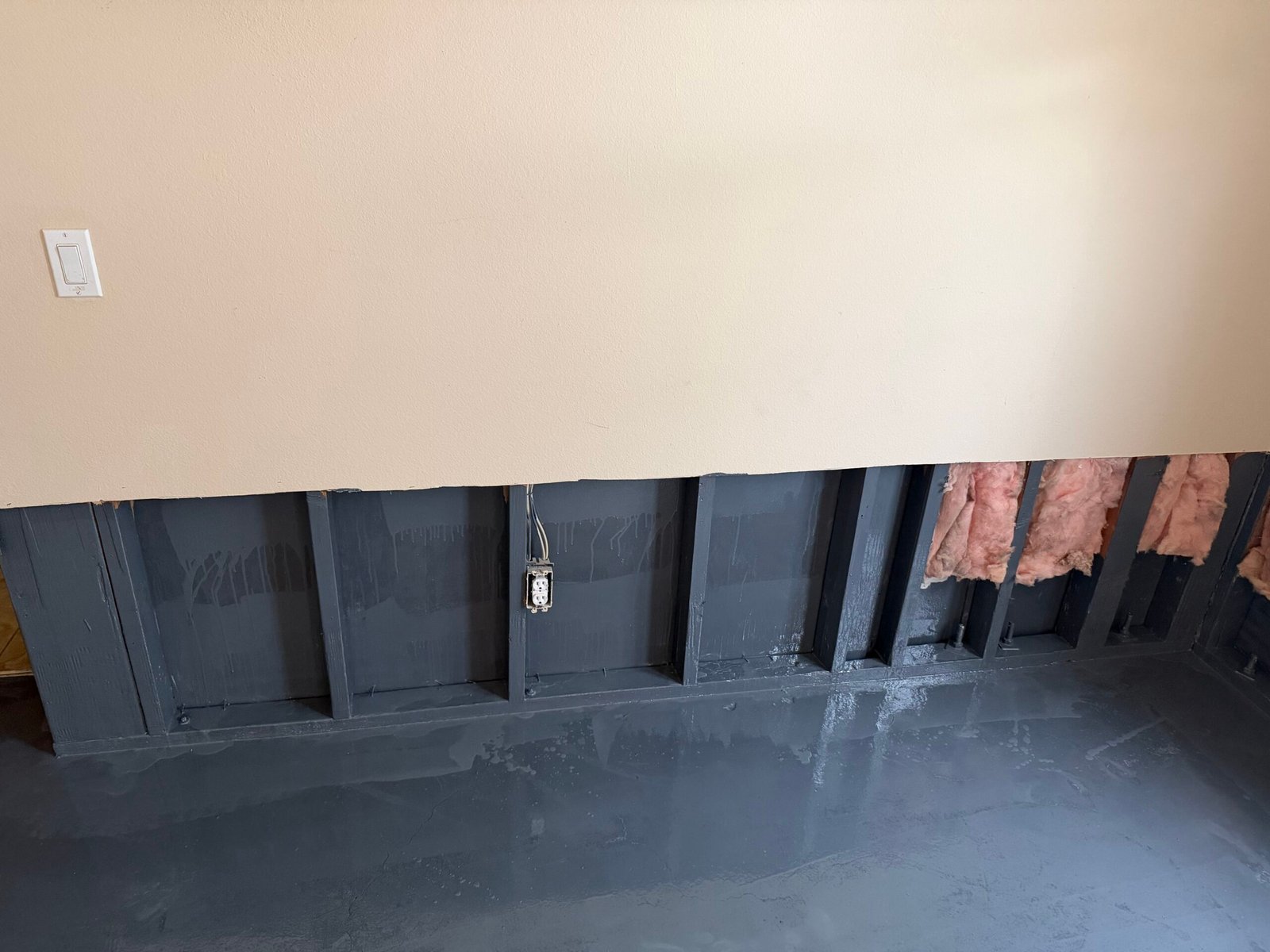
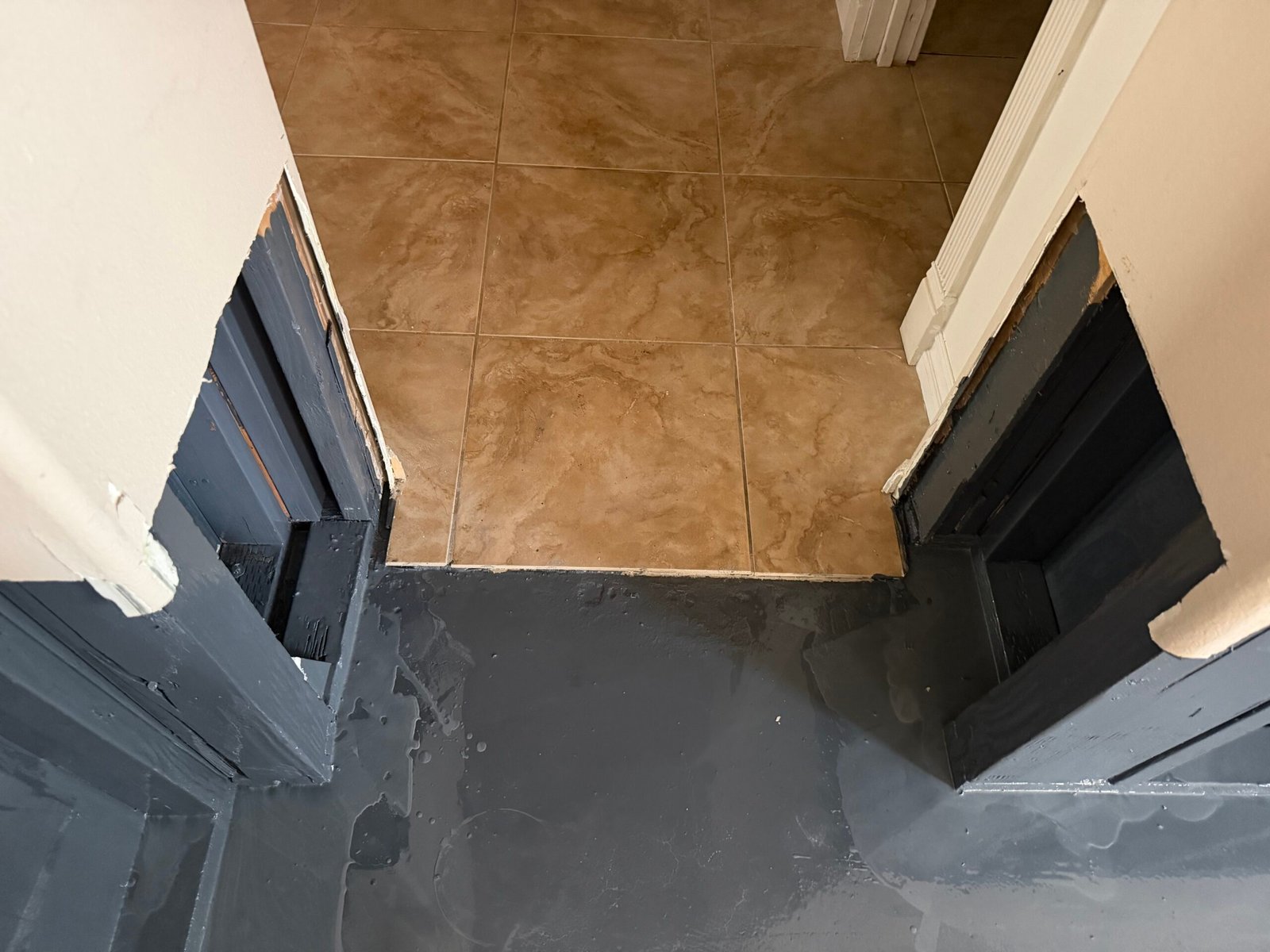
Concrete is mechanically ground or acid-etched depending on contamination depth and slab condition. Preparation opens the pores so the encapsulator penetrates and bonds at the molecular level — not just on the surface.
Crack and Joint Treatment
Cracks and control joints get individual attention because they’re the deepest contamination pathways. Treated separately from the open slab to ensure the encapsulator reaches all the way down.
Apply Odor Encapsulator
Our proprietary Odor Encapsulator is applied to the prepared slab. The product penetrates the concrete pores, bonds at the molecular level, creates a vapor barrier, and locks the contamination inside the slab so it cannot off-gas.
Cure and Verify
Cure time varies depending on temperature and humidity. After cure, we verify the odor is gone before closing the job.
At the end of this process, the urine in the slab is sealed at the source — not covered.
Our structural odor remediation is backed by a 5-year written guarantee.
Ready to Start with Step 1?
Related Services
Where Concrete Damage Connects
Concrete contamination is rarely confined to the slab itself. The remediation often involves several of these:
For homes with wood subfloor instead of concrete slab. Same principle — different surface.
In garages and basements, contaminated walls often need treatment alongside the slab.
If cats are the source, the contamination usually extends beyond just the concrete to walls, baseboards, and adjacent surfaces.
Dog urine on concrete — kennels, runs, garages, basements — needs both source treatment and slab sealing.
Required first step on every project. Maps every contaminated surface so the remediation scope covers everything.
For severe contamination involving hoarder situations, crawl space concrete, or pet feces accumulation.
FAQ
Frequently Asked Questions
Cost depends on slab square footage, contamination depth, surface condition, and whether grinding or acid etching is required. Every project starts with our inspection, which produces an itemized estimate. Free phone quote available — call 877-386-3677.
Most full-home projects are completed in several working days. The exact timeline depends on the size of the home and severity of contamination — your inspection report includes a project-specific timeline. The job isn’t complete until the odor is gone and you approve it during the final walkthrough.
In most cases, once sealing is complete, the odor is gone within 24 hours. Extreme cases may require a double coating but that’s rare.
Cure time varies depending on temperature and humidity. Light foot traffic returns once the encapsulator has cured. Vehicle parking on garage slabs returns once full cure is achieved.
Yes — the encapsulator gives the slab a uniform appearance with a slight sheen. Many customers actually prefer the finished appearance to the original raw concrete. Color options are limited but available.
Pressure washing addresses surface contamination on the concrete. When urine has soaked into the slab, the contamination remains embedded in the concrete pores below the surface — where pressure washing can’t reach.
Yes. Our structural odor remediation is backed by a 5-year written guarantee. Documented on every project.
Every pressure-wash cycle that improved the smell temporarily was money spent without reaching the urine inside the slab.
One sealed slab. One odor-free surface. From the team that does the work.
Where to Next
Still Reading? Here's the Fastest Path Forward.
- Not Sure Yet?
Not sure where the odor is coming from? Start with a Pet Odor Inspection. The inspection finds the actual scope before any work begins — UV black light, moisture meters, pattern recognition, itemized estimate.
- Match Your Situation
- If you're about to install new flooring and need the subfloor sealed first, start here.
- If you smell it but can't find the source, start here.
- If you've had cats for years and want to reclaim your home, start here.
- Other Surfaces
- If the smell is coming from below the flooring, see Subfloor Odor Sealing.
- If the smell is along the baseboards or where floor meets wall, see Baseboard Odor Remediation.
- If it's whole-house cat urine, see Cat Urine Odor Removal.
- If contamination is severe — hoarding, multi-cat, or decomposition — see Biohazard Cleanup.
Stop Cleaning. Start Sealing.
You don't have to figure this out yourself. We handle this every day.
You don’t need to know yet whether the slab can be sealed or has to be cut out — that’s what we figure out on the call.
Pressure washing reaches the surface. When urine has soaked into the slab, the contamination is below where pressure washing can reach.
Get a real number from someone who treats the concrete itself — garage slab, patio, dog run, or interior floor — not just the surface above it. Free phone quote.
If cleaning isn't getting the job done, you don't have a cleaning problem — you have urine odor embedded in the subfloor, drywall, or concrete below the surface.
Call now and seal the slab where the urine actually is.
Quick call. No pressure. We’ll tell you what’s worth doing first.
If you can smell it, we can find it. If we can find it, we can eliminate it at the source.

Urine can remain embedded in the concrete and reactivate when temperature or humidity changes — which is why the smell often gets stronger when the garage warms up in summer, when the slab heats from sun exposure, or when humidity rises after rain.