Start Here — What best describes your situation?
Most people fall into one of these:
Just bought a house and now it smells like cat urine
We demoed everything and the house still smells
I can smell it but can’t find where it’s coming from
We already replaced flooring but the smell came back
We had it cleaned, but the smell keeps coming back
ated slab
We don’t want to install new flooring until the odor is gone
The smell gets worse when it’s hot or humid
Tenant moved out and left urine damage behind
Trying to sell but the odor is affecting the property
Certified Home Inspector — Pet Urine Odor Detection Service
Find Out What's Actually Causing the Smell
If you're not sure where the odor is coming from, how far it has spread, or what materials are affected, the inspection is where we start.
Most buyers either overpay or miss hidden contamination because they never get a real inspection.
1. Before Selling
2. Before Buying
3. After Closing
This is not a general home inspection — this is a targeted odor investigation focused specifically on pet urine damage.
This inspection gives you the exact cost to fix the problem — before you make a decision.
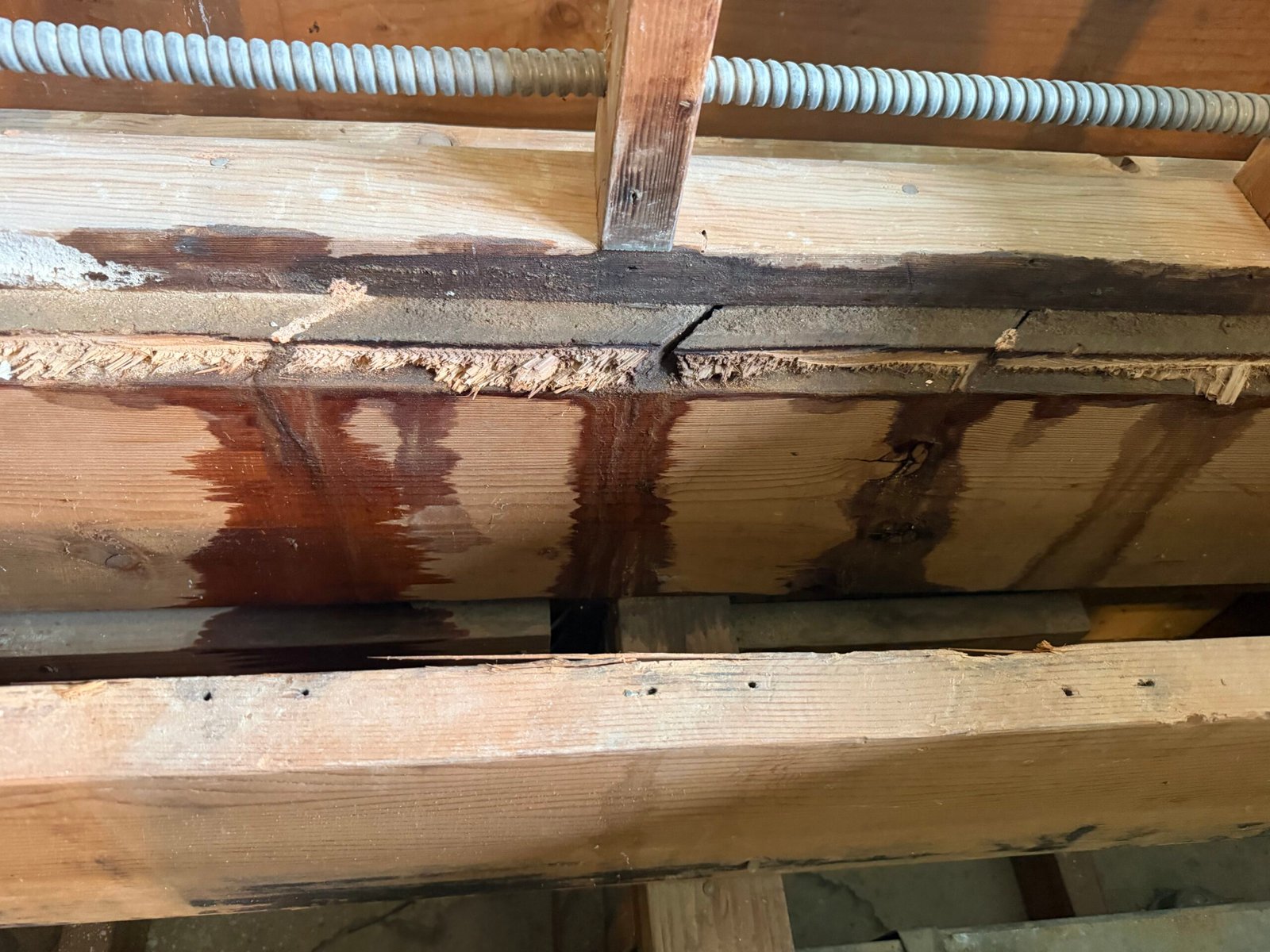
The inspection is what determines exactly where the odor is coming from, how far it has spread, and what it will take to eliminate it. Without this, you’re guessing — and guessing is what leads to overpaying, missed contamination, or doing the wrong work.
You’re now at the right place. Whether you can’t find the source of the cat urine smell or you know exactly where it is, we evaluate the home, assess the damages, document our findings, and put a price on the damage associated with the cause and smell. You get a clear dollar amount for what it’s going to cost — so you can decide how to proceed with real data from an expert.
If you're dealing with cat urine odor that keeps coming back, the problem is usually deeper than surface cleaning. If the whole house smells like cat pee but can't find it, our inspection finds it, documents it, and prices the remediation — so you know exactly what you're dealing with before you make your next move.
Can't Find the Source of the Cat Urine Smell?
If your house smells like cat urine but you can’t find where it’s coming from, the contamination is usually:
- Under flooring (subfloor or concrete)
- Inside walls (drywall or framing)
- Absorbed into materials that were cleaned but not removed
Surface cleaning addresses what you can see — but the odor you smell is often coming from urine embedded below the surface in the subfloor, concrete, or drywall.
A visible stain doesn’t always mean there’s an odor — and an odor doesn’t always mean there’s a visible stain. Cleaning may remove visible urine, but it doesn’t always remove the invisible odor stain inside the material — that’s why you can still smell it even when you can’t see it.
Call now if you're making a decision on this property.
Free Phone Quote • Discreet • No Judgment
Quick call. No pressure. We’ll tell you what’s worth doing first.
If you can smell it, we can find it. If we can find it, we can eliminate it at the source.
Founded 1989 • Pet Odor Specialists Since 2000 • Structural Remediation Since 2012
Not Sure What You’re Dealing With?
Quick Qualifier
Make Sure This Is the Right Service
This inspection is for:
- Whole-house odor problems
- Hidden or returning urine smells
- Real estate decisions involving pet damage
This is NOT for:
- Minor surface cleaning
- Single accidents
- General home inspections
This inspection gives you the real number to fix the problem.
Audience Match
Who Needs a Pet Odor Inspection
Start here — find your situation: Every situation below is a job we’ve handled. The first three are our most common calls.
- ★ Most Common Call
Home Buyers — Before Closing Escrow
It’s in your best interest to find out how much of a credit or price reduction was allocated for “professional odor remediation.” Get an exact number from the seller — then compare their assessed value against an actual estimate from the expert who does the work. Close escrow knowing the real cost of pet odor remediation, not a guess. Before you even make an offer, use our free Home Buyer’s Pet Damage Checklist at every walkthrough to identify red flags early.
- ★ Most Common Call
Home Buyers — After Closing Escrow
You bought a house that smells like cat pee and didn’t know it, or the smell came back after move-in. You’ve started unpacking and there’s a urine odor you can’t track down. This is what we see in most homes that get sold with disclosed pet damage. If you can’t find the source of the cat urine smell, don’t panic. If you’re in California, get your closing documents out. Look at the Sellers’ Questionnaire — check for any mention of pets, urine, feces, or repairs done for pet damage. Then contact your realtor and let them know there’s a problem. Then call us.
- ★ Most Common Call
Home Sellers — Before Listing
We’ll tell you exactly what’s needed to remediate the odor problem 100%, and the cost to get rid of it. Most whole-house scenarios require the home to be unoccupied during remediation — that’s something to plan around. Our assessment gives you the real remediation number from the expert who does the work, so you can combine it with your contractor’s cost to put the house back together.
- ★ Most Common Call
Real Estate Investors and Flippers
Distressed property evaluation. We give you the urine odor damage cost so you can factor it into your acquisition math. Our inspection focuses only on pet urine odor damage — we don’t assess general rehab scope. You bring in your contractor for that. What you get from us is a documented number for the urine remediation specifically, so you’re not guessing on the biggest unknown variable.
If this is your situation, call now and get a real number before you move forward.
Real Estate Agents — Representing Buyers
Your client is negotiating on a property where the house smells like cat pee but can’t find it — or the seller has acknowledged pet odor damage. Without a documented remediation cost from a specialist, they’re negotiating blind. Our home inspection for pet odors includes our findings and remediation costs to negotiate with real info instead of speculations. That puts them in a stronger position than the seller’s generic “pet odor discount.”
Real Estate Agents — Representing Sellers
Our home inspection for pet odors means your seller can decide whether they want to do the remediation and get top value, or discount the home and sell it as-is. At least now they have real knowledge to base that decision on — and it makes your job easier when the info comes from an expert. Our pet odor inspection gives you the real cost to remediate odor damage for negotiation.
Landlords — Deposit Recovery and Turnover
Tenant caused pet damage beyond normal wear and tear. You need documented proof of the damage and its remediation cost to claim against the security deposit, pursue small claims, or recover through the tenant’s renter’s insurance. Our inspection is the document that gets that done.
Tenants — Move-In and Move-Out Protection
Document existing pet damage at move-in so you’re not blamed for it later. Or at move-out, document what you’re responsible for vs. what was already there when you moved in. Our home inspection for pet odors protects your deposit either way.
Probate — Heirs and Estate Executors
Inherited property with the previous owner’s pet damage. Our inspection gives you the real remediation cost — so you can decide how to proceed: fix the property and sell at full value, or discount it and sell as-is. Either way, you’re making the decision with real numbers, not assumptions. Also helps establish accurate estate valuation and fair settlement among heirs.
Attorneys — Pet Damage Disputes
Disclosure cases, security deposit disputes, landlord-tenant disagreements. Our home inspection for pet odors provides independent verification and documentation of odor damage that supports the negotiation or settlement.
Whichever situation matches yours — the next step is the same.
Find Your Situation? Start the Phone Quote.
The First Question We Ask
"What Have You Done So Far?"
The first question we ask on every inspection isn't about your pets. It's about your remediation history.
We’re not asking to judge you — we’re asking because we used to be the company applying those products.
This business started in 1989 as a carpet cleaning company. From 2000 to 2012, we specialized in pet odor and stain removal — using the same enzymes, surface cleaners, and deodorizers that line the shelves at Home Depot and PetSmart today. We did thousands of jobs that way. And we watched the same homes call us back six months, a year, eighteen months later — same complaint, same room, same smell.
In 2012 we transitioned from carpet cleaning into structural odor remediation. We developed the Odor Encapsulator. We built a prep sequence that holds. We backed it with a 5-year written guarantee. The reason we can guarantee it isn’t the product alone — it’s the 12 years we spent watching surface treatments fail on structurally contaminated homes, and the 14+ years since refining the structural method.
Seal the slab properly once — or pay for surface treatments forever.
That’s why we ask what you’ve done so far. We’ve found subfloors saturated end-to-end after years of repeated treatments. We see empty bottles around the house. We see arsenals of full gallons stockpiled for the next round. Some clients have shelves dedicated to these products. They keep buying because each application gives a few weeks of relief — then the smell returns. We know — because for 12 years, we were the service they kept calling back.
The inspection has to come before any remediation work so we know the actual surface conditions, not just the assumed scope. Your remediation history is part of that picture.
What’s Included
What's Included in the Inspection
This is how we determine exactly what it will take to fix the problem.
UV Black Light Inspection
UV light is one of the main tools we use to find cat pee with blacklight technology and locate urine stains on every affected surface. Cat spray on walls, dog urine on concrete, urine-soaked carpet pad — all of it lights up under UV when it’s not visible to the naked eye. This is where the smell is actually coming from.
Electronic Moisture Detection
Moisture meters tell us how wet the contamination is and whether it’s above or below industry standards for moisture in subfloors, concrete, framing, and drywall.
Cat vs. Dog Urine Pattern Forensics
Cats spray high and perimeter pee along walls. Dog urine patterns depend on the dog: females squat and leave round puddles, males lift their legs and hit corners of walls, doors, chair legs. Black light readings confirm the pattern. The pattern tells us where to look next.
Unknown Odor Detection
Sometimes the owner doesn’t know what’s causing the smell. If your blacklight is not finding cat urine but you still smell it, the contamination may be deeper — under flooring, inside walls, or in framing where a consumer-grade light can’t reach. Is it urine? Dog body odor? Rodent droppings, urine, or infestation in walls? We identify the source and differentiate odor types — which determines what service you actually need.
Odor and Stain Mapping
Significant stains, affected materials, and contaminated zones — documented with photos. Room-by-room map that becomes the basis of the itemized estimate.
Where We Find Contamination
This is where we find it. Pet urine doesn’t stay where it lands. The inspection traces it across every surface it has reached:
- Subfloor — plywood and OSB beneath carpet, pad, and tack strip
- Concrete — slab-on-grade homes, garages, basements, patios, dog runs
- Drywall and wall cavity — wicking up from the floor line, cat spray, and contamination behind the surface
- Framing, sill plates, and studs — in severe cases where urine has reached the structure inside the wall
- Baseboards — saturated MDF or finger-jointed pine at the wall edge
- Hidden zones — closets, corners, behind furniture, under area rugs, door jambs, and other spaces routinely missed during walkthroughs
This is how the problem usually spreads. Every contaminated surface gets documented and added to the itemized scope.
Room-by-Room Itemized Estimate
You get an itemized estimate that includes the services needed to remediate the urine damage: concrete treatment for urine-saturated concrete, subfloor sealing for urine-soaked subfloors, drywall removal for urine-damaged drywall, wall stud treatment, carpet and flooring removal, baseboard replacement, and odor encapsulation.
We do our best to give you the most accurate estimate based on our findings at the time of inspection.
Summary Report of Findings
Straightforward written assessment of what’s there, what it costs, and the recommended path forward. Used for negotiations, landlord-tenant disputes, estate decisions, or just understanding what you’re dealing with before you commit to remediation. The inspection tells you exactly what you’re dealing with — no guessing.
A Note on Carpet Allowances
Sellers often offer buyers a “carpet allowance” — a credit at closing toward new flooring. Here’s what most buyers don’t realize: the inspection often reveals that the allowance amount is less than what full structural remediation costs. In many cases, the entire carpet allowance gets consumed by the remediation work alone — leaving the buyer to pay for new flooring out of pocket. Know the real scope before you accept a carpet allowance as sufficient.
Every finding directly affects scope and cost — without this information, any remediation plan is just a guess.
If Damage Is Confirmed
What the Inspection May Reveal
We identify where the odor is coming from and give you a clear, itemized cost to fix the problem. When the inspection identifies pet urine embedded in the subfloor, concrete, drywall, or wall cavity, remediation typically involves one or more of the following.
Sanding, treating, and sealing urine-contaminated concrete slabs in garages, basements, and interior floors.
Drying, prepping, and sealing urine-saturated subfloors with our Odor Encapsulator so new flooring goes down over an odor-free base.
Removal or sealing of urine-contaminated drywall from cat spray, wicking from the floor, or severe wall saturation. Severity-driven — not every wall has to come out.
Wall Stud Treatment
In severe cases, urine penetrates framing studs behind drywall. Studs get treated with our Odor Encapsulator before new drywall goes back up.
Contaminated carpet, pad, tack strip, and flooring materials removed and hauled away before subfloor treatment begins.
Full structural remediation for cat spray contamination, perimeter urine damage, and multi-cat household saturation.
Remediation for dog urine saturation in carpet pad, subfloor, and concrete, plus dog body odor absorbed into walls and flooring.
What the inspection reveals is what determines whether you're dealing with a simple issue — or a full structural remediation.
If this is what you're dealing with, call now and get the exact scope and cost.
That's what this inspection produces — the real cost to fix it.
Use Cases
What Pet Odor Inspections Are Used For
Our inspection is the entry point for every project, but it serves several distinct use cases. Most calls fall into one of these scenarios:
Unknown Odor Detection
You smell something but you can’t locate the source. The smell shifts depending on the room, the time of day, or the weather. Standard cleaning hasn’t fixed it. We use UV black light, moisture meters, and 30+ years of pattern recognition to identify what’s contaminated and where. Our inspection is the right answer when the source is unclear.
Remodeled / Flipped House Verification
The house was just remodeled. Fresh paint, new flooring, updated trim. It looked great during walkthrough — but now that you’ve moved in (or are about to close), you smell something underneath the new finishes. We read the layers a flipper applied and work backward to find what’s hidden under fresh paint, new flooring, shellac, and texture coats.
Pre-Purchase Buyer Due Diligence
Before closing escrow, you want documented proof of what’s there — or what’s not. Our written report and itemized estimate give you negotiation leverage with the seller, or documented confirmation that no contamination was detected. Especially valuable when the home has fresh paint, new carpet, or strong air fresheners during showings.
Pre-Listing Seller Documentation
If you’re listing a home with disclosed pet damage — or suspect there might be issues — a documented inspection produces the paperwork you can hand a buyer to demonstrate scope and either remediate before listing or price accordingly. Reduces buyer renegotiation risk.
Tenant Move-Out Turnover Scope
Tenant left, carpet came up, subfloor smells. You need to know exactly what needs treatment and how much it will cost so you can document deductions, schedule remediation, and re-list the unit on a known timeline. Our report supports landlord-tenant disputes and security deposit defense.
Biohazard / Severe Contamination Intake
For biohazard odor removal situations — hoarder properties, severe pet feces contamination, crawl space contamination — the inspection determines whether the job qualifies for biohazard scope (with specialized PPE, content removal, and waste disposal protocols) or standard pet odor remediation. Pricing and timeline depend on this scoping decision.
Insurance / Disclosure Dispute Documentation
When pet damage becomes a legal or insurance question — disclosure dispute, landlord-tenant litigation, real estate transaction disagreement — our written report serves as independent third-party documentation. Photos, moisture readings, contamination mapping, and itemized scope all become exhibits. Attorneys regularly use our reports in negotiations and proceedings.
Different scenarios. Same inspection process. Same documentation. We tell you what's there and what it will cost to fix.
Pricing
What a Pet Odor Inspection Costs
Inspection pricing typically runs from $350 to $2,500+ — depending on what kind of inspection you actually need. Two types cover most of what we do:
When You've Already Decided to Remediate
You’ve decided to fix the problem. We’re on-site to scope the exact cost before we start the work. The inspection produces your itemized project quote, and the inspection fee is credited toward the project.
Typical: $350 – $750
When the Inspection IS the Deliverable
The job may not happen yet — or at all. The deliverable is the report itself. Common cases:
- Home buyer pre-closing — needs the real number to negotiate, but escrow hasn’t closed
- Forensic “can’t find the source” — requires UV mapping, moisture forensics, deeper investigation
- Legal disclosure cases — court-defensible methodology and written report
- Insurance claims — documentation that supports the claim
- Estate / probate evaluation — neutral third-party assessment
Typical: $750 – $2,500+
The inspection fee is not always credited toward remediation in these cases — because the report itself is the deliverable, not a project quote.
What Drives the Price Up
Square footage of the property
Multi-surface contamination
Diagnostic depth
Documentation level
Travel distance
Extreme contamination
For a real number on your specific situation, call us for a free phone quote.
By appointment only, as scheduling allows.
Left untreated, this type of contamination can spread deeper into materials over time. The longer you wait, the bigger the remediation gets.
Buyer Protection
Don't Be Pressured to Close on a House That Stinks
Seller’s market or not, you have the right to know what’s under the smell.
Carpet and flooring allowances are nice. Price reductions are nice. But here’s the reality: in many cases, those credits end up getting consumed entirely by the structural remediation — leaving you to pay for the new flooring, the paint, and the rest out of pocket.
Cat urine odor soaks through carpet into the pad, through the pad into the tack strip, into the subfloor, and into the framing. It wicks up into drywall. It saturates the concrete slab in garages and basements.
None of that is fixed by new carpet, fresh paint, or a cleaning crew. The cosmetic discount accounts for what you see. The urine embedded in the subfloor, concrete, drywall, and framing is what you don’t see.
Left untreated, this type of contamination can spread deeper into materials over time. What was a $5,000 remediation can become a $12,000 remediation as urine wicks further into framing, subflooring, and adjacent drywall.
Get the real number before you close — or risk owning a problem that costs more than your negotiated discount.
Without that number, you’re making one of the biggest financial decisions of your life based on incomplete information.
If you’re buying a house that smells like cat urine, the most expensive mistake is guessing what it will cost to fix.
If you’ve already bought a house that smells like cat pee, the same rule applies: get the real remediation number documented before you decide how to proceed. That number is the foundation of every smart next step — disclosure dispute, seller recovery, or planning your own remediation.
he cosmetic discount accounts for what you see. The urine embedded in the subfloor, concrete, drywall, and framing is what you don’t see.
The Math
The Question Nobody Asks
A home is discounted for pet odor. The listing agent notes the discount. The home inspector notes the smell. The appraiser adjusts the value. The buyer closes — and nobody answered the one question that decides whether this is a good deal or a disaster:
How much is the discount FOR the pet urine remediation specifically?
Discount > Remediation Cost
The buyer got a great deal.
Discount = Remediation Cost
The buyer broke even.
Discount > Remediation Cost
The buyer overpaid — sometimes by a significant margin.
And the only way to answer that question is with a documented inspection — not a guess, not a credit, not a contractor opinion.
The Reportch
What the Inspection Report Helps You Do
Negotiate Purchase Price
Use the report to negotiate a purchase price that reflects the actual structural remediation cost — not a guess at what a cleaning crew might charge.
Plan Your Remediation Budget
Understand the full scope and cost before committing. Itemized estimate broken down room by room, material by material.
Know What Needs Removal vs. What Can Be Treated
Not every contaminated surface needs to be removed. The inspection identifies which materials require removal (saturated insulation, severely contaminated drywall, urine-soaked carpet pad) and which can be treated in place (sound subfloor, intact concrete slab, surface-level drywall contamination). Knowing the scope ahead of time is what prevents over-removal and over-spending.
Know What You're Dealing With
Sometimes you just want a straight answer. The inspection gives it to you — no guessing.
The Differentiator
Our Home Inspection for Pet Odors
Our home inspection is specifically designed to analyze and report the cost to remediate the smell of urine odor damage caused by animals, pets, or humans.
We do not clean, guess, or mask odors during the inspection — we identify the exact source and quantify the damage.
Most cat urine odor problems are not on the surface — they are inside materials like subfloor, concrete, and drywall.
If cleaning hasn’t worked, it’s because the odor isn’t on the surface anymore.
Urine can remain embedded in subfloor, concrete, or drywall and reactivate when temperature or humidity changes — which is why the smell often gets stronger when the home warms up, when windows have been closed, or after rain raises the humidity inside the house. The inspection identifies where the urine has settled in so the dormancy can be eliminated, not just suppressed.
Standard home inspectors cover everything: electrical, plumbing, roofing, HVAC, foundation. Pet urine odor typically appears as a one-line note: “pet odor detected in bedroom 2.” That’s a mention — not a remediation scope, not a cost.
Our inspection does one thing: document pet urine damage in detail — every affected material, every contaminated zone, every priced line item to remediate it to pre-loss condition.
The two inspections complement each other. Serious buyers often get both.
Scheduling
Scheduling and What to Expect
Book by Phone
Call 877-386-3677 to discuss your property. Free initial phone call. Free phone quote. Most inspections booked within 3-5 business days. Expedited scheduling available for pending escrow, pre-listing rush, or time-sensitive situations.
On-Site Inspection
1-3 hours on-site depending on property size. A senior team member conducts the pet odor inspection personally. UV black light, moisture meters, photo documentation on every affected surface.
Report Delivery
Written report via email within 24-72 hours of the on-site inspection. Includes damage summary, photo documentation, room-by-room itemized remediation estimate, and findings.
Ready to Book Your Inspection?
FAQ
Frequently Asked Questions
We offer free phone quotes. If you can answer a few basic questions, we can give you a realistic price range. An on-site inspection is the next step to confirm the exact scope and cost. Pricing depends on property size and complexity — homes that have been remodeled and need a more investigative approach require more time and detailed work. Call 877-386-3677.
1 to 3 hours on-site. Written report delivered via email within 24-72 hours.
No. The inspection is a standalone service. The report is yours to use as the situation requires.
Yes. Every area treated with our Odor Encapsulator during the remediation work is backed by our 5-year written guarantee.
Yes. Buyers use it for purchase negotiations, sellers use it to justify asking prices, landlords use it for deposit recovery, and attorneys use it in disclosure and property disputes.
That’s useful information. It may give you grounds to renegotiate the purchase price, request additional seller credits, or walk away. Either way, you’re going into the transaction with real numbers instead of assumptions.
Yes — Arizona, Nevada, Utah, and New Jersey on request. Travel fees apply for out-of-state work.
ect.
Most inspections booked within 3-5 business days. Expedited scheduling for time-sensitive transactions.
Client Reviews
What Clients Say
PORS provided us a thorough inspection report beforehand which provided us with a clear understanding of the problem and a roadmap on how they would address it. In the end, they successfully rid the home of the odor.
Jody came over to give his expert investigation and assessment of the situation. I appreciated his timely response and expertise in this area.
Jody was incredibly professional and attentive. He took the time to explain the entire process and answered all my questions thoroughly.
If you're making a decision on this property, don't do it without this number.
Where to Next
The Inspection Is the Starting Point. Here's Where It Leads.
Three doorways forward — pick whichever matches where you are right now.
- Match Your Situation
Find your situation, then come back to schedule the inspection that fits it:
- If you've had cats for years and want to reclaim your home, start here.
- If you just bought a house and the smell appeared after move-in, start here.
- If you smell it but can't find the source, start here.
- If you're a landlord dealing with tenant pet damage, start here.
- If you're about to install new flooring and need the subfloor sealed first, start here.
- If you're a realtor or seller with a property too contaminated to list, start here.
- Already Know the Surface?
Already know what surface or scope you’re dealing with? Go directly to that service:
- If it's whole-house cat urine, see Cat Urine Odor Removal.
- If a dog has been urinating in the same spots for years, see Dog Urine Odor Removal.
- If the smell is coming from below the flooring, see Subfloor Odor Sealing.
- If the smell is coming from a slab, garage, patio, or basement concrete, see Concrete Odor Sealing.
- If the odor is strongest near walls or baseboards, see Drywall Odor Removal.
- If the carpet itself is contaminated and needs to come out, see Carpet Removal.
- If you're hearing scratching, finding droppings, or smelling decomposition, see Rodent Odor Cleanup.
- If contamination is severe — hoarding, multi-cat, or decomposition — see Biohazard Cleanup.
- Skip the Reading — Just Call
If you’d rather just talk through it, that’s the fastest path. We’ll listen first, then walk you through what makes sense.
Free phone quote. Under 10 minutes. No pressure.
Founded 1989 · Pet Odor Specialists Since 2000
Know What You're Dealing With
You don't have to figure this out yourself. We handle this every day.
You don’t need to know the solution yet — that’s what the inspection is for.
Buying, selling, renting, disputing, or remediating — the inspection tells you exactly what’s there, what it costs, and what it takes to make it right.
- The first real step before any remediation
- The decision point that determines scope and cost
If cleaning isn't getting the job done, you don't have a cleaning problem — you have urine odor embedded in the subfloor, drywall, or concrete below the surface.
No guessing. Just a real number from the expert who does the work.
You don't need another opinion — you need the actual number.
Call now and know exactly what you're dealing with.
Quick call. No pressure. We’ll tell you what’s worth doing first.
If you can smell it, we can find it. If we can find it, we can eliminate it at the source.

Everything below is part of the inspection process — used to locate, confirm, and document the source of the odor before any remediation is considered. Full damage documentation. Room by room, material by material.