Professional Odor Inspection (Find the Source Before You Spend Money)
You know there’s an odor problem. You just don’t know how bad it is.
Maybe you’re buying a house and want to know what you’re getting into before closing escrow. Maybe you’re selling and need to understand the full extent of the damage before listing. Maybe you’ve already tried cleaning, painting, or sealing—and the smell came back.
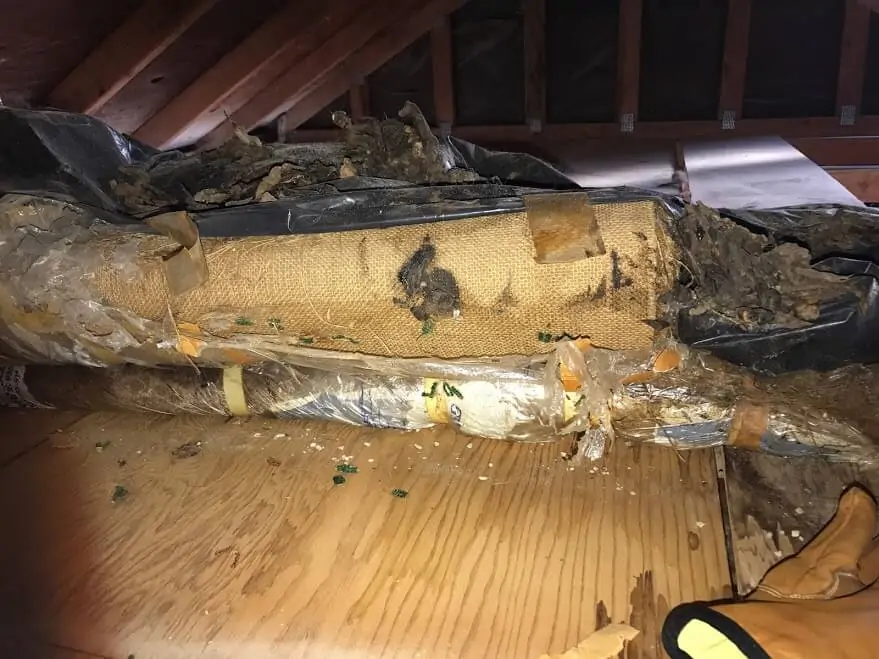
Here’s the truth: You can’t fix what you can’t see. Cat urine doesn’t always show visible stains. The worst contamination is often hidden behind baseboards, in subfloors, inside wall cavities, soaked into concrete cracks and joints.
An odor inspection finds the source. It confirms what’s contaminated and what’s not. It gives you a clear scope of work so you’re not guessing, wasting money, or discovering surprises halfway through a project.
.
Professional Odor Inspection (Find the Source Before You Spend Money)
You know there’s an odor problem. You just don’t know how bad it is.
Maybe you’re buying a house and want to know what you’re getting into before closing escrow. Maybe you’re selling and need to understand the full extent of the damage before listing. Maybe you’ve already tried cleaning, painting, or sealing—and the smell came back.
Here’s the truth: You can’t fix what you can’t see. Cat urine doesn’t always show visible stains. The worst contamination is often hidden behind baseboards, in subfloors, inside wall cavities, soaked into concrete cracks and joints.
An odor inspection finds the source. It confirms what’s contaminated and what’s not. It gives you a clear scope of work so you’re not guessing, wasting money, or discovering surprises halfway through a project.
Who Needs an Odor Inspection?
Homebuyers: You saw “PETS” checked on the disclosure. Or the house smells but the seller says “it’s nothing.” Get an inspection before closing so you know what you’re buying.
Home Sellers: You know there’s odor, but you’re not sure how bad it is. An inspection tells you exactly what needs to be fixed before listing—so you can price the work correctly and avoid failed inspections.
Real Estate Investors & Flippers: You bought a foreclosure or estate sale that reeks. You need to know if it’s surface-level cleaning or full remediation. An inspection gives you the real scope and budget.
Landlords & Property Managers: Tenants moved out and left cat damage. You need to know if you’re looking at carpet replacement or subfloor remediation before you re-list the unit.
Homeowners Who Already Tried Fixing It: You painted. You replaced carpet. You sealed with Kilz. The smell came back. An inspection finds what you missed.
Types of Odor Inspections We Provide
Best time to inspect: During your inspection contingency period, BEFORE
you close escrow.
1. Inspections BEFORE Buying a Home (Why It's Best)
CRITICAL: California Seller's Questionnaire PETS, ANIMALS AND PESTS Section
If the seller checks “YES” to any of these questions:
- “Are there now, or have there been, any pets or animals kept on the property?”
- “Is the Seller aware of any pet or animal damage?”
You have been officially notified. The seller disclosed it. Now it’s up to you to do your due diligence and investigate BEFORE closing.
Known vs Unknown Pet Damage - Two Different Situations:
- Known pet damage (disclosed): Seller checked “YES” on the disclosure. You know what you’re getting into. You can inspect, negotiate repairs, request price reductions, or walk away. You have leverage.
- Unknown pet damage (hidden/non-disclosed): Seller said “NO” or the house was freshly remodeled to cover it up. You discover it after closing. Now you own the problem with no leverage to negotiate.
NEVER close escrow on a house with disclosed pet damage without getting an inspection first. The disclosure tells you there’s a problem. The inspection tells you how bad it is and what it will cost to fix.
Why it's best to inspect before buying:
- You still have leverage You can negotiate with the seller, ask them to fix it, request a price reduction, or walk away
- No surprises after closing You know exactly what you’re buying and what it will cost to fix
- Seller pays or reduces price Use the inspection report to negotiate repairs or credit at closing
- You avoid legal issues Can’t sue seller for “non-disclosure” if you didn’t inspect before buying
Budget correctly Know if remediation is $5,000 or $25,000 before you own the problem
What we inspect:
- Obvious pet odor (disclosed by seller)
- Hidden pet odor (not disclosed but detectable)
- Non-disclosed pet odor (fresh paint and new flooring covering it up)
- UV black light inspection to find invisible contamination
- Check under new flooring, behind fresh paint, behind new baseboards
Don't Trust Fresh Paint and New Flooring
Sellers cover up odor problems with cosmetic updates all the time:
- Fresh paint on walls (doesn’t seal odor in drywall or behind walls)
- New carpet or LVP flooring (covers contaminated subfloor)
- New baseboards (hides swollen originals and wall damage behind them)
- Air fresheners and candles during showings (masks the smell temporarily)
The house looks great. It might even smell fine during a quick walkthrough with windows open on a cool day. Then you move in, close up the house, turn on the HVAC, and the odor comes roaring back.
If you see recent cosmetic updates AND the disclosure mentions pets, get an inspection before closing. The updates might be legitimate… or they might be covering up thousands of dollars in hidden damage.
What you get: Detailed report with photos, UV images, itemized estimate for remediation, and recommendations. Everything you need to make an informed decision or negotiate.
2. Inspections AFTER Buying a Home
When this happens: You already closed escrow. Now you’re living with the odor problem.
Three common scenarios:
Obvious Pet Odor (You Knew About It)
You bought the house knowing there was pet odor. Maybe the seller disclosed it, or maybe you smelled it during the walkthrough but thought you could handle it. Now you need to know the full extent so you can fix it properly.
Hidden Pet Odor (Discovered After Moving In)
The house smelled fine during the walkthrough (windows were open, weather was cool). You moved in, closed up the house, turned on the HVAC, and now it reeks. The odor was always there you just didn’t encounter the right conditions to notice it.
Non-Disclosed Pet Odor (Seller Cover-Up)
The house was freshly painted and had new carpet. The seller didn’t disclose pet damage. Now you discover the contamination is in the subfloor, walls, or concrete underneath all the new finishes. This is the most frustrating scenario but an inspection finds the truth.
What you get: Full assessment of contamination, itemized remediation estimate, documentation for potential legal action if seller failed to disclose, and a clear path to making your home livable. See our complete odor removal services.
3. Rental Property Inspections
Move-In Inspection (Before Tenant Moves In)
Purpose: Document the condition of the property BEFORE the new tenant moves in. Protects you from false damage claims later.
What we document: Any existing odor, stains, or damage. If the property is clean, we document that too. Gives you baseline evidence.
Move-Out Inspection (After Tenant Moves Out)
Purpose: Assess pet damage after tenants leave. Determine if it’s normal wear and tear or security deposit-level damage.
What we find:
- Surface contamination (carpet/pad only)
- Subfloor contamination (requires remediation beyond carpet replacement) – See subfloor odor sealing process
- Wall contamination (spray damage on drywall and baseboards) – Learn about drywall odor removal
- Concrete contamination (garage or slab floors) – Learn about concrete odor sealing
What you get: Documentation for security deposit disputes, itemized repair estimate, photos and UV evidence of damage.
Landlord Inspection (Vacancy Assessment)
When you need it: Property is vacant between tenants. You need to know the full extent of damage to budget for turnover.
Property Management Inspection (Portfolio Properties)
For property managers: Managing multiple rental units with pet policies. Need professional assessment to determine repair scope and costs across portfolio.
Volume pricing available for property managers with multiple units to inspect.
4. Forensic UV Black Light Inspection
When you need this: You suspect contamination is hidden, intentionally concealed, or you need evidence for legal action.
Non-Destructive Testing (Standard)
Most inspections are non-destructive:
- UV black light inspection
- Moisture testing with meters
- Thermal imaging (if applicable)
- Visual inspection of accessible areas
- Odor mapping by pattern and intensity
Inspection Pricing (What It Costs)
Size of House
- Regular-sized homes (1,500 SF range): Average $350-$450
- Larger homes (2,500+ SF): Higher due to more area to inspect
- Small condos/apartments: May be less than $350
Severity of Damage
- Obvious damage: Visible stains, known contamination areas – easier to assess
- Hidden damage: Requires more thorough UV inspection, testing multiple areas
- Remodeled homes: Finding damage under new finishes takes longer and may require destructive testing (with permission) – typically more expensive
Occupancy Status
- Empty properties: Easier and faster to inspect (no furniture to move)
- Owner-occupied: Must work around furniture, belongings, occupants
- Staged properties: Furniture may be hiding contamination zones
Type of Inspection
- Basic inspection: UV light, odor mapping, visual assessment
- Forensic inspection: Evidence gathering, detailed documentation, photos – more time-intensive
- Destructive testing: Lifting carpet, removing baseboards – requires additional labor
What's included in the base price:
- Complete UV black light inspection
- Moisture testing where applicable
- Odor mapping and severity assessment
- Itemized estimate for remediation
- Basic report with findings and recommendations
Additional costs for:
- Detailed written reports with extensive photos (forensic level)
- Destructive testing (lifting carpet, removing trim)
- Rush inspections (next day service)
- Very large properties or severe multi-room contamination
Call for accurate pricing:
Every property is different. We can usually give you a price range over the phone based on square footage and what you’re dealing with.
Areas We Serve
We proudly serve all of California, including:
We also serve Arizona, Nevada, and other nearby states by special request.
Get rid of pet urine odor the right way! OdorXpert ™ Pet Odor Removal Service
Inspection is the fastest way to stop guessing. We locate the source first, then recommend the right remediation path so you don’t waste money on surface-only fixes.
Trustindex verifies that the original source of the review is Google. Jody came over to give his expert investigation and assessment of the situation. I appreciated his timely response and expertise in this area.Posted onTrustindex verifies that the original source of the review is Google. Jody and his team were amazing! They went above and beyond to eliminate years of cigar smoke damage in our clients loft- highly recommend!Posted onTrustindex verifies that the original source of the review is Google. In freaking credible! Great crew. Expertise in every problem. Living room has never looked better. SMELL ANNIHILATED!Posted onTrustindex verifies that the original source of the review is Google. PORS is hands down the best pet odor remediation service. We had tried various clean up and remediation services and to no avail nothing worked. The issue needed a real pro. The PORS team was fast to coordinate a thorough inspection and they delivered on their promise of 100% remediation. 10/10 would recommend.Posted onTrustindex verifies that the original source of the review is Google. Recently was overwhelmed with the smell of pet urine all over my moms lovely home. I could not even bear to visit her any longer. We decided to address the issue ASAP and luckily found Jody and Pet Odor Removal Service on line. They were super responsive, a pleasure to work with and did a fantastic job moving everything out of the house addressing all problem areas, redoing the floors, then efficiently putting everything back in its place minus that god awful smell. In just a few days the home was fabulous with no smell thanks to Jody and team. I highly recommend them !Posted onTrustindex verifies that the original source of the review is Google. I recently used Pet Odor Removal Service to address a persistent cat urine issue in our newly purchased house, and I couldn't be more pleased with the results! From start to finish, the experience was exceptional. Jody, the owner, was incredibly professional and attentive. He took the time to explain the entire process and answered all my questions thoroughly. His expertise and dedication to customer satisfaction were evident from our first interaction. The team of employees was also fantastic. They arrived on time, were courteous, and worked efficiently. Their attention to detail was impressive, ensuring that every trace of cat urine odor was eliminated. They not only remediated the issue but also put everything back together as it was before. What truly stood out was their dedication. Despite the long drive, Jody and his team made multiple trips to ensure the issue was completely resolved. Their commitment to making things right was evident in every aspect of their service. Customer service was top-notch. Jody and his team went above and beyond to ensure I was satisfied with the service. They were friendly, approachable, and genuinely cared about delivering excellent results. I highly recommend Pet Odor Removal Service to anyone struggling with pet odors. Their professionalism, effectiveness, and outstanding customer service make them the best choice for odor removal needs. Thank you, Jody and team, for your excellent work!Posted onTrustindex verifies that the original source of the review is Google. I highly recommend. The workers are knowledgeable and professional.Posted onTrustindex verifies that the original source of the review is Google. We hired Jody and Pet Odor Removal Service (PORS) to address a house with terrible cat urine odor and feces damage throughout the house. PORS provided us a thorough inspection report beforehand which provided us with a clear understanding of the problem and a roadmap on how they would address it. In the end, they successfully rid the home of the odor and we could not be more pleased with the results. Additionally PORS was asked to clean out another hoarder home and completed that task in short order and as promised. We could not be more pleased with this very professional service and will recommend them at every opportunity.Posted onTrustindex verifies that the original source of the review is Google. Jody and his team transformed my garage. I give them a 20/10 and highly recommend them to anyone!
The Most Common Searches We See (And
What They Really Mean)
Odor inspection near me
I need a professional to tell me what’s actually contaminated before I spend money guessing.
Cat urine odor inspection before buying house
I’m in escrow and I need to know the truth about this odor before I close.
UV black light inspection for cat urine
I want to see where the contamination actually is not just smell it.
House smells like cat urine but no stains
I can’t see the contamination, but I know it’s there. I need help finding it.
Pet odor inspection service
I need a professional who specializes in finding hidden pet contamination.
How much does odor remediation cost
I need an inspection so I can get a real budget not a wild guess.
What We Inspect (Every Source Layer)
An odor inspection isn’t a quick sniff test. We systematically check every material and surface where contamination hides:
Walls and Baseboards
- Lower 12-18 inches of drywall (typical cat spray height)
- Corners and perimeter walls where cats mark territory
- Closets and laundry rooms (litter box areas)
- Baseboards: swelling, staining, moisture, and wicking indicators
- Door jambs and trim: spray zones around doorways
- Behind furniture: areas homeowners couldn’t see or reach
Floors and Subfloors
- Carpet and pad: saturation zones, tack strip contamination
- Subfloor (plywood/OSB): staining, seam lines, perimeter edges
- Floor transitions: where different flooring types meet
- Under new flooring: LVP, laminate, or hardwood installed over contaminated subfloor
- Odor intensity at kneeling level: strongest indicator of subfloor contamination
Concrete Slabs
- Garage slabs: perimeter edges, door corners, control joints
- Basement floors: cracks, low spots, drain areas
- Interior slabs: contamination under carpet or tile
- Expansion cracks and joints: odor highways in concrete
- Threshold areas: where garage meets house, where doors seal
Concrete Slabs
- Garage slabs: perimeter edges, door corners, control joints
- Basement floors: cracks, low spots, drain areas
- Interior slabs: contamination under carpet or tile
- Expansion cracks and joints: odor highways in concrete
- Threshold areas: where garage meets house, where doors seal
How We Find Hidden Contamination
Some contamination is obvious. You can see stains, smell the odor, or notice swollen baseboards. But severe problems are often invisible to the naked eye. That’s where professional inspection tools come in:
UV Black Light Inspection (Lights Off, Night Time)
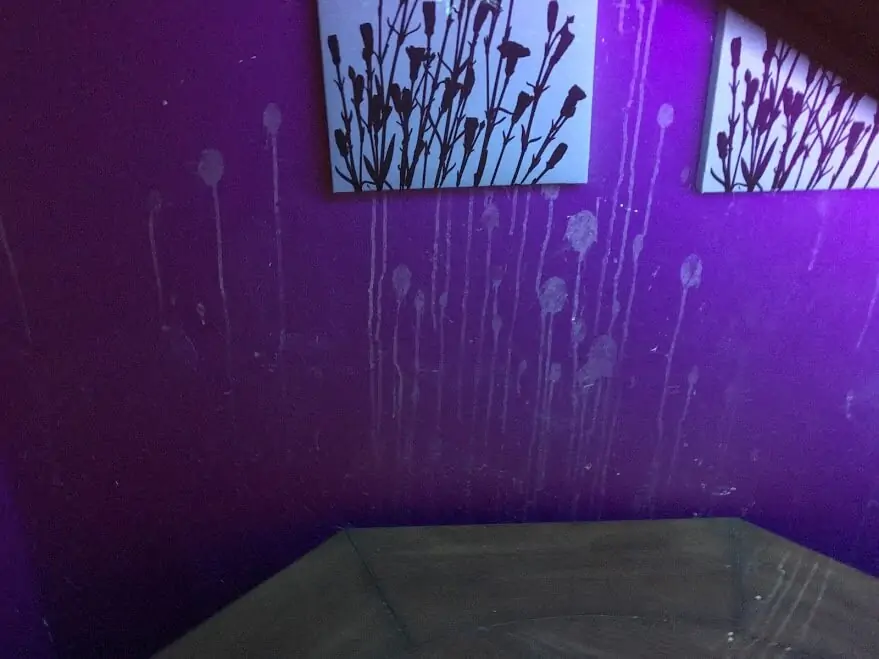
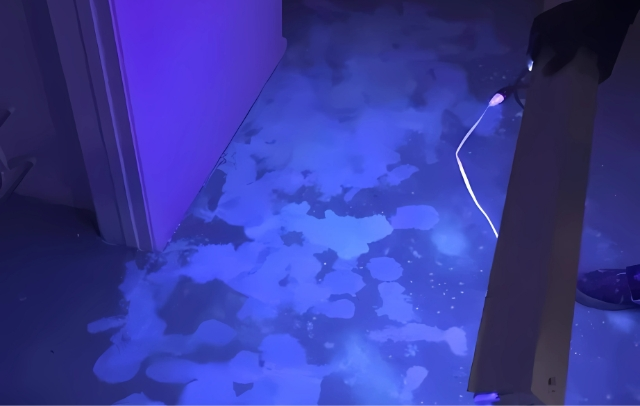
We use professional-grade UV lights with the proper wavelength to make dried urine fluoresce in the dark. This reveals contamination you can’t see in normal light especially on walls, subfloors, and concrete.
What we mark: Every spray zone, saturation area, and contamination hotspot. We use tape markers or chalk so nothing gets missed during remediation.
Clear Options (Repair vs Replacement, Partial vs Full Access)
We give you options based on budget and goals:
- Option A: Seal what you can in place (lowest cost, acceptable for rentals)
- Option B: Remove carpet, treat subfloor (mid-range, good for resale)
- Option C: Full remediation including walls and cavities (highest cost, best for severe cases)
Moisture Testing
When homeowners have been aggressively wet-cleaning with enzymes or other products, materials can stay damp for days or weeks. Damp materials off-gas more odor. We use moisture meters to check:
- Baseboards and trim
- Drywall edges (bottom 2 inches)
- Subfloors under carpet
- Concrete slabs after washing
If materials are too wet, they need to dry before sealing. Sealing over wet contamination causes coating failure.
Odor Mapping (Pattern and Intensity)
We map odor by intensity and pattern:
- Kneeling level: Strongest odor at floor level usually means subfloor contamination
- Corners and perimeters: Cat marking zones
- Closets: Litter box areas with low ventilation
- Garages: Door corners, perimeter edges, control joints
- Heat/humidity response: Odor that spikes when house warms up indicates embedded contamination
What You Get From the Inspection (Not Just a Report)
Confirmed Source Locations (Not Guesses)
We tell you exactly what’s contaminated:
- Which rooms have contamination
- Which materials are affected (subfloor, concrete, walls, baseboards)
- Where the worst hotspots are located
- What’s clean and what’s contaminated
Mapped Zones (Treat / Remove / Seal)
We don’t just say “the house smells.” We break it down by scope:
- Zone 1: Light contamination seal in place
- Zone 2: Moderate contamination remove carpet, seal subfloor
- Zone 3: Severe contamination subfloor replacement required
- Zone 4: Wall cavity involvement selective drywall removal
Severity Notes (Light vs Severe, Surface vs Structural)
We rate contamination so you understand what you’re dealing with:
- Surface-level: Can be cleaned or sealed without removal
- Embedded contamination: Requires access, drying, and sealing
- Structural damage: Material is compromised and needs replacement
Clear Options (Repair vs Replacement, Partial vs Full Access)
We give you options based on budget and goals:
- Option A: Seal what you can in place (lowest cost, acceptable for rentals)
- Option B: Remove carpet, treat subfloor (mid-range, good for resale)
- Option C: Full remediation including walls and cavities (highest cost, best for severe cases)
Itemized Estimate
We provide a detailed breakdown of costs:
- Carpet and pad removal (per room)
- Subfloor sealing or replacement (per square foot)
- Concrete sealing (per area)
- Baseboard removal and replacement
- Drywall removal and wall cavity treatment
Photos and Documentation
Depending on the type of inspection and extent of damages, we provide:
- Photos of contamination zones
- UV light images showing hidden stains
- Moisture meter readings
- Written report with findings and recommendations
You Avoid Guessing (And Wasting Money)
Without an inspection, people guess. They replace all the carpet thinking that’ll fix it. Then they discover the subfloor is contaminated. Now they’ve spent $5,000 on carpet and still have an odor problem.
Or they seal the subfloor without realizing the walls are contaminated too. The subfloor is fine, but the smell is coming from inside the wall cavity. Now they’ve wasted time and money sealing the wrong thing.
An inspection tells you exactly what to fix—and in what order.
You Don't Over-Remediate
Sometimes the problem is smaller than people think. Maybe it’s just one closet, not the whole house. Maybe it’s surface-level in the garage, not structural. An inspection prevents you from tearing out materials that don’t need to be removed.
You Don't Under-Remediate
This is the more common problem. People think they can clean it, paint it, or replace carpet and be done. But contamination is deeper than they realize. They do a partial fix, the smell comes back, and now they’re doing the job twice.
Example: Homebuyer removes carpet and installs new LVP flooring. The house still smells. Why? The subfloor was contaminated. Now the new flooring has to come up to access the subfloor. If they’d inspected first, they would have known to seal the subfloor before installing new flooring.
You Get Accurate Budgets for Negotiations
If you’re buying a house, the inspection gives you real numbers to negotiate with the seller. Instead of saying “the house smells, give me $10,000,” you can say “the inspection shows $8,500 in remediation costs for these specific rooms and materials. Here’s the report.”
Sellers are more likely to negotiate when they see documented evidence and real estimates.
NEVER Close Escrow on a House with Odor Without an Inspection
We see this all the time: Buyers close escrow, move in, and then discover the odor is severe. Now they own the problem. They have no leverage with the seller. They’re stuck with a house that needs $10,000-$30,000 in remediation.
Get the inspection BEFORE you close. While you’re still in escrow. While you still have negotiating power.
Sellers are more likely to negotiate when they see documented evidence and real estimates.
What to Look For in the Seller's Disclosure
In California, pay close attention to the Seller’s Questionnaire, specifically Section F: PETS, ANIMALS AND PESTS.
Get the inspection BEFORE you close. While you’re still in escrow. While you still have negotiating power.
Sellers are more likely to negotiate when they see documented evidence and real estimates.
The 4 Critical Questions Sellers Must Answer (Section F):
F.1 - Pets on or in the Property
If checked YES → The seller had pets. Proceed with caution.
F.2 - Problems with livestock, wildlife, insects or pests
If checked YES → History of pest issues or infestations.
F.3 - Past or present odors, urine, feces, discoloration, stains, spots or damage due to pets
THIS IS THE BIG ONE
If checked YES → The seller is officially disclosing pet damage. You have been notified.
F.4 - Past or present treatment or eradication of pests or odors, or repair of damage
If checked YES → Remediation was attempted. Ask: Was it professional? Do they have documentation? Did it work?
F.4 - Past or present treatment or eradication of pests or odors, or repair of damage
If checked YES → Remediation was attempted. Ask: Was it professional? Do they have documentation? Did it work?
What these answers mean for you:
- YES on F.1 (Pets): Not necessarily a deal-breaker, but be aware
- YES on F.3 (Odors/damage): GET AN INSPECTION IMMEDIATELY
- YES on F.4 (Treatment): Request proof of professional work and guarantees
CRITICAL: If you see YES on Question F.3, you have been officially notified of pet damage. The seller disclosed it. Now it’s YOUR responsibility to investigate before closing. Ignorance is not an excuse after you sign.
Don't Trust Fresh Paint and New Carpet
Sellers cover up odor problems with cosmetic updates all the time:
- Fresh paint on walls (doesn’t seal odor in drywall)
- New carpet (covers contaminated subfloor)
- New baseboards (hides swollen originals and wall damage)
- Air fresheners and candles during showings
The house looks great. It might even smell fine during a quick walkthrough with windows open. Then you move in, close up the house, and the odor comes back.
Inspection Gives You Options
Once you have the inspection report, you can:
- Ask the seller to fix it before closing
- Negotiate a price reduction equal to remediation costs
- Ask for a credit at closing to handle remediation yourself
- Walk away if the problem is too severe
Without an inspection, you’re negotiating blind. With an inspection, you have documentation and leverage.
Why Sellers Should Inspect Before Listing
If you know there’s an odor problem, don’t wait for the buyer’s inspection to reveal it. Here’s why:
You Avoid Failed Inspections
Buyers walk away when they discover severe odor during their inspection. Or they demand huge price reductions. Or they ask you to fix it but now you’re on a tight timeline and limited to contractors who can start immediately (who charge more).
If you inspect before listing, you know the scope. You can fix it on your timeline, get competitive bids, and list a clean property.
You Can Price the Work Into Your Listing
Some sellers choose to remediate before listing. Others choose to disclose the problem and price it accordingly. Either way, you need to know the real cost.
If remediation is $15,000, you can:
- Fix it and list at full market value
- Or disclose it and list $15,000 below market value
What you CAN’T do is list at full market value and hope the buyer doesn’t notice. That leads to failed deals.
You Fulfill Your Disclosure Obligations
If you had cats and there’s pet damage, you’re required to disclose it. But “I had cats” doesn’t tell the buyer how bad it is.
An inspection gives you specifics. You can disclose: “Cats caused contamination in master bedroom subfloor and guest room closet. Remediation estimate attached.”
This is honest, transparent, and protects you from post-sale legal issues.
Frequently Asked Questions
Read the latest property how-to guides, and information and tips for buying, selling, investing and renting.
It depends on the size of the property and severity of contamination. A typical inspection takes 1-3 hours. Larger homes or severe cases can take longer.
Yes. Depending on the type of inspection and extent of damages, we provide:
- Itemized estimate with detailed findings
- Photos documenting contamination locations
- Written report with scope of work and recommendations
Absolutely. That’s one of the main reasons buyers get inspections. The report gives you documented evidence and real costs to use in negotiations.
We give you options based on severity. You might choose partial remediation (seal what you can) or full remediation (remove and replace). The report breaks down costs for different approaches.
Yes. We inspect for all pet odors including:
- Cat urine and spray
- Dog urine
- Dog body odor (musky smell from oils and dander)
- Feces contamination
Yes. Remodeled houses are actually some of the most important to inspect. Fresh paint and new flooring can hide contamination underneath. We check for:
- Contamination under new flooring (LVP, laminate, hardwood)
- Odor in walls behind fresh paint
- Hidden damage behind new baseboards
- Slab contamination under new tile
Contact us for current pricing. Inspection fees are typically credited toward remediation if you choose to proceed with our services.
You get a detailed report with findings and recommendations. Then you decide:
- Proceed with remediation (we provide estimate)
- Use the report to negotiate with seller/buyer
- Get additional quotes from other contractors
- Walk away from the property (if you’re a buyer)
There’s no obligation to use our remediation services. The inspection gives you information to make informed decisions.
After Your Inspection - Our Remediation Services
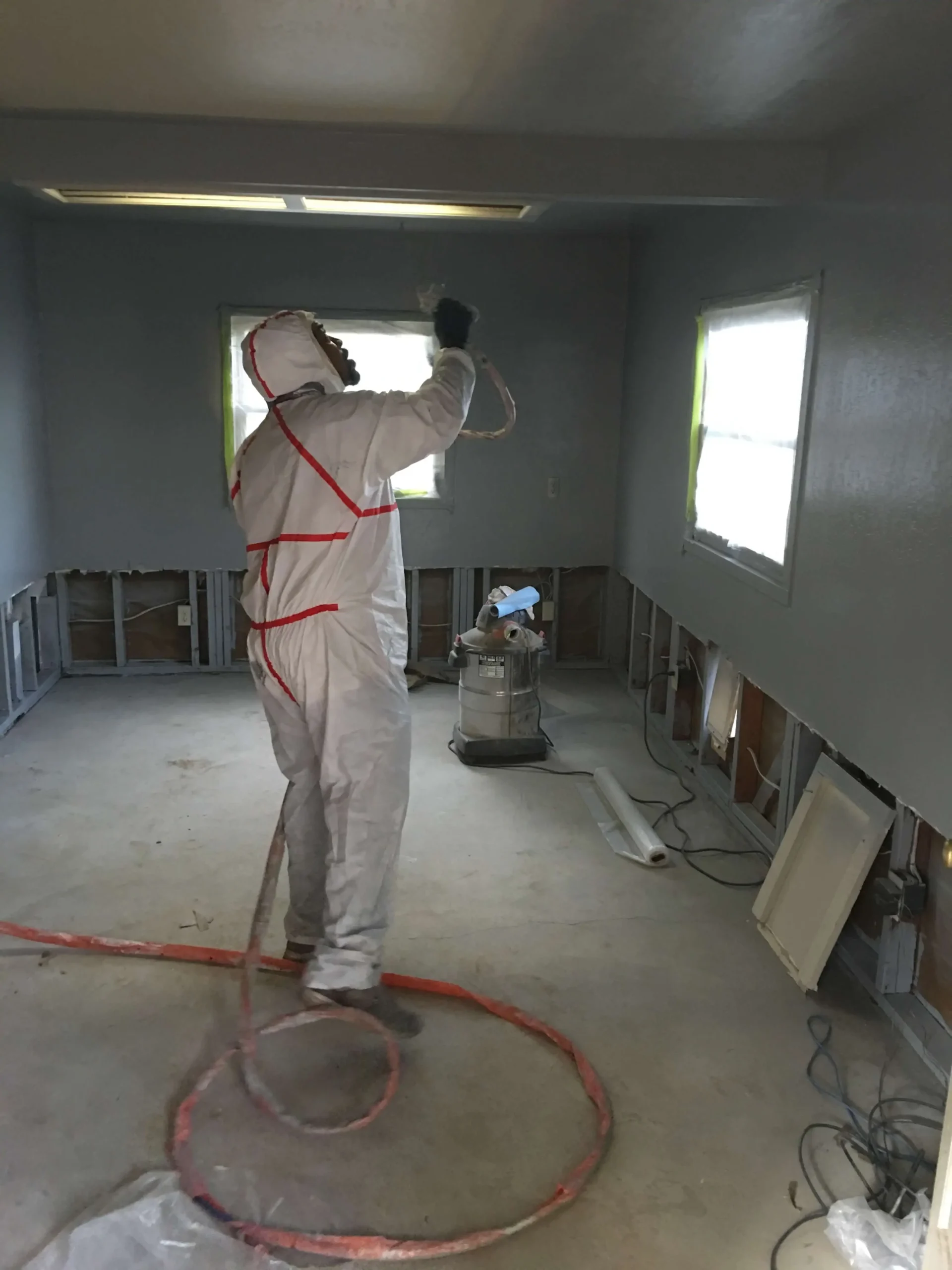
Once we identify the contamination, we can remediate it. We offer comprehensive odor removal services for all the materials we inspect:
Subfloor Odor Sealing
Plywood and OSB contamination. Seal in place or replace damaged sections. Perimeter edge treatment.
Concrete Odor Sealing
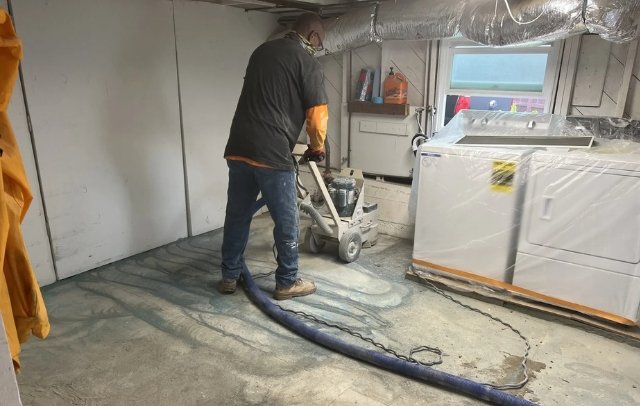
Garage slabs, basement floors, patios. Crack and joint treatment. Perimeter edge sealing.
Drywall Odor Removal
Wall spray damage. Baseboard removal. Wall cavity treatment and sealing.
Severe/Whole House
Multi-room contamination. Complete home remediation. All materials addressed.
Ready to Find Out What You're Really Dealing With?
Schedule a professional odor inspection. We’ll map the contamination, confirm the source, and give you a clear plan forward.
Our Most Requested Services
Cat Odor Removal
Dog Urine Odor Removal