If you have tried a few sprays, scrubbed the area, and the odor still returns, you are not alone. Pet urine odor is one of the most stubborn household problems because the smell is often coming from below the surface. That is why some people swear by enzyme cleaners while others say nothing worked until they hired a professional.
The truth is that both can work, but only in the right situation. This guide will help you decide when DIY enzyme treatment is enough, when it is a waste of time, and what a permanent professional fix usually involves.
Why pet urine odor is different from typical smells
Food smells and everyday odors sit on the surface and fade. Urine odor behaves differently because it can soak into layers. On carpet it can move from fibers to padding and then into subfloor. Near walls it can wick into baseboards and the lower edge of drywall. Once that happens, surface cleaning can reduce the smell temporarily but it does not eliminate the source.
Cat urine is especially notorious because it can leave behind uric acid related residues that are difficult to dissolve with normal cleaners. That is why the smell can come back after humidity, heat, or steam cleaning.
If the smell keeps returning after you clean, it is usually a depth problem, not a product problem. Our first guide explains why cat urine smell keeps coming back, and it is helpful context before you choose between enzymes and professional treatment.
What enzyme cleaners actually do
Enzyme cleaners are designed to break down organic material. When they work correctly, they can help reduce the compounds that cause the urine smell. That is why they are often recommended for fresh accidents, especially when used quickly and correctly.
But enzyme cleaners have limits. They need enough contact with the urine residues and they need time to work. If the urine is deep in padding or subfloor and the product never reaches that layer, the enzymes cannot do their job where it matters.
Another issue is drying. If you apply enzyme product and the area stays damp for too long, you can trade one odor problem for another, such as musty smell from trapped moisture. Proper drying is part of the process.
When enzyme cleaners are usually enough
DIY enzyme cleaning can be a good solution in these scenarios.
The accident is fresh and was caught quickly
The urine stayed mostly on the surface
The contaminated area is small
The odor does not return with humidity
The pet has not repeatedly used the same spot
In these cases, a careful DIY approach often works if you do the steps correctly.
Blot first rather than scrubbing
Apply enough product to reach the depth of the urine
Follow the dwell time on the label
Allow the area to fully dry
Recheck after 24 to 72 hours and again after humidity changes
If you want to be more confident before treating, use the detection process from our hidden odor guide. It helps you confirm the source area so you treat the correct spot.
When enzyme cleaners usually fail
Enzyme cleaners often fail not because they are useless, but because the situation is beyond what a surface product can fix.
Here are the most common failure scenarios.
The odor comes back after cleaning or carpet shampooing
The urine soaked into carpet padding
The subfloor absorbed urine
The pet has repeatedly marked the same area
The odor is strongest near the floor even when the surface looks clean
You removed the carpet and the odor is still there
The odor is near a wall corner or baseboard and does not match a visible stain
If any of these are true, enzyme treatment may reduce smell temporarily, but it often will not fully eliminate it. The reason is simple. The product is not reaching the depth of the contamination, or the contamination is bonded into porous building materials.
The biggest mistakes people make with enzyme cleaners
Even when the case is DIY friendly, people often use enzymes in ways that reduce results.
Using too little product
Cleaning the top but not saturating the layer where urine sits
Not giving enough dwell time
Rinsing or wiping too soon
Using multiple cleaners before enzymes and leaving residues that interfere
Applying enzymes on a surface that is still wet with other chemicals
Expecting one treatment to fix a repeated marking area
A realistic mindset helps. Enzymes can work, but they are not a magic one step spray.
What professional pet odor removal does differently
Professional odor removal is not just stronger chemicals. It is a different system.
It usually starts with accurate inspection to confirm the exact location and depth. Professionals use tools and experience to identify whether the source is in carpet, padding, subfloor, baseboards, or walls.
Then they choose the correct treatment. That may include deep extraction, subsurface application, targeted neutralization, and in deeper cases, sealing or repair of structural materials. The goal is to remove or block the source so odor cannot reactivate later.
This approach is especially valuable when you cannot afford trial and error, like when you are moving out, selling a home, or dealing with repeated accidents.
DIY vs professional decision checklist
Use this checklist to decide quickly.
DIY is reasonable when these are true.
You are dealing with a fresh or small accident
The smell does not return with humidity
The area is not near a wall corner with repeated accidents
You can confirm the spot and treat it thoroughly
You are willing to do careful drying and rechecks
Professional is the better choice when these are true.
The odor has returned multiple times
The odor increases after mopping, rain, or heat
The pet has repeatedly used the same location
You suspect padding or subfloor involvement
You already tried enzymes and the smell remains
The odor may have reached baseboards or drywall
You need a permanent result without trial and error
If you are in the second group, the fastest next step is often odor inspection and detection. It prevents wasted time and focuses the fix.
What a permanent fix looks like when the problem is deep
When urine is deep, the permanent fix depends on the affected material.
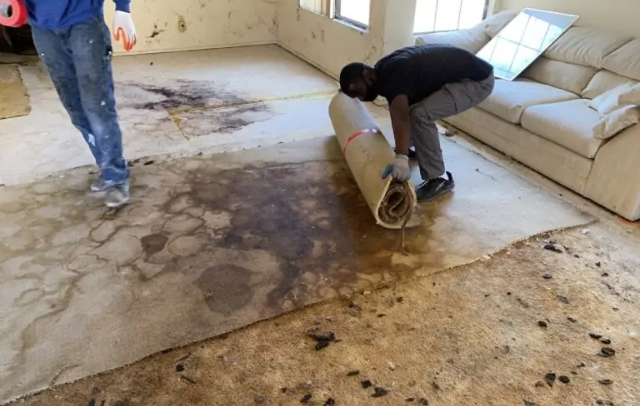
If padding is saturated, partial removal may be necessary
If subfloor absorbed urine, sealing or repair may be required
If drywall edge is contaminated, localized drywall odor removal and repair may be needed
If carpet is heavily damaged, residential carpet removal for pet odor damage may be the most practical option
A professional plan is usually built around containment. Remove what cannot be cleaned and seal what cannot be removed, then verify odor is gone.
Cost and effort comparison in real life
DIY enzymes can be lower cost up front, but repeated attempts add up. Many homeowners try multiple brands, rent machines, and spend weeks cleaning. If the source is structural, that effort may never fully solve it.
Professional service costs more initially, but it can reduce total time, prevent repeated failures, and avoid replacing the wrong materials.
The best approach is to match the method to the depth of the problem.
Cat urine vs dog urine differences that affect results
Cat urine tends to create stronger persistent odor in many homes, often because of how it bonds to surfaces and reactivates with humidity. Dog urine can also be severe, especially with repeated accidents or large volume.
The decision process is similar for both. The key variable is depth and repetition, not only which pet caused it.
If your primary issue is cat odor, a specialized cat urine odor removal service is usually more effective than general deodorizing methods. For dog accidents, dog urine odor removal may be the best targeted option.
What to do next if you want the fastest permanent result
If you suspect the smell is coming from below the surface, start with finding the hidden source areas using a step-by-step process.
Then decide whether the contamination is surface level or structural.
Surface level means DIY enzyme treatment may work
Structural involvement means you likely need professional inspection and targeted treatment, possibly including subfloor sealing or repair
The key is not choosing a product first. The key is choosing the correct method for the depth of contamination.
FAQs
Are enzyme cleaners guaranteed to remove cat urine odor?
No. They can work well on fresh surface accidents when used correctly, but they often fail when urine soaked into padding, subfloor, or wall materials.
Why does the smell come back after I use enzyme cleaner?
Most often the product did not reach the full depth of contamination, or the area got rehydrated by humidity or cleaning and released odor again.
How long should enzyme cleaner sit?
Follow the label dwell time. Many require extended contact time and complete drying. Removing too soon can reduce effectiveness.
Should I steam clean after using enzyme cleaner?
Steam and excess moisture can reactivate odor if residues remain. It is usually better to confirm odor is gone first, and avoid adding unnecessary water unless the process is designed for it.
When should I hire a professional?
When odor keeps returning, when you suspect padding or subfloor involvement, or when you need a guaranteed permanent result.