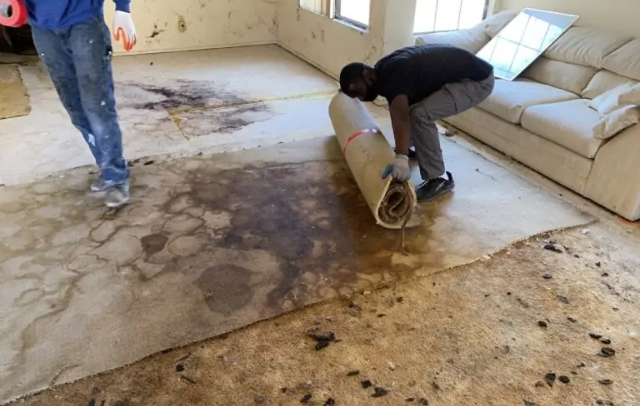
Drywall Odor Removal (When Cat Urine Smell is in the Walls)
The walls still smell like cat urine. You’ve wiped them down with enzyme cleaner. You’ve painted over the spray zones with Kilz or shellac primer. Maybe you even had the whole house repainted. The odor went away for a few days… then came back.
Or maybe you just bought the house. It looked great—fresh paint everywhere. Then you moved in, closed up the house, and realized the smell is coming from the walls. Especially the lower sections, corners, and anywhere near old litter box areas.
If you’re reading this, you already know that wiping and painting doesn’t fix it. You’re looking for someone who understands cat urine contamination in drywall—and knows how to actually remove it.
.
Drywall Odor Removal (When Cat Urine Smell is in the Walls)
The walls still smell like cat urine. You’ve wiped them down with enzyme cleaner. You’ve painted over the spray zones with Kilz or shellac primer. Maybe you even had the whole house repainted. The odor went away for a few days… then came back.
Or maybe you just bought the house. It looked great—fresh paint everywhere. Then you moved in, closed up the house, and realized the smell is coming from the walls. Especially the lower sections, corners, and anywhere near old litter box areas.
If you’re reading this, you already know that wiping and painting doesn’t fix it. You’re looking for someone who understands cat urine contamination in drywall—and knows how to actually remove it.
Why Drywall Holds Cat Urine Odor (And Why Paint Doesn't Seal It)
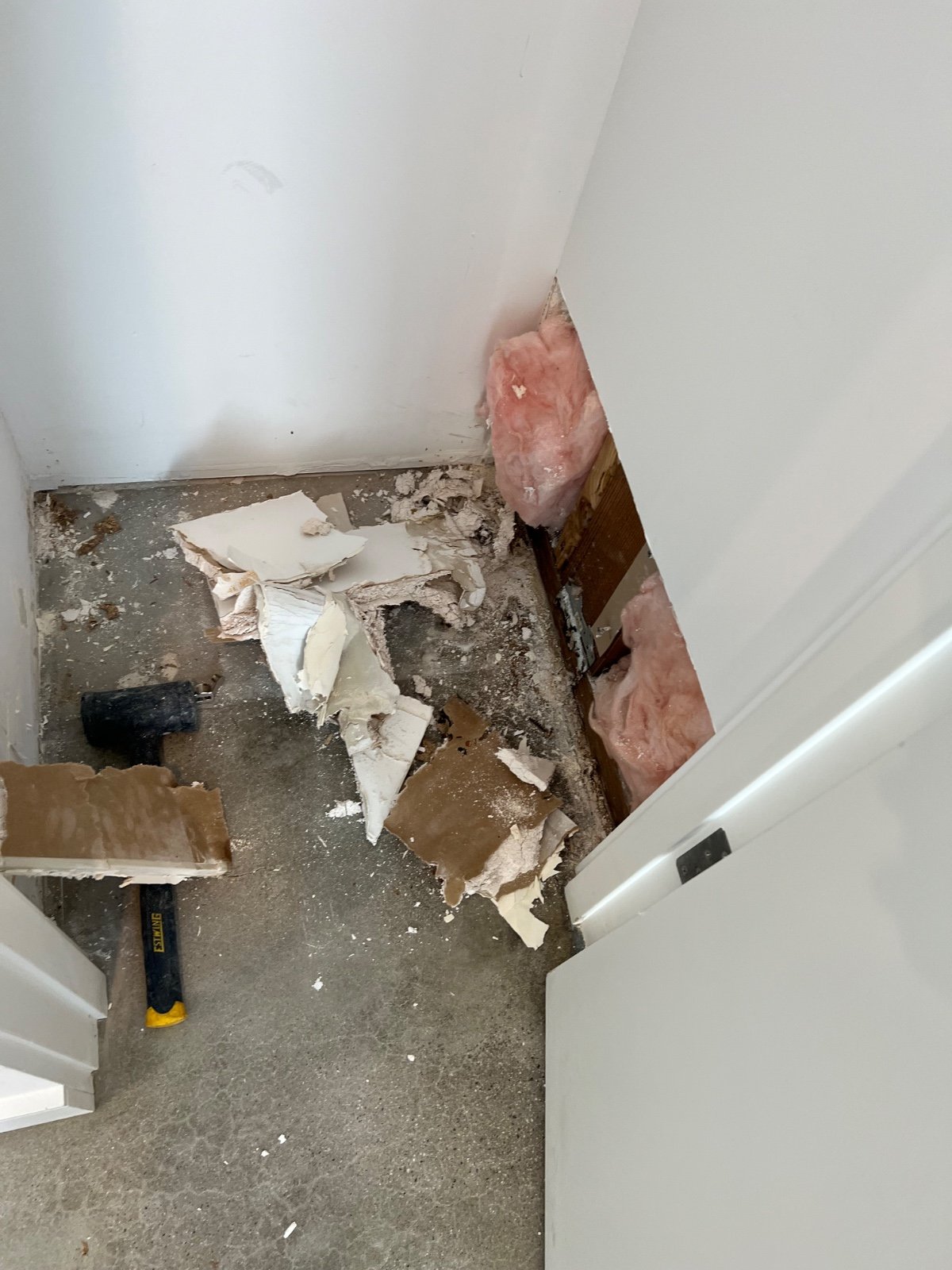
The surface of drywall is literally paper. When cat urine (or cat spray) hits a wall, it doesn’t just sit on the paint. It soaks into the paper facing. And once it’s in the paper, wiping the surface doesn’t remove it.
But it gets worse. When people try to “clean” cat spray on walls, they often make the problem bigger:
- Repeated wet wiping drives moisture deeper into the drywall paper and behind baseboards
- The wash bucket becomes contaminated—you rinse your rag in the same bucket you’re using to clean, so you’re just spreading diluted urine around
- Cross-contamination happens—walls that weren’t originally sprayed get contaminated from the dirty rag or bucket
- Moisture wicks into the drywall edge and down into the baseboard, sill plate, and sometimes into the wall cavity
The result? You’ve just spread the problem to more walls. And now the contamination is deeper than it was before.
The Most Common Searches We See (And
What They Really Mean)
Cat urine smell in walls won't go away
I’ve wiped the walls and even repainted. The smell is still there, especially in corners and lower sections.
Cat pee smell in drywall after painting
I painted over the spray zones. The smell came back when the house heated up or humidity changed.
Bought a house with fresh paint that smells like cat urine
The seller covered it up. I didn’t smell it during the walkthrough, but now I’m living with it.
House smells like air freshener and cat pee
The seller was using candles and plug-ins to mask the odor. Now that I’ve moved in, I smell what they were hiding.
Odor in wall cavity cat urine
The smell seems to be coming from inside the wall, not just the surface.
Professional drywall odor removal service
I need someone who can actually fix this, not just paint over it again.
Failed odor remediation what to do next
I already tried sealing with Kilz or hired someone who failed. The smell is still here.
Cat sprayed walls and baseboards
The baseboards look swollen and the lower drywall smells. I am not sure what needs to be removed or sealed.
Where Cat Spray and Urine Damage Walls
Cats don’t spray randomly. They have patterns:
1. Lower 12-18 Inches of Walls
Most cat spray happens around knee height or below typically 12-18 inches from the floor. Cats back up to a wall, lift their tail, and spray. This is the most common zone we see.
Higher spray zones: When cats climb on furniture (back of a sofa, chairs, cat trees), the spray can go higher sometimes 3-4 feet up the wall. We’ve even seen spray running down from 7-foot cat trees. In one case, we found cat urine dripping down from a second-floor hallway where the cat was spraying the balusters and hitting the nearby wall.
2. Corners (Vertical and Horizontal)
These are common litter box locations. Even when the box is kept clean, cats sometimes miss, spray the wall behind the box, or mark the doorway. Over time, this creates concentrated contamination in small, poorly ventilated spaces.
3. Closets and Laundry Rooms
Cats mark corners. It’s territorial behavior. The worst contamination is usually where two walls meet, or where a wall meets a door frame or closet.
4. Behind Furniture
Cats hide to spray. Behind couches, beds, dressers, and shelving. Homeowners don’t discover it until they move the furniture sometimes years later.
5. High Spray Zones from Cat Trees and Climbing
Depending on how tall the cat trees or shelving are, spray can be much higher than people expect. We’ve documented spray at 7 feet from tall cat trees, and contamination running down walls from upper-level climbing areas.
Why Fresh Paint Hides the Problem
This is the scenario we see constantly with home buyers:
The seller knows there’s a cat odor problem. They hire a painter to cover it up. The painter uses Kilz, shellac primer, or some other “odor-blocking” paint. The house looks great. Fresh, clean walls. No visible stains.
The buyer does a walkthrough on a cool day with the windows open. No smell. They close escrow.
Then they move in. They close up the house. The HVAC runs. It gets warm. And suddenly the whole house smells like cat urine.
What happened?
The paint sealed the surface stains. But it didn’t remove the contamination in the drywall paper, behind the baseboards, or in the wall cavity. When the house heats up or humidity rises, the contamination starts off-gassing through the paint.
Paint is not odor remediation. It’s cosmetic cover-up. And it only works temporarily—if at all.
Areas We Serve
We proudly serve all of California, including:
We also serve Arizona, Nevada, and other nearby states by special request.
Get rid of pet urine odor the right way! OdorXpert ™ Pet Odor Removal Service
OdorXpert ™ removes stubborn pet urine odors using advanced tools and proven methods, ensuring your home is clean, fresh, and ready to live in or sell. Contact us today.
Trustindex verifies that the original source of the review is Google. Jody came over to give his expert investigation and assessment of the situation. I appreciated his timely response and expertise in this area.Posted onTrustindex verifies that the original source of the review is Google. Jody and his team were amazing! They went above and beyond to eliminate years of cigar smoke damage in our clients loft- highly recommend!Posted onTrustindex verifies that the original source of the review is Google. In freaking credible! Great crew. Expertise in every problem. Living room has never looked better. SMELL ANNIHILATED!Posted onTrustindex verifies that the original source of the review is Google. PORS is hands down the best pet odor remediation service. We had tried various clean up and remediation services and to no avail nothing worked. The issue needed a real pro. The PORS team was fast to coordinate a thorough inspection and they delivered on their promise of 100% remediation. 10/10 would recommend.Posted onTrustindex verifies that the original source of the review is Google. Recently was overwhelmed with the smell of pet urine all over my moms lovely home. I could not even bear to visit her any longer. We decided to address the issue ASAP and luckily found Jody and Pet Odor Removal Service on line. They were super responsive, a pleasure to work with and did a fantastic job moving everything out of the house addressing all problem areas, redoing the floors, then efficiently putting everything back in its place minus that god awful smell. In just a few days the home was fabulous with no smell thanks to Jody and team. I highly recommend them !Posted onTrustindex verifies that the original source of the review is Google. I recently used Pet Odor Removal Service to address a persistent cat urine issue in our newly purchased house, and I couldn't be more pleased with the results! From start to finish, the experience was exceptional. Jody, the owner, was incredibly professional and attentive. He took the time to explain the entire process and answered all my questions thoroughly. His expertise and dedication to customer satisfaction were evident from our first interaction. The team of employees was also fantastic. They arrived on time, were courteous, and worked efficiently. Their attention to detail was impressive, ensuring that every trace of cat urine odor was eliminated. They not only remediated the issue but also put everything back together as it was before. What truly stood out was their dedication. Despite the long drive, Jody and his team made multiple trips to ensure the issue was completely resolved. Their commitment to making things right was evident in every aspect of their service. Customer service was top-notch. Jody and his team went above and beyond to ensure I was satisfied with the service. They were friendly, approachable, and genuinely cared about delivering excellent results. I highly recommend Pet Odor Removal Service to anyone struggling with pet odors. Their professionalism, effectiveness, and outstanding customer service make them the best choice for odor removal needs. Thank you, Jody and team, for your excellent work!Posted onTrustindex verifies that the original source of the review is Google. I highly recommend. The workers are knowledgeable and professional.Posted onTrustindex verifies that the original source of the review is Google. We hired Jody and Pet Odor Removal Service (PORS) to address a house with terrible cat urine odor and feces damage throughout the house. PORS provided us a thorough inspection report beforehand which provided us with a clear understanding of the problem and a roadmap on how they would address it. In the end, they successfully rid the home of the odor and we could not be more pleased with the results. Additionally PORS was asked to clean out another hoarder home and completed that task in short order and as promised. We could not be more pleased with this very professional service and will recommend them at every opportunity.Posted onTrustindex verifies that the original source of the review is Google. Jody and his team transformed my garage. I give them a 20/10 and highly recommend them to anyone!
CRITICAL: If You're Buying a House with Odor READ THIS
NEVER Close Escrow Until You Get It Inspected
Rule #1: Never let anyone tell you it’s an “easy fix.” If there’s odor, there’s contamination. And contamination doesn’t go away with a quick cleaning or fresh coat of paint.
Rule #2: In California, pay close attention to the Seller’s Questionnaire, specifically the PETS, ANIMALS AND PESTS section. If the seller states there IS or HAS BEEN pet damage, you have been officially notified. It’s now up to you to do your due diligence ask questions, get an inspection, and understand what you’re buying.
The difference between known and unknown pet damage:
- Known pet damage: The seller disclosed it. You know what you’re getting into. You can negotiate repairs or price reductions before closing.
- Unknown pet damage: The seller didn’t disclose it (or covered it up). You discover it after closing. Now you own the problem.
Both situations require inspection. We inspect homes with disclosed damage AND homes with suspected hidden damage. We treat both. We can get the odor out. But we must inspect the house first to find the full extent of the damage.
Real Example: The Flipped House That Looked Perfect
We had a buyer who purchased a newly remodeled home. Fresh paint, new flooring, updated trimeverything looked great. No smell during the walkthrough.
After closing, the odor came back. We had to take the newly remodeled home down to the studs to remediate it properly. The buyer later found out from a neighbor that the previous owner had been feeding all the cats in the neighborhood. The house had been severely contaminated, flipped cosmetically, and sold without proper remediation.
The lesson: Fresh paint and new flooring can hide evidence. Get an inspection before you close escrow especially if you see “PETS” checked on the disclosure.
The Dirty Bucket Problem
You spray enzyme cleaner on the wall. You wipe it with a rag. You rinse the rag in a bucket of water or cleaning solution. You wipe another section of wall. You rinse the rag again in the same bucket.
What you don’t realize: After the first few wipes, that bucket is no longer clean water. It’s contaminated water. You’re essentially wiping diluted cat urine onto walls that weren’t originally contaminated.
By the time you finish “cleaning” the room, you’ve spread low-level contamination to every wall you touched.
The Wet Rag Problem
Even if you change the water frequently, repeated wet wiping drives moisture into drywall paper. Drywall is porous. When you over-wet it, moisture wicks into the paper facing, behind the baseboards, and down into the sill plate.
Now you’ve got damp drywall. And damp drywall with cat urine contamination off-gasses aggressively.
The Right Approach
If you haven’t cleaned yet: Don’t start soaking the walls. Get an inspection first so you know exactly what’s contaminated and what’s not. Then you can treat the actual problem areas without spreading contamination to clean walls.
If you’ve already cleaned and the smell is worse: You probably spread it. Now you need a professional inspection to map the full extent of what’s contaminated and what needs to be addressed.
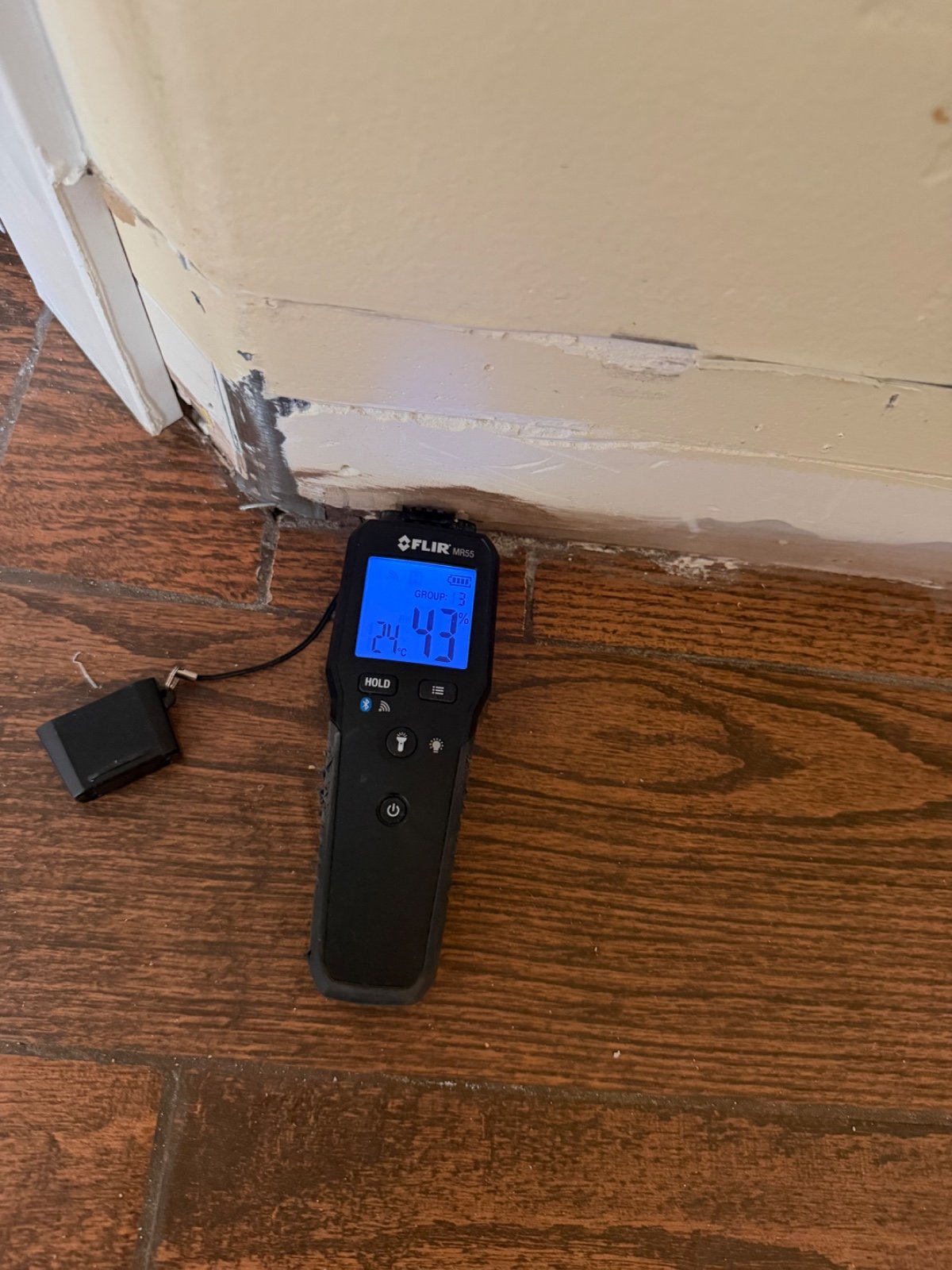
Swollen Baseboards = Wet Drywall (And Bigger Problems)
If your baseboards are swollen, that’s not just a baseboard problem. It’s a moisture problem.
What Swollen Baseboards Tell You
Baseboards are usually made of MDF (medium-density fiberboard) or finger-jointed pine. These materials absorb moisture like a sponge. If the baseboard is swollen, it means it’s been saturated with liquid—either from cat spray/urine or from repeated wet cleaning attempts.
Here’s the critical part: If the baseboard is wet, the drywall behind it is also wet. And if the drywall is wet, the sill plate (the horizontal wood framing at the bottom of the wall) is probably wet too. And if the sill plate is wet, there’s a good chance moisture has wicked up into the wall cavity and contaminated the insulation.
What Happens Inside a Wet Wall
When insulation gets wet with cat urine, it holds that contamination. The entire wall cavity starts to smell. You can paint the outside of the drywall all you wantthe smell is coming from inside the wall where you can’t reach it.
This is why swollen baseboards are a red flag. They indicate that the problem is structural, not surface-level.
Can Swollen Baseboards Be Saved?
Usually, no. Swollen MDF or finger-jointed trim doesn’t return to its original shape. But more importantly, swollen baseboards need to be removed so we can inspect and treat what’s behind themthe drywall edge, the sill plate, and the wall cavity.
Replacing the baseboard is the easy part. Fixing the contamination behind it is the real work.
.
Our Gallery
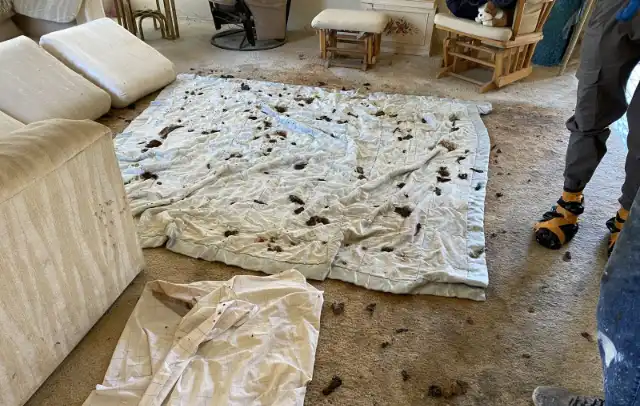
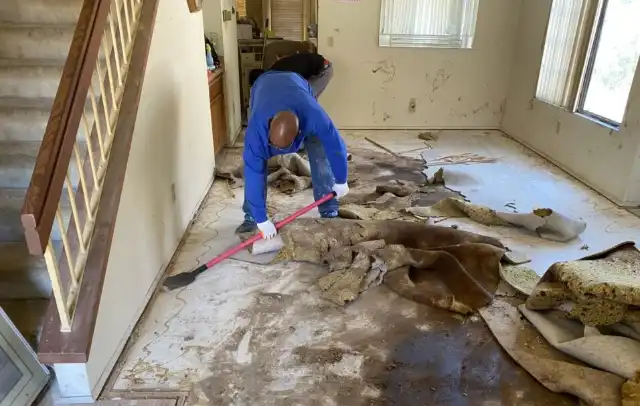
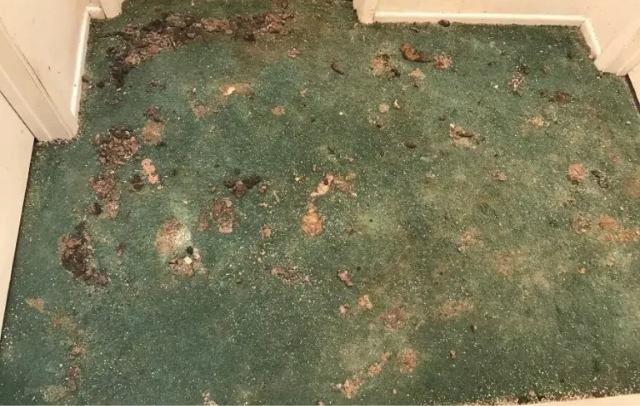
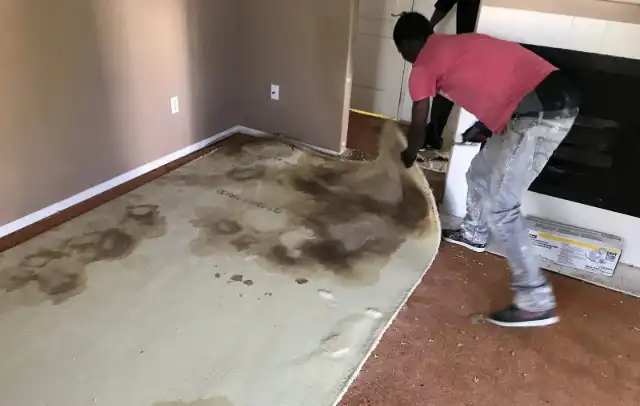
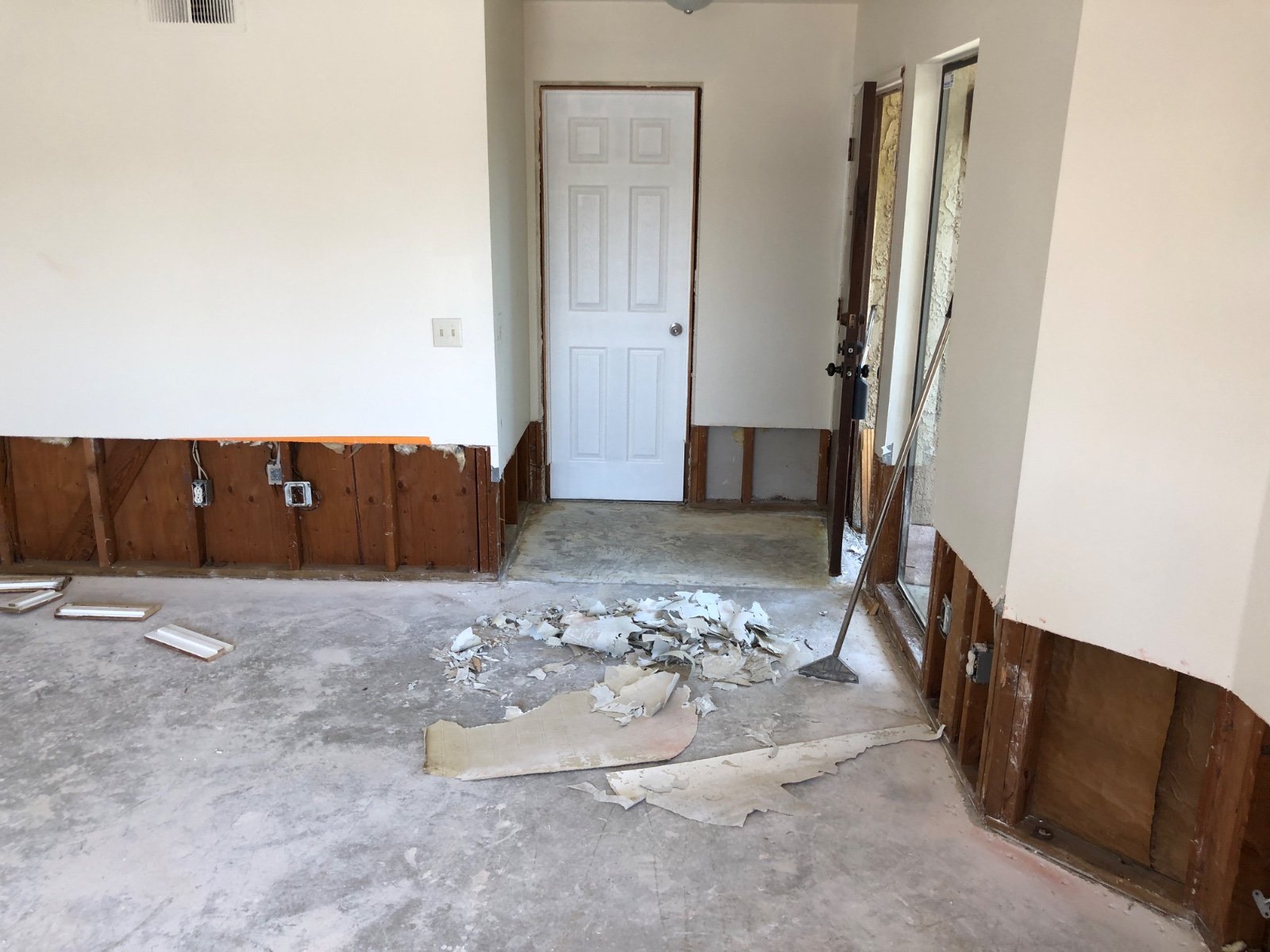
What's Inside a Contaminated Wall Cavity
- Sill plate / bottom plate: The horizontal wood framing at the base of the wall. Absorbs urine like a sponge.
- Wall studs: Vertical wood framing. Usually the lower 1-2 feet are contaminated if the problem is severe.
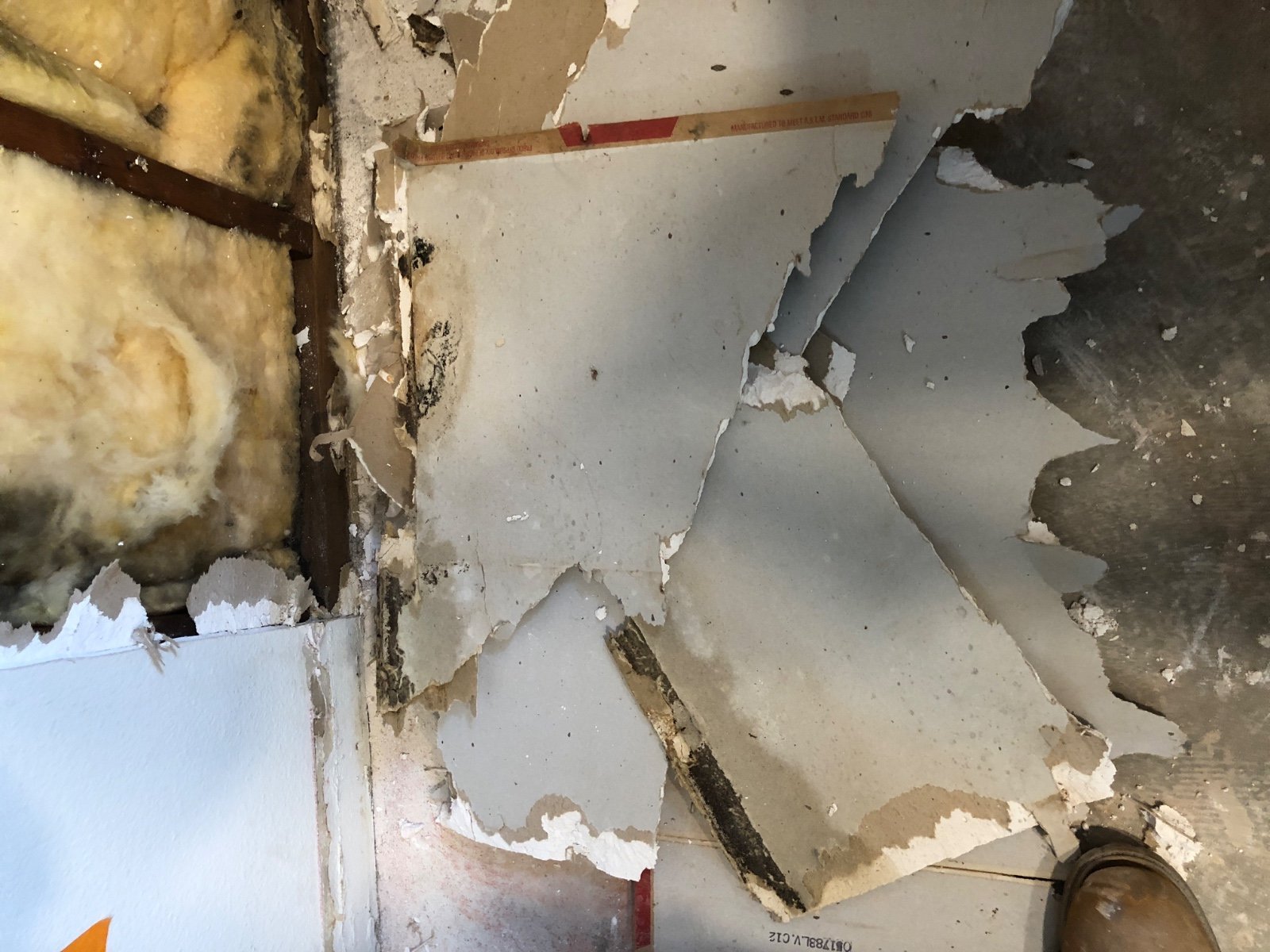
- Insulation: Fiberglass or cellulose insulation holds moisture and odor. Once contaminated, it’s nearly impossible to clean—it needs to be removed.
Backside of drywall: The paper facing on the inside of the wall can absorb contamination too.
How We Know It's in the Cavity
Signs that odor is inside the wall:
- Odor persists after surface cleaning and repainting
- Odor is concentrated at corners and perimeter walls
- Swollen baseboards or soft drywall at the bottom edge
- Smell gets worse when HVAC runs or house heats up
- Previous owner did extensive remodeling but smell remains
The Fix
Surface cleaning can’t touch odor inside a wall cavity. We have to open the wall, remove contaminated insulation, dry and seal the framing (sill plate and studs), replace the drywall, and rebuild.
It’s not a quick fix. But it’s the only permanent fix when contamination is inside the wall assembly.
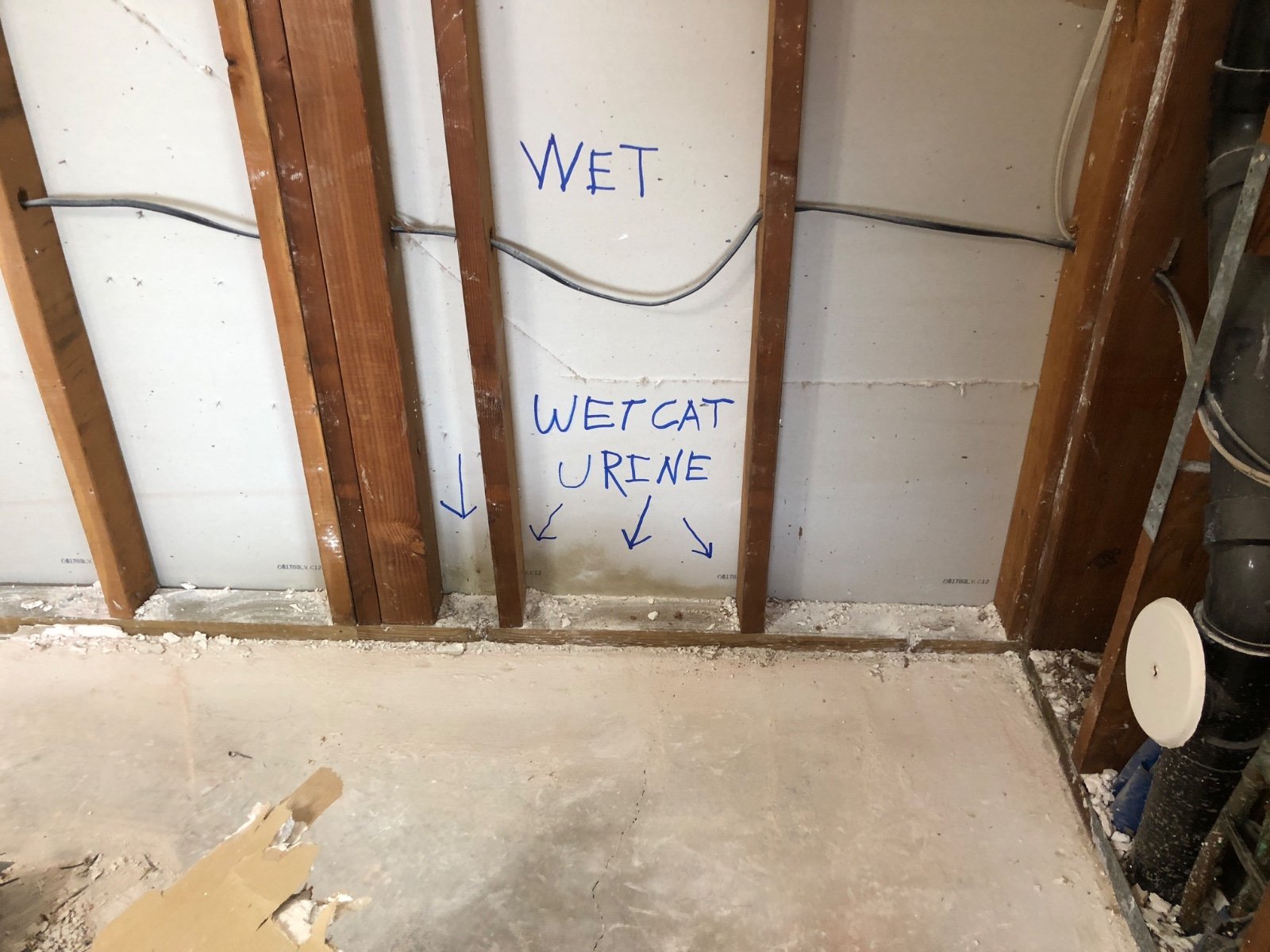
What We DO:
- Odor remediation: Inspect, confirm, access, dry, seal contaminated materials
- Remove contaminated drywall when necessary to access the source
- Seal wall framing (sill plates, studs) with odor encapsulator
- Remove contaminated insulation
- Dry wet materials using moisture meters and proper equipment
- Prepare walls for rebuilding (ready for your contractor to finish)
What We Do
We perform a pet odor inspection to find the full extent of the contamination. Then we tell you exactly what needs to be done to get you back to an odor-free condition.
Sometimes that means opening walls we hoped we wouldn’t have to open. Sometimes it means removing more drywall than we thought. But we’d rather give you the truth upfront than have you spend money on another failed attempt.
Step 1: Inspection and Mapping
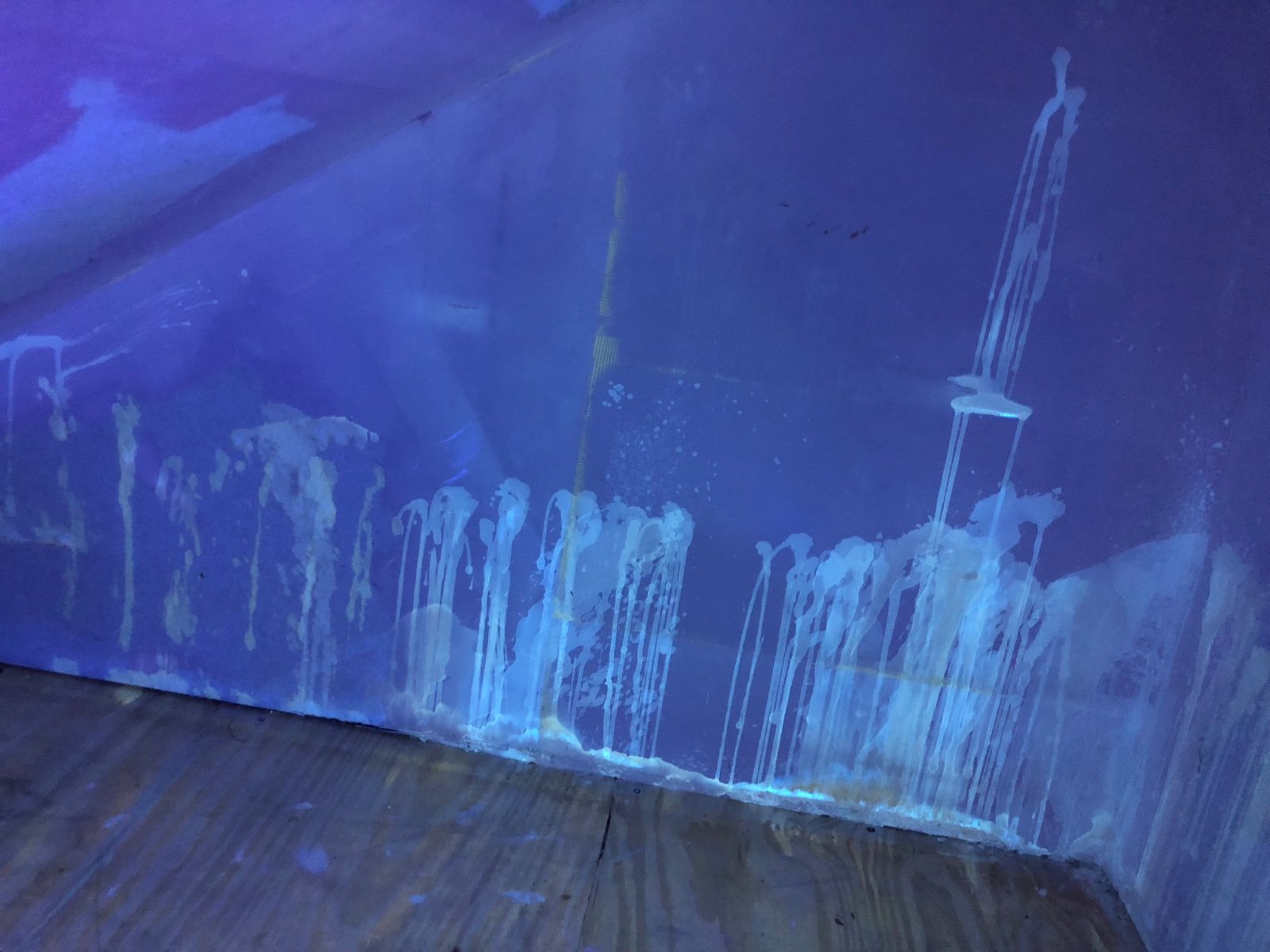
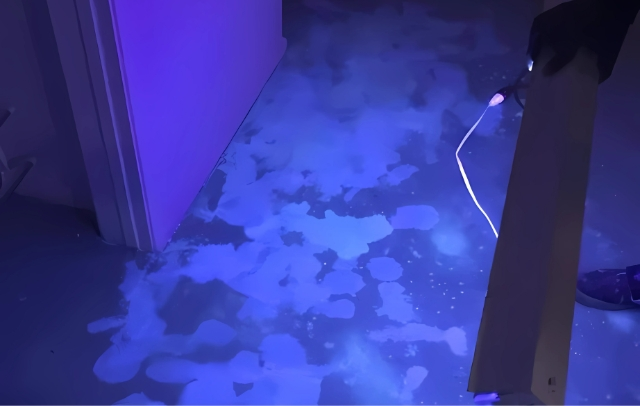
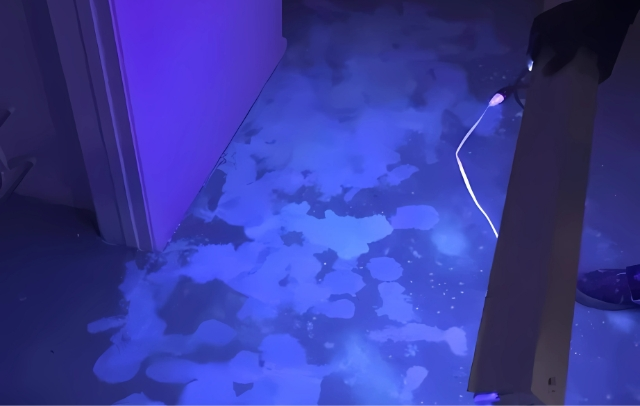
We use UV light inspection (proper wavelength equipment in the dark) to identify and mark all spray zones. This includes walls you can see and areas behind furniture, in closets, and around door frames. We also check for moisture in baseboards and drywall edges using moisture meters.
Our pet odor inspections are thorough. We provide:
- Itemized estimate with detailed findings
- Photos documenting contamination locations
- Written report (depending on the type of inspection and extent of damages)
- Clear explanation of what’s contaminated and what’s not
What we address in inspections:
- Cat urine odor (walls, floors, subfloors, concrete)
- Dog body odor (walls, insulation, carpets)
- Cat spray on walls and inside wall cavities
- Odors that have been covered up with paint or new flooring
- Failed odor remediation attempts (previous sealing, cleaning)
- Intentionally hidden odors (flips, cosmetic remodels)
- Candles, air fresheners, and fragrances used to mask odors by sellers and realtors
We inspect both disclosed pet damage AND suspected hidden damage. Whether you’re a buyer, seller, investor, or homeowner—we find the truth about what’s contaminated so you can make informed decisions.
Step 2: Access the Source Layer
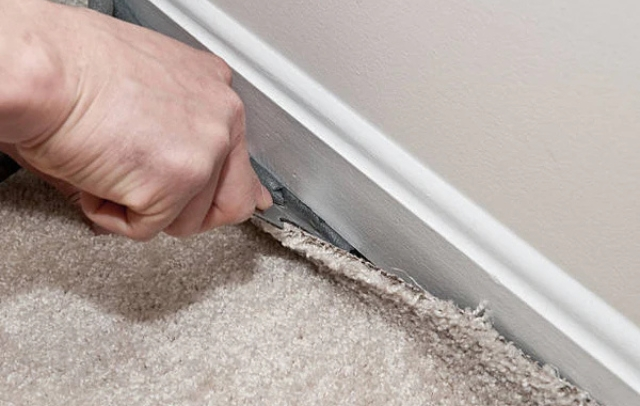
We remove baseboards to expose the drywall edge and check for wicking. If contamination has penetrated into the wall cavity, we do selective drywall removal to access the sill plate, studs, and insulation.
Step 3: Dry Out Wet Materials
If the drywall, sill plate, or studs are damp from urine or cleaning attempts, we dry them using fans, dehumidifiers, and moisture meters. We do NOT add more cleaning products. Drying is key.
Step 4: Remove Contaminated Materials
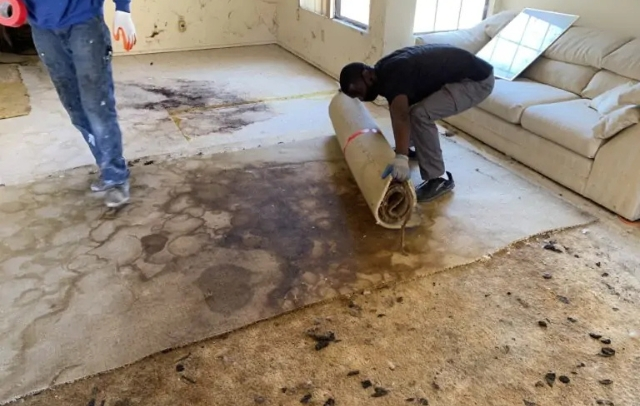
Wet insulation that smells like urine gets removed. Contaminated drywall sections get cut out. Swollen baseboards are discarded. We don’t try to “save” materials that can’t be salvaged.
Step 5: Seal the Framing
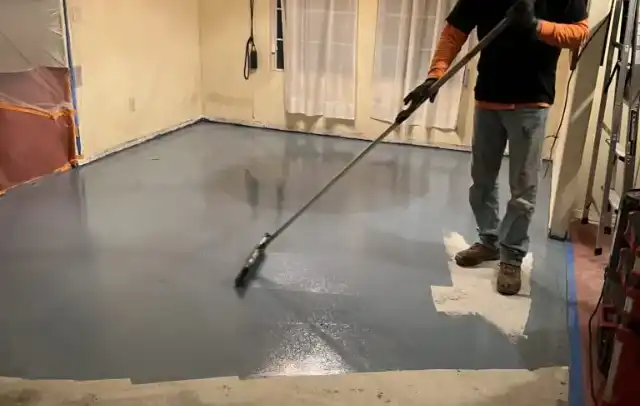
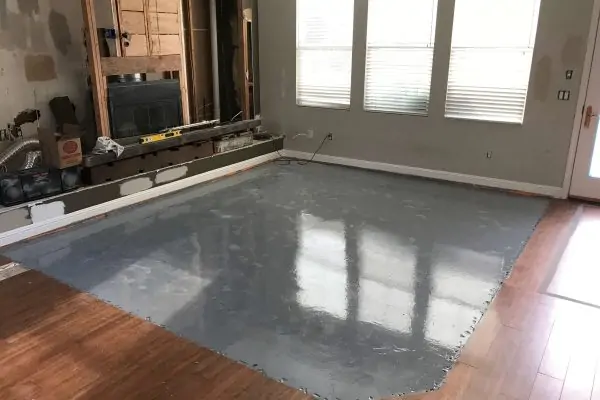
Once everything is dry, we seal the sill plate and wall studs with our odor encapsulator system. This prevents any remaining odor in the wood framing from off-gassing back into the wall cavity.
Step 6: Ready for Rebuild
We verify the odor is gone before closing up the walls. At this point, your contractor can install new drywall, tape, texture, paint, and trim. The odor won’t come back because the source has been eliminated.
What We DON'T DO:
- Drywall installation: We remove contaminated drywall and prep the framing, but we don’t hang new drywall
- Painting: We don’t finish walls with paint or texture
- Baseboard installation: We remove contaminated baseboards, but we don’t install trim
Why We Don't Do Finish Work
We specialize in odor remediation—finding and eliminating contamination at the source. Once the odor is gone and the framing is sealed, your contractor can come in and finish the walls properly. We handle the problem no one else wants to touch. They handle the cosmetic finish.
How This Happens
Shared walls between condo units aren’t always airtight. There are gaps around electrical outlets, light switches, HVAC vents, plumbing penetrations, and wall seams. If the neighbor’s unit has severe cat urine contamination, odor molecules can migrate through these gaps into your unit.
The Solutions (In Order of Preference)
Option 1: Treat the Neighbor’s Unit
If the neighbor is cooperative, we can remediate their side of the wall. This is the best solution because it addresses the actual source.
Option 2: Seal Your Side of the Shared Wall
If the neighbor won’t cooperate, we can seal gaps and penetrations on your side. This includes sealing around outlets, switches, vents, and any other openings in the shared wall.
Option 3: Install a Vapor Barrier (Extreme Cases)
In one case, we had a completely uncooperative neighbor who refused to do anything. The odor migration was so severe that we had to install a vapor barrier between the two units. This involved opening the wall on the client’s side, installing a barrier membrane, and rebuilding.
This is extreme, expensive, and not ideal—but sometimes it’s the only option when you can’t access the source on the other side.
Our Recommendation
If you suspect odor is coming from a shared wall, start with an inspection. We can confirm whether the odor is originating in your unit or migrating from next door. Then we can recommend the most cost-effective solution.
What Dog Body Odor Smells Like
It’s not urine. It’s a musky, funky, oily smell. Some people describe it as “dirty dog” or “wet dog” smell—but it lingers even when the dog is gone and the house is clean.
How It Gets on Walls
Dogs rub against walls. Their fur carries oils, dander, and body odor. Over time (especially in homes with multiple dogs or large breeds), this oil transfers to the lower sections of walls, door frames, and anywhere the dog makes contact.
In severe cases, the odor can even get into insulation just like cat urine.
The Fix
If the walls are dry and the contamination is surface-level, we can seal the drywall with odor encapsulator. But if the drywall is damp or the contamination has penetrated into the wall cavity, we treat it the same way we treat cat urine damage: remove the contaminated drywall, check the framing and insulation, dry and seal as needed.
Why Sealing Failed
Usually one of these reasons:
- The drywall was still damp when it was sealed – Moisture trapped under a sealer keeps the odor active and prevents proper bonding
- The contamination is too severe – Surface sealers can’t handle heavy urine saturation
- The source is behind the drywall – You sealed the surface, but the odor is coming from the sill plate, studs, or insulation inside the wall
Not all contaminated areas were sealed – You missed the baseboards, door jambs, or closet walls
Our 5-Year Guarantee (What Separates Us from Painters and Cleaning Companies)
Ask a painter: “What happens if the smell comes back after you paint?”
Most will say something like “call us and we’ll come back” or “it should be fine.” No guarantee. No accountability.
We’re different.
When we remediate drywall contamination using our odor encapsulator sealing system, we back it with a 5-year guarantee. If we inspect, confirm, access, dry, and seal according to our standards, and the odor comes back, we’ll make it right.
Why can we offer that? Because we’re treating the source not just painting over stains. We’re removing contaminated materials, drying wet framing, and sealing the structure so odor can’t off-gas.
That’s the difference between cosmetic cover-up and professional remediation.
We Do Not Do Drywall Installation or Painting
We specialize in odor remediation only. We remove contaminated drywall, seal the framing, and prepare walls for rebuilding but we don’t hang new drywall, tape, texture, or paint.
Once the odor is gone and the structure is sealed, your contractor can finish the walls. We handle the problem no one else wants to deal with. They handle the cosmetics.
Ready to Actually Fix the Drywall Odor Problem?
Call us or use the contact form to schedule an inspection. We’ll map the contamination, confirm what needs to be done, and give you a clear path to permanent odor elimination.
Frequently Asked Questions
Read the latest property howto guides, and information and tips for buying, selling, investing and renting.
Sometimes if the contamination is surface-level and the drywall is completely dry. We can seal the surface with odor encapsulator. But if urine has wicked into the drywall paper, behind baseboards, or into the wall cavity, replacement or selective removal is usually necessary to access the real source.
Because paint seals the surface, not the contamination inside the drywall paper or behind the wall. When the house heats up or humidity rises, the contamination off-gasses through the paint. Paint is a cosmetic cover-up, not odor remediation.
Only if you also address what’s behind it. If the sill plate, studs, or insulation are contaminated, removing the drywall exposes the problem—but you still need to dry, clean, and seal the framing. Just replacing drywall without treating the wood structure won’t fix severe odor.
Usually not. Swollen MDF or finger-jointed trim absorbs moisture and doesn’t return to shape. More importantly, swollen baseboards indicate that the drywall and sill plate behind them are also wet and contaminated. The baseboards need to be removed so we can treat what’s behind them.
No. We specialize in odor remediation—removing contamination and sealing the source. Once the odor is eliminated and the framing is sealed, your contractor can install new drywall and finish the walls. We don’t do finish work because we focus exclusively on permanent odor removal.
We can inspect and confirm whether odor is originating in your unit or migrating through shared walls. If it’s coming from next door, the best solution is to treat the neighbor’s side. If that’s not possible, we can seal gaps and penetrations on your side, or in extreme cases, install a vapor barrier between the units.
It depends on how much drywall is contaminated, whether the wall cavities are involved, and what other materials need treatment. A single wall with surface contamination is straightforward. Multiple rooms with wall cavity involvement is a bigger project. We provide estimates after inspection.
Yes. We offer a 5-year guarantee when we use our odor encapsulator sealing system. If we inspect, access, dry, and seal according to our standards, and the odor comes back, we’ll make it right.
Our Most Requested Services
Cat Odor Removal Service
Dog Urine Odor Removal