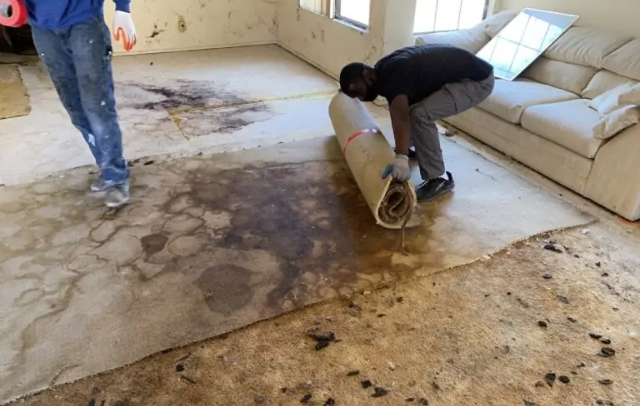
Whole House Smells Like Cat Urine?
Your entire house smells like cat urine. Not just one room multiple rooms, hallways, maybe even the garage. You’ve cleaned everything you can think of. You’ve replaced carpet. You’ve scrubbed walls. You’ve run air purifiers for months. The smell keeps coming back.
Or maybe you just bought the house. It looked great during the walkthrough fresh paint, new flooring. Then you moved in and realized the smell is everywhere. Now you’re wondering what you’ve gotten yourself into.
If you’re reading this, you’re not looking for another bottle of enzyme cleaner. You’re looking for someone who understands severe cat urine odor the kind that’s embedded in building materials, not sitting on the surface. The kind that requires professional remediation, not “more cleaning.”
.
Whole House Smells Like Cat Urine?
Your entire house smells like cat urine. Not just one room—multiple rooms, hallways, maybe even the garage. You’ve cleaned everything you can think of. You’ve replaced carpet. You’ve scrubbed walls. You’ve run air purifiers for months. The smell keeps coming back.
Or maybe you just bought the house. It looked great during the walkthrough—fresh paint, new flooring. Then you moved in and realized the smell is everywhere. Now you’re wondering what you’ve gotten yourself into.
If you’re reading this, you’re not looking for another bottle of enzyme cleaner. You’re looking for someone who understands severe cat urine odor—the kind that’s embedded in building materials, not sitting on the surface. The kind that requires professional remediation, not “more cleaning.”
How Do You Know If It's "Severe"?
Not all cat urine problems are the same. A single accident on carpet is different from years of contamination soaked into subfloors, concrete, walls, and baseboards.
Start by rating the odor (1–10)
1-3: You notice it up close, or in one small area. Might be a specific spot on the carpet or near a litter box.
4-6: You notice it in a room or hallway, especially when the house is closed up. It’s not overwhelming, but it’s there.
7-9: You smell it when you walk in the front door. It gets worse on warm or humid days. Visitors notice it.
10: You can smell it outside the house. It’s obvious the moment the door opens. The whole house smells like a litter box.
If you’re at 7 or above, you’re dealing with severe contamination. The odor is coming from building materials—subfloors, concrete slabs, baseboards, drywall, or wall cavities. Surface cleaning won’t fix it.
Cat Urine Smell vs. Ammonia Smell (What It Tells You)
If you’re getting a sharp ammonia-like odor (versus the typical cat urine smell), that’s a clue about what’s happening.
Ammonia smell usually means moisture is interacting with contamination. This can indicate:
- Wet or damp materials: Swollen baseboards, damp drywall edges, wet subfloors, saturated carpet pad
- Recent cleaning attempts: You’ve soaked the area with enzymes or cleaners, and moisture is reactivating old urine
- Humidity or temperature changes: The house has been closed up, the HVAC is running, or it’s humid outside
- Wicking: Moisture is traveling up walls from the floor, bringing contamination with it
The ammonia smell is often stronger in basements, garages, bathrooms, and anywhere concrete or wood subfloors are involved.
The Most Common Searches We See (And
What They Really Mean)
Whole house smells like cat urine after removing carpet
I thought new flooring would fix it. Now I realize the contamination is in the subfloor, and I can smell it everywhere.
Bought a house that smells like cat pee
The seller covered it up with fresh paint and new carpet. I didn’t smell it during the walkthrough, but now I’m living with it.
Cat urine smell won't go away no matter what I do
I’ve tried everything enzymes, ozone, air purifiers, vinegar, baking soda. Nothing works.
House smells like cat urine but no cats
The previous owner had cats. We don’t. But the smell is still here it’s in the house itself.
Professional cat urine odor removal service
I need someone who actually knows how to fix this. Not another cleaning company.
How much does it cost to remove cat urine smell from a house
I’m trying to sell, buy, or fix this problem. I need to know what I’m looking at financially.
Areas We Serve
We proudly serve all of California, including:
We also serve Arizona, Nevada, and other nearby states by special request.
Get rid of pet urine odor the right way OdorXpert ™ Pet Odor Removal Service
OdorXpert ™ removes stubborn pet urine odors using advanced tools and proven methods, ensuring your home is clean, fresh, and ready to live in or sell. Contact us today.
Trustindex verifies that the original source of the review is Google. Jody came over to give his expert investigation and assessment of the situation. I appreciated his timely response and expertise in this area.Posted onTrustindex verifies that the original source of the review is Google. Jody and his team were amazing! They went above and beyond to eliminate years of cigar smoke damage in our clients loft- highly recommend!Posted onTrustindex verifies that the original source of the review is Google. In freaking credible! Great crew. Expertise in every problem. Living room has never looked better. SMELL ANNIHILATED!Posted onTrustindex verifies that the original source of the review is Google. PORS is hands down the best pet odor remediation service. We had tried various clean up and remediation services and to no avail nothing worked. The issue needed a real pro. The PORS team was fast to coordinate a thorough inspection and they delivered on their promise of 100% remediation. 10/10 would recommend.Posted onTrustindex verifies that the original source of the review is Google. Recently was overwhelmed with the smell of pet urine all over my moms lovely home. I could not even bear to visit her any longer. We decided to address the issue ASAP and luckily found Jody and Pet Odor Removal Service on line. They were super responsive, a pleasure to work with and did a fantastic job moving everything out of the house addressing all problem areas, redoing the floors, then efficiently putting everything back in its place minus that god awful smell. In just a few days the home was fabulous with no smell thanks to Jody and team. I highly recommend them !Posted onTrustindex verifies that the original source of the review is Google. I recently used Pet Odor Removal Service to address a persistent cat urine issue in our newly purchased house, and I couldn't be more pleased with the results! From start to finish, the experience was exceptional. Jody, the owner, was incredibly professional and attentive. He took the time to explain the entire process and answered all my questions thoroughly. His expertise and dedication to customer satisfaction were evident from our first interaction. The team of employees was also fantastic. They arrived on time, were courteous, and worked efficiently. Their attention to detail was impressive, ensuring that every trace of cat urine odor was eliminated. They not only remediated the issue but also put everything back together as it was before. What truly stood out was their dedication. Despite the long drive, Jody and his team made multiple trips to ensure the issue was completely resolved. Their commitment to making things right was evident in every aspect of their service. Customer service was top-notch. Jody and his team went above and beyond to ensure I was satisfied with the service. They were friendly, approachable, and genuinely cared about delivering excellent results. I highly recommend Pet Odor Removal Service to anyone struggling with pet odors. Their professionalism, effectiveness, and outstanding customer service make them the best choice for odor removal needs. Thank you, Jody and team, for your excellent work!Posted onTrustindex verifies that the original source of the review is Google. I highly recommend. The workers are knowledgeable and professional.Posted onTrustindex verifies that the original source of the review is Google. We hired Jody and Pet Odor Removal Service (PORS) to address a house with terrible cat urine odor and feces damage throughout the house. PORS provided us a thorough inspection report beforehand which provided us with a clear understanding of the problem and a roadmap on how they would address it. In the end, they successfully rid the home of the odor and we could not be more pleased with the results. Additionally PORS was asked to clean out another hoarder home and completed that task in short order and as promised. We could not be more pleased with this very professional service and will recommend them at every opportunity.Posted onTrustindex verifies that the original source of the review is Google. Jody and his team transformed my garage. I give them a 20/10 and highly recommend them to anyone!
Why "Whole House" Odor Is Different (It's in the Materials)
When the entire house smells like cat urine, it’s not because there’s urine sitting on every surface. It’s because contamination is embedded in building materials, and those materials are off-gassing odor into the air.
Here’s how it spreads:
1. Multiple Cats + Multiple Years
One cat for a few months is manageable. Five cats for ten years? That’s when contamination spreads from the litter box areas into hallways, bedrooms, perimeter edges, and anywhere cats marked territory.
2. Perimeter Contamination
Cats don’t just pee in the middle of the room. They spray walls. They mark corners. They urinate along baseboards. Over time, urine soaks into the baseboard, runs down behind it, contaminates the subfloor edge, and wicks into the bottom of the drywall. This happens in every room where cats had access.
3. Repeated Wet Cleaning Spreads It
People try to clean the smell away. They mop floors. They scrub baseboards. They pour enzyme cleaner everywhere. But if the contamination is already in the materials, adding more liquid just spreads it further. Moisture travels through seams, under flooring, into wall cavities. What started as a problem in one room becomes a problem in three rooms.
4. HVAC Distributes the Odor
HVAC doesn’t create cat urine odor, but it makes it worse. When the system runs, it moves air and that air carries odor molecules from contaminated materials into other rooms. The smell becomes “everywhere” even though the source might be concentrated in specific areas.
Bottom line: Whole-house odor means the problem is structural. You can’t clean it away. You have to find the contaminated materials, access them, and treat or seal them at the source.
Where Severe Odor Hides (The Materials You Can’t See)
Subfloors (Plywood and OSB)
This is the #1 source in severe cases. Cats pee along walls and in corners. Urine soaks through carpet and pad, hits the tack strip, and drips into the plywood subfloor at the perimeter. The subfloor is bare wood it absorbs urine like a sponge. Even after the carpet is removed, the contamination remains in the wood.
Baseboards
Swollen baseboards are a huge red flag. If the baseboard is swollen, it absorbed liquideither from cat spray or from repeated wet cleaning. Swollen baseboards are rarely salvageable, and they’re often hiding contamination behind them (subfloor edge, drywall edge, wall plates).
Drywall (Bottom 1-2 Inches)
Cats spray walls. Urine runs down and soaks into the bottom edge of the drywall. If the baseboard line has been wet-cleaned repeatedly, moisture can wick up into the drywall and spread contamination further. Fresh paint doesn’t seal odor it just covers stains.
Wall Cavities
In extreme cases, urine can penetrate through drywall into the wall cavity. This contaminates the bottom plate (the horizontal wood framing at the base of the wall), studs, and sometimes insulation. This is more common in homes with years of severe spray damage or aggressive wet-cleaning that drove moisture into the walls.
Door Jambs and Thresholds
Cats mark doorways. Urine collects at door corners and under thresholds. Even if you’ve replaced flooring, the door jamb and threshold wood can still be contaminated.
Closets and Litter Box Areas
Closets are some of the worst spots. Low ventilation + high use + perimeter contamination = severe odor. Litter boxes in closets mean years of small misses, spray behind the box, and urine wicking into baseboards, walls, and floor edges.
Why Replacing Carpet and Remodeling Doesn’t Always Fix It
This is the scenario we see all the time: someone removes old carpet, installs new carpet (or LVP, or hardwood), and expects the smell to go away. A week later, the smell is back.
Why It Fails
Carpet is not the sourceit’s the delivery system. Urine soaks through carpet and pad, saturates the tack strip, and contaminates the subfloor below. Replacing the carpet removes the visible evidence, but the subfloor is still contaminated.
New flooring can actually make it worse. If you seal urine-soaked wood with new flooring, you trap the odor underneath. Then when the house heats up or humidity rises, the odor off-gasses through the seams of the new floor.
The Same Problem Happens with Remodeling
Sellers (or flippers) often try to cover up cat urine damage with cosmetic updates:
- Fresh paint on walls (doesn’t seal odor in drywall)
- New baseboards (doesn’t address the contaminated subfloor and wall edges behind them)
- New flooring (traps odor underneath)
- New doors and trim (doesn’t address door jamb contamination)
The house looks updated. It might even smell fine during a quick walkthrough (especially if doors and windows are open). But once the buyer moves in and closes up the house, the smell comes back.
The Right Approach
Treat the source first. Then remodel.
That means: inspect and confirm what materials are contaminated, remove or access those materials, dry and prep them correctly, seal the source layers, then install new finishes. Doing it in reverse order (cosmetic updates first) just covers up a problem that will resurface.
What Doesn’t Work (And Why People Keep Trying It)
Ozone Generators, Hydroxyl Machines, Chlorine Dioxide
We get calls every week from people who’ve rented ozone machines and run them for days. The house smells better while the machine is on. Then the smell comes back.
Why it fails: These machines treat odor in the air. They don’t treat odor embedded in building materials. If the source is a contaminated subfloor or concrete slab, the air treatment can’t reach it. The smell returns as soon as the materials start off-gassing again.
Enzyme Cleaners (Overused)
Enzymes work great for fresh accidents. But severe contamination is not fresh. By the time you’re dealing with whole-house odor, the urine has been there for months or years. It’s dried, crystallized, and soaked deep into materials.
Why it fails: People pour gallons of enzyme cleaner on floors, baseboards, and walls. The enzymes get absorbed into porous materials along with everything else. Then the materials stay damp for days, which keeps odor active. Once everything dries out, the contamination is still there.
Vinegar and Baking Soda
These are fine for surface cleaning, but they can’t remove odor embedded in wood or concrete. Vinegar is acidic it can etch concrete and make it more porous. Baking soda absorbs surface moisture and odor, but it doesn’t treat contamination below the surface.
Repainting Walls
Paint covers stains. It doesn’t seal odor. If urine has soaked into drywall, painting over it won’t stop the off-gassing. The smell will come through the paint especially when the house heats up or humidity rises.
Air Purifiers and Deodorizers
Air purifiers can help with odor molecules in the air, but they don’t remove the source. You’re just filtering the symptoms. As long as contaminated materials are off-gassing, the air purifier will keep running indefinitely without solving the problem.
Sealing Everything with Kilz or Shellac
This is the DIY attempt at odor encapsulation. People paint Kilz or shellac on subfloors, walls, and baseboards thinking it’ll lock in the smell. Sometimes it helps if the contamination is light and the surface is completely dry. But in severe cases, we see this all the time: the entire subfloor is coated with shellac, and old urine stains are bleeding through. That means the source is still active.
Our Method: Inspect, Confirm, Access, Treat, Seal
Severe cat urine odor remediation is not cleaning. It’s structural work. Here’s how we approach it:
Step 1: Inspection and Confirmation
Before we touch anything, we inspect the home to answer these questions:
- Which materials are contaminated? (Subfloor? Concrete? Walls? Baseboards?)
- Where is the odor concentrated? (Perimeter edges? Specific rooms? Closets?)
- How far has the contamination spread?
- Are there hidden sources? (Behind baseboards? In wall cavities? Under new flooring?)
We document everything so you know the full scope before work starts. No surprises halfway through.
Step 2: Access the Source Layer
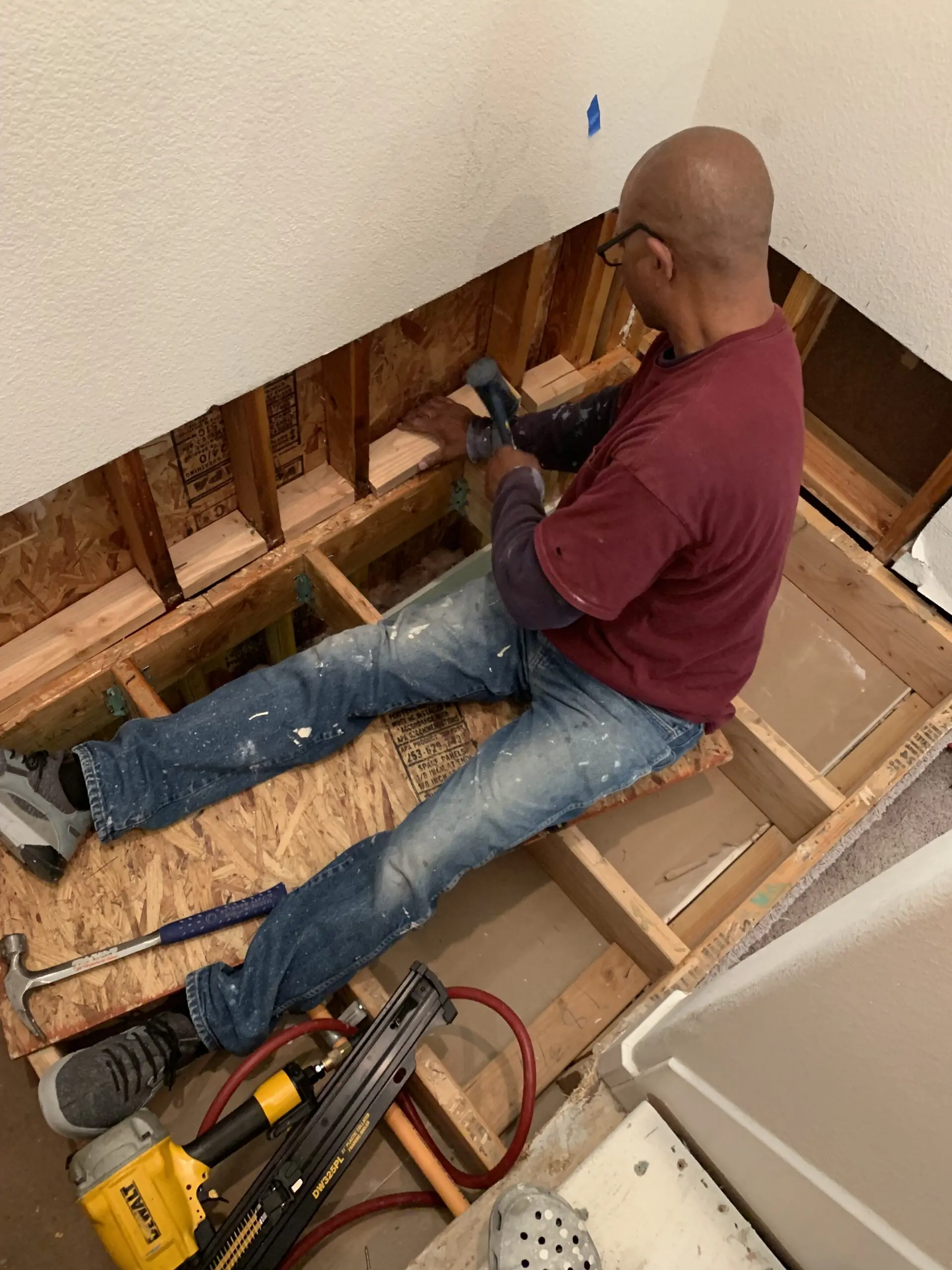
If contamination is in the subfloor, we remove carpet and pad to access it. If it’s behind baseboards, we remove the baseboards. If it’s in drywall or wall cavities, we do selective removal to get to the contaminated area.
You can’t treat what you can’t reach.
Step 3: Dry the Materials
Moisture is the enemy. If materials are damp from cleaning attempts or wicking, we dry them using fans, dehumidifiers, and moisture meters. You cannot seal a wet subfloor or damp drywall it’ll fail.
Step 4: Treat and Prep
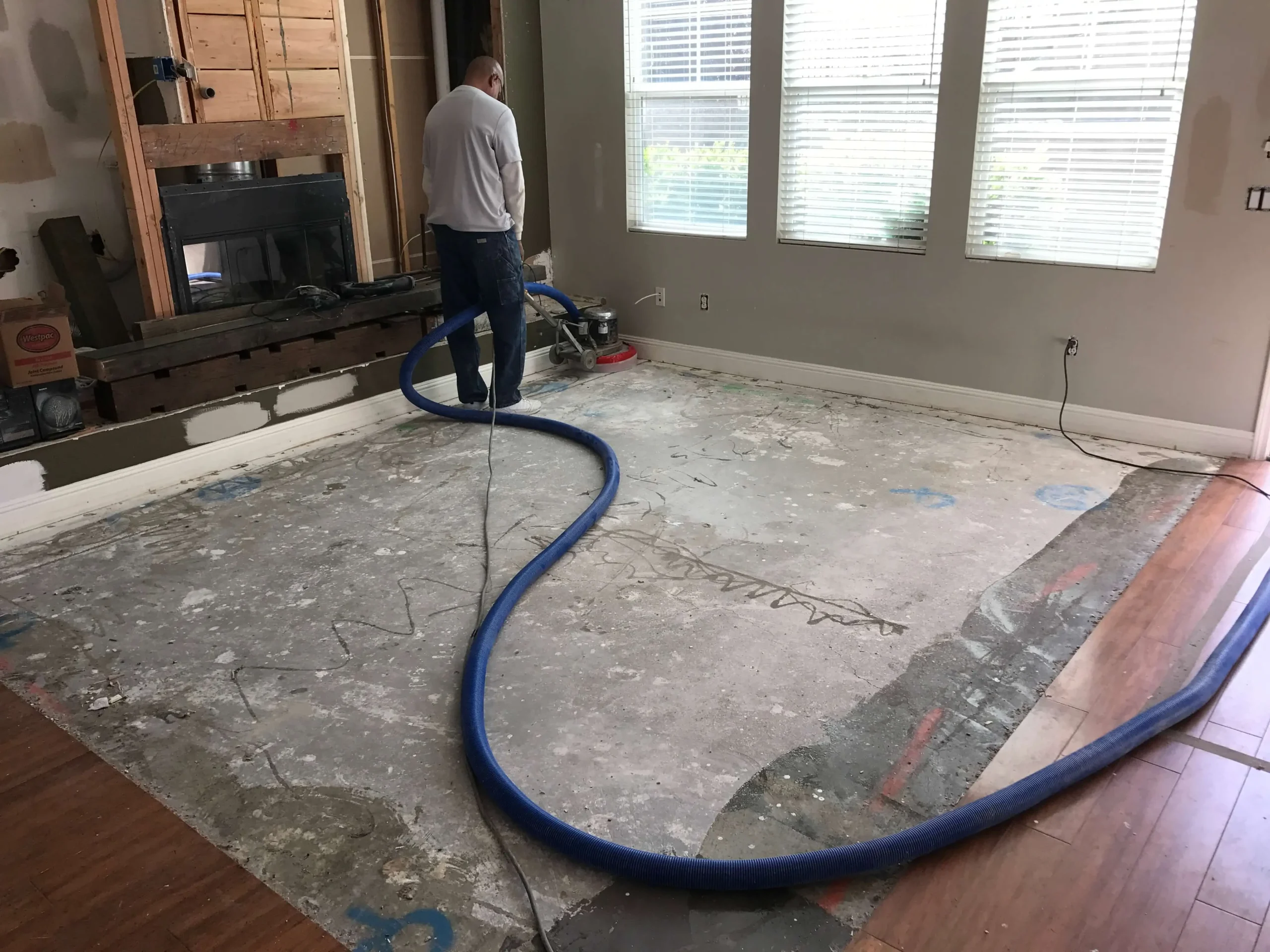
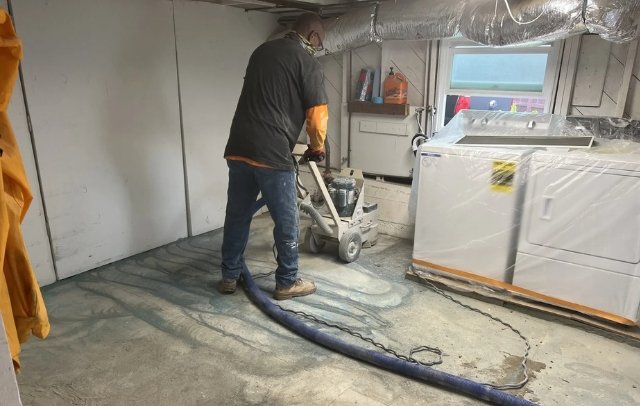
Once materials are dry, we prep them for sealing. This might include sanding subfloors to remove surface residues, cleaning concrete, or removing old failed coatings. The goal is a clean, dry surface that the sealer can bond to.
Step 5: Seal with Odor Encapsulator
We apply a specialized odor encapsulation system to lock down the source. This isn’t regular primer or paint. It’s a barrier coating designed to prevent off-gassing. Once sealed, the contamination can’t release odor into the air even when the house heats up or humidity changes.
Step 6: Verify Before Rebuilding
We don’t rush to put new flooring down or close up walls. We verify the odor is gone and the seal is holding before we finish the job. If there’s any concern, we address it while we’re still on-site.
Real-Life Scenarios We See All the Time
Scenario 1: The Flipper Who Covered It Up
An investor buys a foreclosure, does a quick cosmetic flip (new carpet, fresh paint, new baseboards), and lists it. The buyer doesn’t smell anything during the walkthrough because the house is open and aired out. They close, move in, close up the house, and within a week the whole place smells like cat urine. The odor was in the subfloor the entire time the new carpet just covered it up.
Scenario 2: The Seller Who "Cleaned Everything"
A seller knows there’s a cat odor problem. They hire a carpet cleaning company to deep clean everything. They scrub walls. They replace the worst carpet. The house smells better for a few days. Then the buyer moves in and discovers the smell is still there in the subfloor, baseboards, and drywall edges.
Scenario 3: The Inherited House
Someone inherits a house from a relative who had multiple cats for years. The house is overwhelming. They don’t even know where to start. They try enzyme cleaners, ozone, and air purifiers. Nothing works. They need the house empty and remediated so they can sell it.
Scenario 4: The Rental Property That Won't Rent
A landlord evicts tenants who had cats. The property smells so bad that prospective tenants walk through and immediately leave. The landlord has it cleaned professionally twice. The smell keeps coming back. The property sits vacant for months because no one will lease it.
Scenario 5: The Homeowner Who's Lived with It Too Long
Someone has lived with cat urine odor for years. They’ve tried everything. They’re embarrassed when people visit. They want their house back, but they don’t know if it’s even fixable at this point.
Scenario 6: The Remodeled House That Still Smells
A house was completely remodeled new flooring throughout, fresh paint, new trim. It looks beautiful. But it still smells like cat urine. The contamination is in the subfloor and wall structures underneath all the new finishes. Now the new flooring has to come up to access the source.
Frequently Asked Questions
Read the latest property how-to guides, and information and tips for buying, selling, investing and renting.
Contamination spreads through repeated wet cleaning, HVAC distribution, and wicking. What starts in one room can spread to adjacent areas through shared walls, perimeter edges, and moisture migration. HVAC also distributes odor from contaminated materials into other rooms.
Sometimes. If the contamination is light and limited to the surface of the subfloor, we can access it by removing carpet and pad, then seal the subfloor in place. But if the subfloor is structurally compromised or the contamination is too severe, replacement might be necessary.
It depends on the scope. A single room with moderate contamination might take 2-3 days. A whole house with severe contamination in multiple rooms, wall cavities, and concrete can take 1-2 weeks. Drying time is often the limiting factor we can’t seal wet materials.
It varies widely based on severity, square footage, and what materials are contaminated. A severe whole-house project can range from several thousand to tens of thousands of dollars. We provide estimates after inspection because every situation is different.
Yes. We offer a 5-year guarantee when we use our odor encapsulator sealing system. If we inspect, access, prep, and seal according to our standards, and the odor comes back, we’ll make it right. The guarantee applies when the full scope of work is completed—if we identify contaminated walls and you choose not to address them, we can’t guarantee results on the subfloor alone.
Get an inspection before closing. You need to know what materials are contaminated and what the remediation will cost. This gives you negotiating power with the seller and prevents a surprise financial burden after you own the property. Don’t assume cosmetic updates mean the odor is fixed.
Not unsellable, but it can significantly impact value and time on market. Buyers walk away when they smell odor. Even if you find a buyer, the inspection often reveals the problem, and you end up negotiating repairs or price reductions. It’s smarter to fix it before listing.
Our 5-Year Guarantee (What Separates Us from Cleaning Companies)
Here’s the difference between a cleaning company and an odor remediation company:
Cleaning companies clean surfaces. They shampoo carpet. They mop floors. They wipe walls. If the odor comes back (which it usually does in severe cases), they’ll come back and clean again. But there’s no guarantee because they’re not treating the source.
We’re different.
We don’t clean surfaces. We remediate contaminated materials. We access subfloors, concrete, walls, and baseboards. We dry them, prep them, and seal them with specialized odor encapsulation systems.
And we back it with a 5-year guarantee.
If we inspect, confirm, access, treat, and seal according to our standards, and the odor comes back, we’ll make it right. Why can we offer that? Because we’re treating the source not just masking symptoms.
Ask the competition: What’s their guarantee? Most won’t have one. And that tells you everything you need to know.
Who We Help
- Homebuyers who discovered severe odor after closing and need it remediated before moving in
- Home sellers who need odor eliminated before listing or after a failed inspection
- Real estate investors and flippers who need properties remediated to maximize resale value
- Landlords and property managers dealing with severe tenant damage between leases
- Estate executors who inherited a house with cat odor and need it fixed to sell
- Homeowners who’ve lived with the problem too long and want their house back
Ready to Stop Living with Severe Cat Urine Odor?
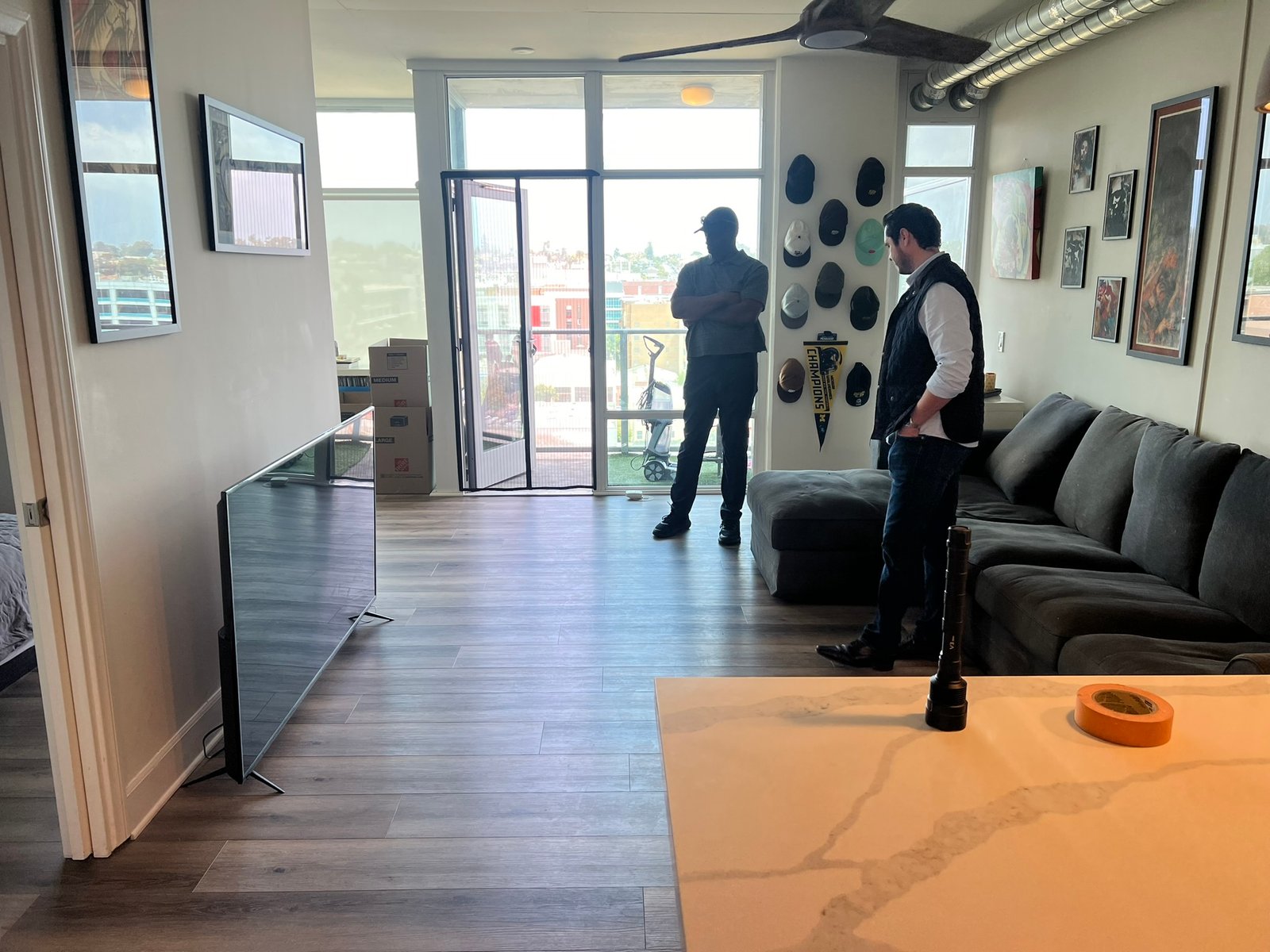
Call us or use the contact form to schedule an inspection. We’ll assess the contamination, confirm what materials are involved, and give you a clear path to a permanent solution.
Our Most Requested Services
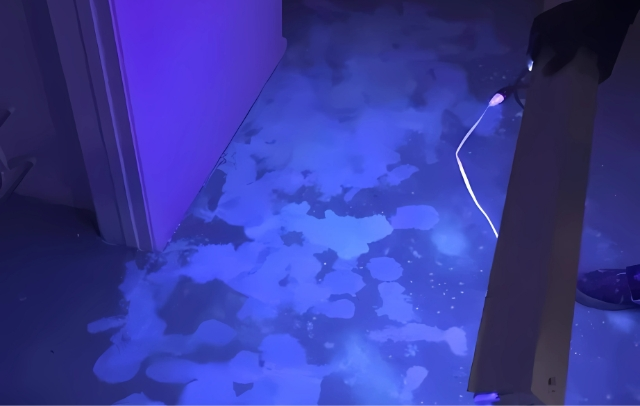
Cat Odor Removal Service
Dog Urine Odor Removal