
Move out day is when small issues become big disputes. Odor is tricky because it can be real even when everything looks clean. Tenants may feel they cleaned thoroughly, while landlords or new occupants still smell urine or pet odor the moment they enter. The disagreement usually comes down to one question: is this normal cleaning, or is there odor damage in the materials?
This article explains practical expectations around pet odor security deposit california disputes for renters and landlords, plus the steps that reduce conflict and prevent last minute surprises. Policies vary by lease terms and property condition, so always check your rental agreement and the documented move in condition.
What counts as cleaning versus damage in practical terms
Most people agree on obvious damage like broken items seor holes. Odor sits in a gray area because it is not always visible. In practice, the difference often looks like this.
Cleaning issues
Cleaning issues are things that can usually be resolved with normal cleaning methods and do not indicate permanent change to materials.
Examples include:
- Light pet hair and dander that comes up with thorough vacuuming and wiping surfaces
- Mild surface odor on removable fabrics like curtains, pet beds, and slipcovers
- General stuffiness that improves with ventilation and routine cleaning
Odor damage issues
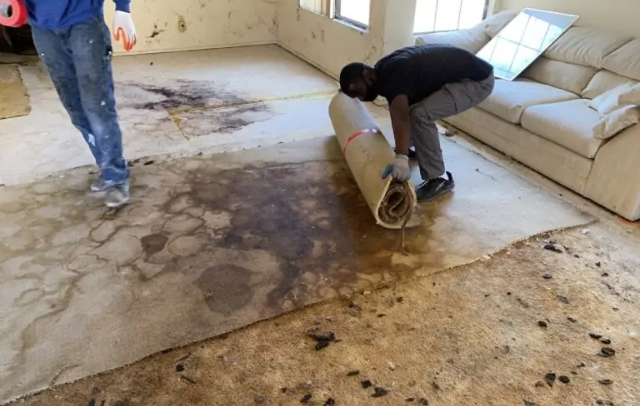
Odor damage usually means smell is embedded in porous materials and returns after cleaning, especially when humidity rises or the area gets damp.
Common examples include:
- Carpet pad urine smell that comes back after shampooing
- Persistent urine odor at room edges and corners even after deep cleaning
- Odor that is strongest right at the floor and reappears after the unit has been closed overnight
- Repeated accidents that soaked through carpet into the pad or wood below
If you want a neutral way to determine whether you are dealing with surface odor or embedded contamination, a third party assessment can help. Many disputes calm down when both sides agree to the same starting point, which is why some renters and landlords choose to schedule an inspection for odor sources through the Odor Inspection and Detection service.
Common move out scenarios and what typically happens
This section is general guidance, not a legal opinion. It reflects patterns that tend to lead to deductions, negotiations, or requests for additional cleaning.
Scenario 1: Tenant cleans, but odor returns when the unit is closed
This is one of the most common move out pet odor damage california situations. The home may smell fine during the day, then smell worse the next morning. That often suggests urine residues in the pad, baseboard edges, or subfloor seams.
Typical outcome:
- Landlord requests additional cleaning or deodorizing
- If odor persists, landlord may pursue deeper remediation costs
- Tenant may dispute if there is no clear documentation or if the odor source is not confirmed
Scenario 2: Cat urine history in a specific room
Cats often return to the same spot, especially near litter areas or along walls. If accidents happened repeatedly, the odor source may be deeper than the visible surface. Prevention matters here, especially for future rentals. If you want to understand the causes and proven approaches, review helpful guidance for cat related odor on the Cat Urine Odor Removal page.
Typical outcome:
- Spot treatment may not be enough if the pad is saturated
- Landlord may request pad replacement or deeper work if wood is affected
- Tenant may be responsible for remediation if damage is beyond normal wear
Scenario 3: The unit looks clean, but new tenants complain immediately
Sometimes the first person to notice odor is the next occupant. That often happens because the prior tenant became nose blind. It also happens when HVAC turns on and circulates air after the unit has been closed.
Typical outcome:
- Owner may re evaluate and take action quickly
- If odor is traced to old contamination, remediation may be needed regardless of who pays
- Documentation of move in and move out condition becomes the deciding factor in many disputes
Scenario 4: Long Beach coastal humidity makes odor more noticeable
Humidity can make urine residues smell stronger. In Long Beach, a unit that seems fine during dry afternoons can smell worse on a damp morning. That is not an excuse to ignore odor. It is a clue that deeper materials may be involved.
If you need local help, you can reference options available in Long Beach on the city service page.
Scenario 5: Tenant offers to pay for cleaning, landlord wants replacement
This is where carpet replacement vs odor removal becomes a real decision. If the pad is the problem, cleaning from above may not solve it. If carpet is already near end of life, replacing might be practical even if the tenant contributed to odor.
Typical outcome:
- Parties negotiate based on age and condition of materials
- If odor is clearly embedded, replacement can be the fastest resolution
- If odor is mild, targeted treatment plus drying may be enough
How to document odor issues and condition without making it worse
Documentation reduces stress on both sides. The goal is to capture evidence and protect the property, not to spread odor or create extra damage.
For tenants
- Take clear photos and short videos after cleaning, including floors, corners, closets, and baseboards
- Record a quick walk through video with a date stamp if possible
- Keep receipts for cleaning, carpet shampooing, and any odor treatments used
- Do not soak carpet with excessive liquid. Overwetting can drive urine deeper and make the smell worse
- If you suspect pad or subfloor involvement, avoid ripping up flooring without permission. Instead, propose an objective evaluation
For landlords
- Document the move out condition promptly
- Note where odor is strongest, such as specific rooms or edges
- Avoid heavy fragrance sprays that mask the problem during evaluation
- If you plan remediation, get clarity on whether odor is in pad, subfloor, or both before approving work
If both parties want a neutral assessment that focuses on facts, an odor check for rentals using the Odor Inspection and Detection service can provide a shared understanding of the source areas.
Step by step move out checklist
Use this checklist before handing over keys. It helps tenants reduce odor, and it helps landlords evaluate condition fairly.
Remove all pet items and soft goods
Take out pet beds, litter boxes, rugs, and fabric toys. Wash what you keep and store it off site.
Deep vacuum slowly
Vacuum carpeted areas twice in different directions. Vacuum edges and corners where hair accumulates.
Wipe lower walls and baseboards
Odor often clings where pets brush along walls. Use a mild cleaner and avoid leaving moisture behind.
Identify the strongest zones
Walk the unit after it has been closed overnight. Mark any area where odor is noticeably stronger.
Do a gentle surface check for urine hotspots
Press a clean white towel on suspect spots for 10 seconds. If you get discoloration or strong odor transfer, deeper layers may be involved.
Avoid overwetting the carpet
If you shampoo, use minimal moisture and prioritize drying. Run fans and keep the HVAC on to reduce humidity.
Document everything
Take photos and a short video of each room, plus close ups of any problem spots and your completed cleaning.
If odor persists, do not mask it
Heavy fragrance can look like concealment. Instead, propose a clear plan such as inspection, targeted treatment, or replacement depending on what is found.
Decide whether replacement is the practical option
If carpet pad urine smell remains after reasonable cleaning and drying, replacement may be more effective than repeating treatments. In that case, learn what is involved with Residential Carpet Removal so you understand scope, timing, and how odor damage is handled.
Confirm service availability if you need professional help fast
If the property is outside your immediate area, use the Service Areas hub to confirm coverage.
When to request an odor inspection and why it helps
Odor inspection is most helpful when there is disagreement, time pressure, or uncertainty about the source.
Consider requesting an inspection when:
- The unit smells clean for a few hours, then odor returns
- The smell is strongest near the floor or along walls
- Prior accidents happened in the same spot over time
- You suspect the odor is in the carpet pad versus the subfloor
- You are trying to avoid unnecessary carpet replacement
A professional evaluation helps because it:
- Locates source areas so remediation is focused, not random
- Separates surface odor from embedded contamination
- Reduces conflict by giving both sides a clear picture of what needs to be addressed
If you are nearing move out and want clarity before deposit decisions are made, you can request a rental odor inspection through the Odor Inspection and Detection page.
Frequently Asked Questions
If I clean the carpet, can my landlord still say there is odor damage?
Possibly. If odor is embedded in pad or wood, surface cleaning can leave smell that returns later. Documentation plus an objective evaluation can reduce disputes.
Does pet odor automatically mean the tenant pays?
Not automatically. Outcomes depend on the lease, move in condition, length of tenancy, and whether the issue is normal cleaning or material damage. Review your agreement and the documented condition.
How can I tell if the smell is in the pad versus the subfloor?
Strong odor that returns after cleaning often points to the pad. If smell is strongest at edges, corners, or persists even when carpet seems dry, subfloor involvement is possible. An inspection can confirm the source layer.
What should landlords avoid when evaluating odor at move out?
Avoid masking sprays and plug in fragrances during evaluation. They can hide the true source and make it harder to decide the right fix.
Is carpet replacement always required for urine odor?
No. Some cases respond to targeted treatment and drying. Replacement becomes more likely when the pad is saturated or odor keeps returning despite reasonable cleaning.
What helps prevent repeat accidents in rentals with cats?
Fast cleanup, addressing litter box placement, and preventing return marking patterns are key. For deeper recurring issues, the Cat Urine Odor Removal resource explains why odors persist and what actually works.