Showings move fast, and buyers decide how they feel about a home in the first minute. If they catch even a faint pet smell at the entry, many will assume there is hidden damage and move on. The good news is that you can often reduce odors quickly, but only if you focus on the real source, not just the air.
This guide is for California homeowners getting ready to list and wanting practical steps to remove pet odor before selling house, without wasting time on fixes that only mask the problem.
Why pet odors return even after cleaning
Most pet odor is not floating in the air. It is trapped in materials that hold residues and release smell again when humidity rises or when the area gets damp.
Here are the most common reasons odor returns right after you think you solved it.
Residue is still in the padding
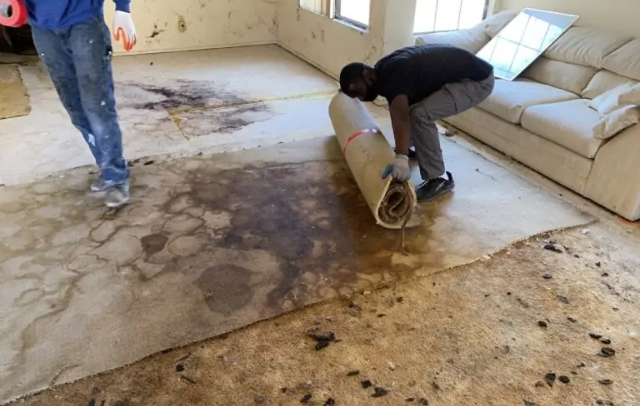
Carpet fibers can look clean while the pad underneath holds old urine. The pad works like a sponge. When it gets slightly humid, odor can reappear and spread through the room.
Urine traveled deeper than the visible stain
Many accidents spread beyond what you can see. The center spot may be small, but the affected area in the pad can be much larger.
Cleaning added moisture without full drying
Shampooing and steam cleaning can help, but if the pad and backing do not dry fast, you can end up reactivating old residues while adding a new damp smell.
The subfloor is holding contamination
When urine soaks through the pad, it can reach the wood below. Wood can absorb and hold odor, especially around seams and edges. That is why some homes smell fine most days, then smell worse on warm afternoons or after rain.
Odor is coming from more than one place
A home can have multiple sources at once: carpet, baseboards, a closet corner, or a room where a litter box used to be. Treating only one spot can make the rest seem stronger.
If you want a clear map of where the smell is coming from before you spend money, consider scheduling a professional check early. A focused visit like an odor inspection for sellers can save you from guessing and replacing the wrong materials.
Fast steps you can do before a showing
These are safe, realistic actions that help buyers experience the home at its best. They will not replace deeper remediation if contamination is embedded, but they can make a noticeable difference for a showing window.
Step 1: Remove soft odor collectors that are not essential
Wash pet bedding, throw blankets, and slipcovers. If you have a fabric item that holds smell and is not needed for staging, store it off site for the listing period.
Step 2: Clean hard surfaces with simple, unscented methods
Wipe baseboards, door frames, and lower walls in high traffic pet areas. Odor often clings to the lower parts of walls where pets brush by.
Step 3: Vacuum slowly, then vacuum again
Use a vacuum with strong suction and a clean filter. Two slow passes remove more hair and dander than one fast pass.
Step 4: Ventilate strategically
Air out the home for a short period, then close windows before showings if outdoor smells are present. If the home is in San Jose near busy roads, short ventilation followed by clean indoor air can be better than leaving windows open.
Step 5: Do not rely on heavy fragrance
Strong sprays and plug ins can backfire. Buyers often interpret heavy scent as a cover for damage. Aim for neutral.
Step 6: Control humidity
If indoor air feels damp, run the HVAC fan and use a dehumidifier if you have one. Odor release increases with humidity, so dryness is your friend before showings.
Step 7: Target the most likely zones first
Focus on bedrooms, hallways, and any room where pets spend time. Closet corners are a common surprise source.
If you need help with local support, you can also review service options for your area using the San Jose service page to understand what is available before your open house schedule starts.
How to tell if odor is in carpet pad vs subfloor
This is the decision point that determines whether cleaning is enough or whether you need deeper work.
Signs the pad is the main problem
- Smell is strongest right at the carpet surface.
- Odor spikes after cleaning or on humid days, then fades when air is dry.
- Carpet looks fine, but certain spots always smell worse.
- The affected zone feels slightly different underfoot, sometimes softer or more compressed.
Signs the subfloor may be involved
- Odor returns quickly after deep cleaning.
- The smell is strongest at room edges or corners.
- A particular area smells even when the carpet is dry and the home is ventilated.
- Past repeat accidents happened in the same place.
- You smell it more when the home is closed up overnight.
Simple confirmation checks that do not require a full tear out
- Mark the strongest odor areas with painter’s tape.
- Press a clean white paper towel firmly onto the spot for 10 seconds.
- If you can safely lift a small carpet corner in a closet or along an edge near the mark, smell the pad directly.
- If the pad smells strong but the wood below smells mild, the pad is likely the main reservoir.
- If the wood below smells strong, deeper contamination is likely present.
If you are preparing for listing photos and you cannot afford guesswork, this is where a targeted evaluation helps. A pre listing odor assessment can identify whether the odor is concentrated in the pad, embedded in the subfloor, or spread across multiple rooms.
Step by step plan for the next 72 hours
This timeline is designed for a real world listing schedule. It focuses on the highest impact actions first.
Day 1: Find and isolate the source areas
- Walk the home with fresh eyes in the morning when the house has been closed overnight.
- Identify the top three odor zones and mark them.
- Vacuum all carpeted areas slowly with extra time on the marked zones.
- Wash pet fabrics and remove any non essential soft items for staging.
- Wipe lower walls and baseboards in the marked zones.
- Open windows for 15 minutes, then close and run the HVAC fan to stabilize indoor air.
Day 2: Deep address the materials that hold odor
- Treat the marked zones based on what you found in the pad versus subfloor checks.
- If pad contamination is suspected, apply your chosen product in a way that reaches the pad depth, then extract moisture as much as possible.
- Dry aggressively with fans and airflow. Keep the area dry for the full day.
- Check closets, corners, and doorways again. These often hide secondary sources.
- Stage the home with neutral textiles and avoid heavy scent products.
Day 3: Final showing prep and verification
- Do a final odor walk through two hours before the first showing.
- Spot clean hard surfaces again in pet areas.
- Run HVAC and keep humidity low.
- Remove litter boxes and pet items during showings if possible.
- If any zone still smells, do not spray fragrance. Focus on airflow and the source area.
If you are outside the San Jose region and need help quickly, check the Service Areas hub to confirm availability and scheduling.
What a professional odor inspection includes and why it helps before listing
When you are selling, the goal is not only to reduce smell. The goal is to prevent the smell from returning during showings and to avoid surprises during buyer due diligence.
A professional inspection typically focuses on:
- Locating the strongest source zones rather than treating the whole home blindly.
- Checking whether odor is trapped in carpet pad, subfloor, or wall edges.
- Identifying spread patterns so treatment covers the full affected area.
- Recommending the simplest fix that matches the depth of contamination.
- Helping you prioritize fixes based on your timeline and budget.
For sellers, this matters because the wrong fix can waste a weekend and still leave odor present when buyers walk in. If you want a clear plan before you list, start by booking a visit through the OdorXpert inspection team.
Options when odor is embedded (sealing, repair, removal)
When odor lives deep in materials, you have three practical paths. The right choice depends on how much time you have before showings and how extensive the contamination is.
Option 1: Targeted cleaning and drying
Best when contamination is light and mainly in the carpet surface or shallow pad. This can work for minor issues, but it often fails when accidents were repeated.
Option 2: Sealing the subfloor after proper prep
If the wood is holding odor, sealing can block remaining odor from traveling upward into new flooring or clean carpet. This is usually considered after affected materials are removed and the area is properly cleaned and dried. Learn how subfloor odor sealing works when deeper contamination is confirmed.
Option 3: Removal and replacement of damaged materials
Sometimes replacement is the smarter business decision when preparing for a sale. If a pad is saturated or carpet backing holds persistent odor, repeated cleaning can cost more than replacement and still fail at show time. When odor damage is widespread, explore residential carpet removal as a practical reset before staging.
Option 4: Local service support for tighter timelines
If you are on a short listing schedule, professional remediation can align the right fix to your timeline. You can start by visiting the OdorXpert homepage to request help and coordinate next steps.
Frequently Asked Questions
How early should I address pet odor before listing?
Ideally two to three weeks before photos and showings. That gives time for drying, targeted repairs, and verifying the smell does not return during different humidity conditions.
What is the biggest mistake sellers make with pet odors?
Using heavy fragrance to cover it. Buyers often interpret fragrance as a red flag and may assume the problem is worse than it is.
How can I tell if the pad is the problem without tearing up the room?
Mark the strongest spots, do a paper towel press test, and if possible lift a small corner in a closet near the area to smell the pad directly. If the pad smell is strong but the wood below is mild, the pad is likely the main issue.
Will steam cleaning remove urine smell before an open house?
It can help with light contamination, but it can also reactivate odor if the pad stays damp. If odor returns after steam cleaning, deeper layers may be involved.
When should I consider sealing the subfloor?
When the wood itself holds odor after pad is pulled back and the area has been cleaned and fully dried. Sealing is often used to prevent odor from bleeding back through new materials.
Do buyers notice pet odor even if I do not?
Often yes. People who live in the home can become nose blind, while buyers walk in with fresh sensitivity. That is why verifying odor control before showings is so important.
Preparing to sell is stressful enough without worrying about how the home smells. If you want a clear plan and a realistic fix before showings begin, book an inspection so you know exactly what needs attention and what can be left alone.