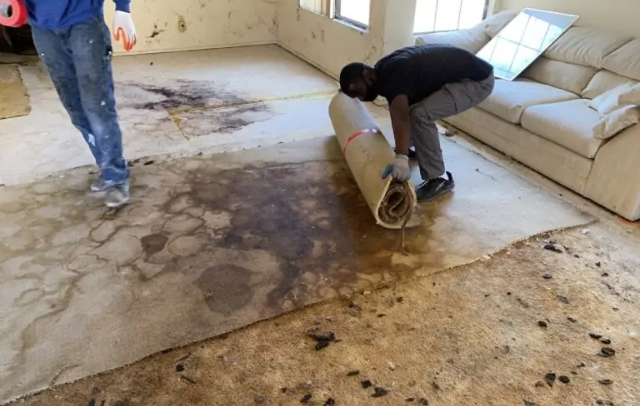

If the room still smells like urine after you cleaned the carpet, the padding under the carpet is one of the most common reasons. Carpet fibers can look clean, feel dry, and still release odor because the real contamination is sitting underneath in the sponge-like layer that was designed to absorb impact. Unfortunately, that same absorbency makes padding a perfect storage place for pet urine.
This guide will help you decide the right move. You will learn how to confirm whether padding is the source, what situations can be treated successfully, when replacement is the smarter option, and what to do so the odor does not come back later.
Why carpet padding holds odor longer than carpet
Carpet fibers are exposed to air. They dry and off-gas faster. Padding is different. It is dense, porous, and sits in a low-airflow zone between the carpet and the subfloor. When urine reaches padding, it can spread sideways and soak deeper than the visible stain on top.
That is why you can shampoo the carpet and feel like you made progress, then the smell returns. Moisture from cleaning, humidity, or heat can reactivate the odor trapped in the padding and push it back up through the carpet.
If you have already read Blog 1 about why cat urine smell keeps coming back, carpet padding is one of the main hidden layers behind that problem. And if you used the step-by-step approach in Blog 2 to find hidden pet urine odor, this post is the next logical step once you suspect the source is below the surface.
The first question to answer: is the padding really the source
Before you remove anything, confirm the source as accurately as possible. Many homeowners waste time treating the carpet when the padding is saturated, or they replace carpet when the subfloor was the real issue.
Confirming signs that point to padding
A strong clue is when the odor is stronger at floor level than at standing height. Another clue is when the smell spikes after you mop nearby, after a rainy humid day, or after you run the heater. A third clue is when the carpet looks fairly clean but you still get a sharp urine hit in a specific zone.
If the stain was large, repeated, or happened over time, padding involvement becomes more likely. Even one “big accident” can soak through, especially on plush carpets.
A simple confirmation test you can do at home
Use the blot test you learned in the hidden odor guide, but take it one step further. Press a clean white cloth firmly into the carpet for 30 seconds, then smell the cloth. If the cloth smells like urine but the surface looks clean, that often suggests deeper contamination.
If you can safely lift a small edge of carpet in a closet corner or along a wall seam, smell the underside of the carpet and the padding directly. If odor is dramatically stronger underneath, you have your answer.
If you cannot lift carpet or you want certainty before making a decision, this is where an Odor Inspection and Detection service is valuable. It helps confirm whether the problem is carpet, padding, subfloor, baseboards, or walls, so you do not guess.
When carpet padding can be saved
Padding can sometimes be treated successfully, but only in specific situations. The biggest factor is depth and duration.
Padding is more likely to be saved when the accident is recent, the area is small, urine volume was limited, and the odor does not return strongly after drying. It also helps if the pet did not repeat the behavior in that exact spot multiple times.
Another key factor is access. If you cannot fully saturate the contaminated padding layer with the correct treatment, you cannot truly neutralize it. Surface sprays that do not reach the padding often fail.
The realistic goal when trying to save padding
If you are going to attempt treatment, your goal is not masking. Your goal is to reach the same layer where urine sits and neutralize it there, then dry it completely. This is exactly where people get stuck, because they treat the top surface and the padding stays contaminated.
This is also why the comparison in Blog 3, enzyme cleaners vs professional pet odor removal, matters here. Enzymes can help, but only when they reach the source and have enough dwell time, and the area dries correctly.
When carpet padding should be replaced
There are situations where replacement is the smarter, faster, and more cost-effective option.
Padding replacement is usually the right call when urine happened repeatedly, the smell returns after cleaning, the affected area is large, or the padding feels stiff, crusty, or uneven underfoot. Those texture changes often mean the contamination is deep and has dried inside the padding.
Another major sign is when you treat the carpet multiple times and the odor persists. At that point you are usually paying for repeated attempts that do not fix the source.
Important warning about replacing padding without checking the subfloor
Replacing padding alone is not always enough. If urine reached the subfloor, the odor will still rise into the room even with brand new padding. Many homeowners replace carpet and padding, then feel shocked when the smell returns.
So before you commit to replacement, confirm whether the subfloor is involved. If subfloor is contaminated, you may need Subfloor Odor Sealing or targeted repair to prevent odor from returning.
The decision framework: save or replace
Use this decision framework to choose the right path.
If the accident was recent, limited, and confirmed to be shallow, attempt treatment. If the accident was repeated, old, widespread, or you suspect the subfloor is involved, replacement plus subfloor treatment is often the better plan.
Another practical question is time. If you need guaranteed results for move-out, rental turnover, or selling the home, professional treatment or replacement is often the fastest route, because it avoids weeks of trial and error.
What happens if you try to treat padding the wrong way
Many people attempt a carpet shampoo or steam clean. It can temporarily reduce smell, but it often rehydrates residues in padding and makes the odor bloom later. That bloom makes it feel worse than before.
Another common mistake is using too little treatment product. If urine soaked into padding, a light spray on top does not reach the layer that matters.
A third mistake is poor drying. If the padding stays damp, it can trap odors, spread contamination, and create new smells. Drying is not a bonus step. It is part of the odor removal process.
A practical treatment approach when the padding might be savable
If you want to try saving padding, the safest strategy is controlled, targeted treatment rather than soaking the entire room.
First, confirm the smallest possible contaminated zone. Use your detection checklist from Blog 2. Then treat only that zone deeply and evenly. Let it dwell as directed by the product, and then dry fully.
Recheck after 24 to 72 hours and again after a humid day or after running HVAC. If odor returns, stop repeating the same cycle. That usually indicates deeper contamination or subfloor involvement.
If you keep repeating DIY attempts, you can spend more than the cost of professional inspection and targeted treatment.
When carpet padding is replaced, what should happen next
If padding is replaced, your job is not done yet. You need to make sure odor does not reappear from below.
Check and treat the subfloor
If the subfloor smells even slightly like urine, sealing or treatment may be needed. Subfloor is porous, especially wood. Even concrete can hold residues. If you ignore it, odor can rise back up.
This is the stage where Subfloor Odor Sealing becomes a permanent fix in many homes. It blocks odor at the source and prevents reactivation.
Consider wall edges if the accident was near corners
If accidents happened near walls, baseboards and the bottom drywall edge can also hold odor. If the smell is strongest right along the wall line, you may need Drywall Odor Removal and Repair for a complete solution.
Verify before reinstalling
If possible, verify odor is gone before everything is sealed back up. It is much easier to treat a subfloor when carpet is lifted than after it is installed.
What if the carpet itself is ruined
Sometimes padding is not the only issue. Carpet fibers can be damaged by repeated urine, and staining can become permanent. If carpet has deep damage, Residential Carpet Removal for Pet Odor Damage may be the cleanest solution, especially when you want certainty.
If you are dealing with cat urine, it can be especially persistent. In that case, Cat Urine Odor Removal may be the right service, particularly when odor keeps coming back. For dog accidents with larger volume or repeated incidents, Dog Urine Odor Removal may be the better match.
How to prevent the odor from coming back after the fix
Even after a perfect fix, prevention matters because pets can return to the same spot if any trace remains.
Keep the area fully neutralized, not just masked. Make sure the pet does not have easy access during drying and treatment. Address behavior triggers, litter box location, stress, or medical issues if accidents repeat. The cleaner the break from the old scent pattern, the better the long-term outcome.
FAQs
Can carpet padding be cleaned and reused after pet urine?
Sometimes, but only when contamination is small, recent, and shallow, and the treatment reaches the padding fully with complete drying. Repeated or old contamination often requires replacement.
Why does my carpet smell worse after shampooing?
Carpet cleaning adds moisture. If padding or subfloor still contains urine residues, moisture can reactivate odor and push it back up through the carpet.
If I replace padding, do I have to replace carpet too?
Not always. If carpet fibers are in good shape and odor is not in the carpet itself, you can sometimes replace only the padding. But you must confirm the subfloor is clean, or odor can return.
How do I know if urine reached the subfloor?
If odor returns after multiple cleanings, smells strongest near the floor, or persists after padding replacement, subfloor involvement is likely. A professional odor inspection can confirm.
What is the most permanent solution for urine smell under carpet?
A permanent solution usually combines accurate source detection, removal of saturated padding if needed, and subfloor treatment or sealing when contamination reached the structure.