Structural Odor Remediation · California
Concrete Odor Proofing℠ Service
Pet urine soaks into concrete slabs. We seal it at the source.
Garage, basement, or converted slab — pet urine penetrates porous concrete and keeps off-gassing into the room. We dry and seal qualifying slabs with our Odor Encapsulator before new flooring or coating goes down.
- 35+ Years of Industry Experience
- We Start Where Carpet Cleaners Stop
- Odor Proofing Guarantee — 5 Years, Written
Coating or covering the slab? Call before you do.
Free Phone Quote · Discreet · No Judgment
What this looks like in a real home
Concrete Odor Proofing℠ Service: the problem, the cause, the fix
 01
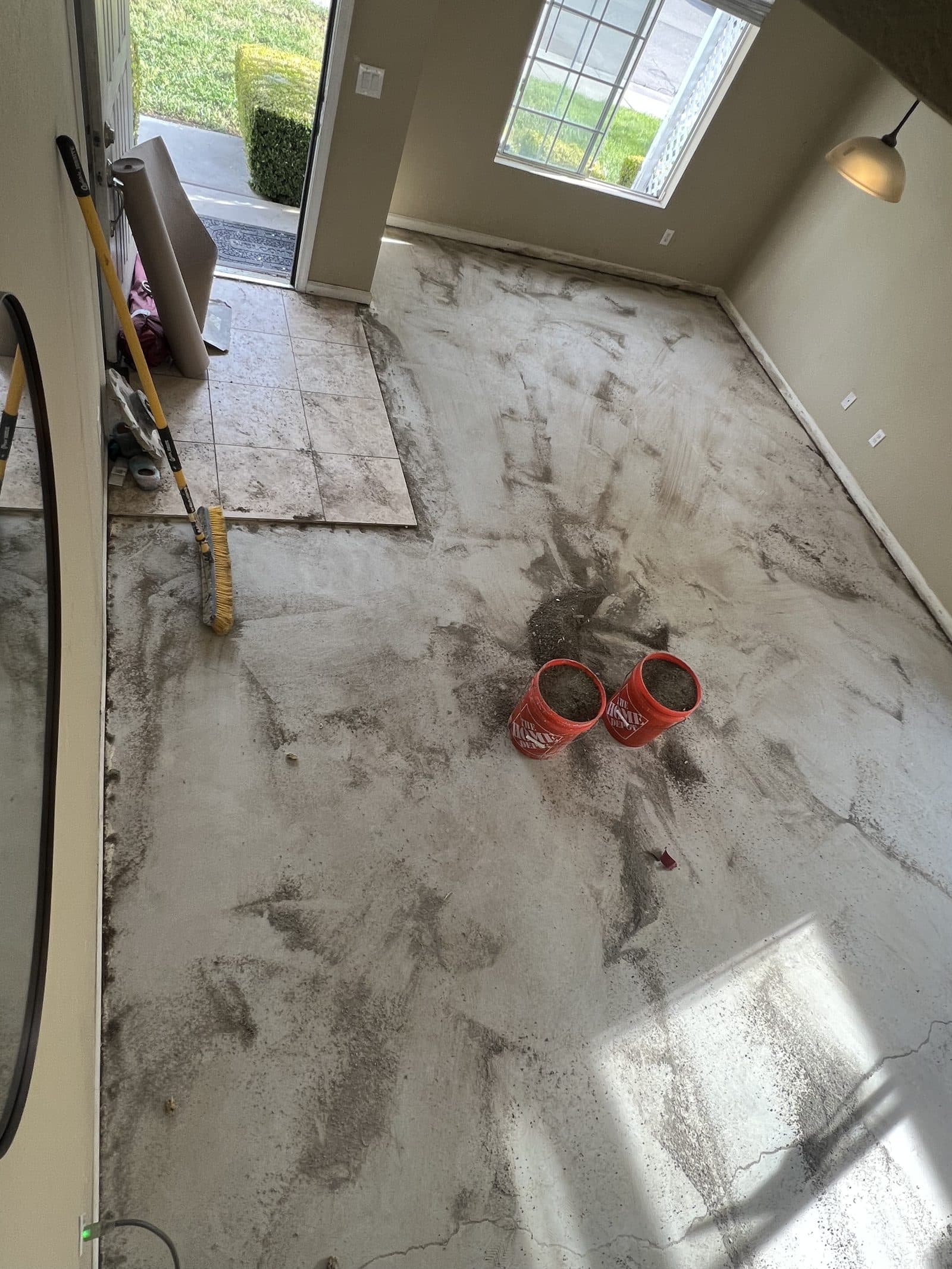
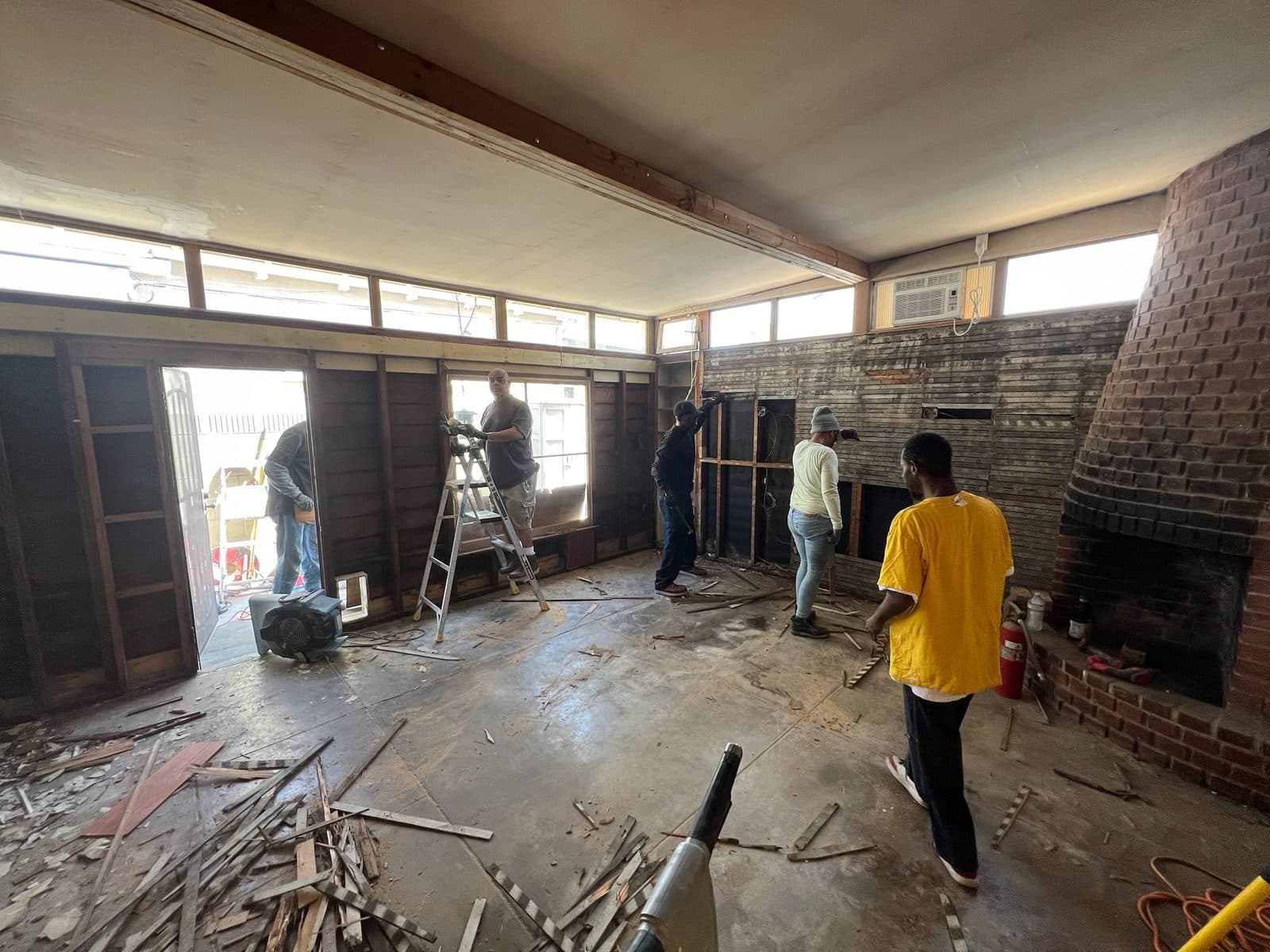
FirstThe carpet and pad come outConcrete can’t be treated through soaked flooring, so it all comes up.  02
What we findConcrete is a spongeUnder UV, urine rings glow where they soaked into the slab and its cracks.  03
The fixTreated and sealed slabThe slab is treated, then sealed so new flooring isn’t sitting on an open source.
Illustrative images.
Coating or covering the slab? Seal the odor first.
What odor proofing is
Drying and sealing qualifying treated concrete with our Odor Encapsulator so embedded pet-urine odor is contained — backed by a 5-year written guarantee on qualifying work.
Epoxy or flooring traps it
Paint, epoxy, or new flooring over a contaminated slab doesn’t remove the odor — it covers it, and the smell works back out through edges, cracks, and control joints. Seal the odor first, then coat.
Why the smell comes back from a slab
Concrete looks solid but is porous — urine wicks into the capillaries of the slab and soaks into the sub-slab soil below. Surface cleaning only treats the top; the residue inside reactivates with humidity and warmth and keeps releasing odor.
If the smell keeps coming back, the source was never sealed — it’s still inside the slab.
Cross-section of a slab
- 01
Room air
Odor released with humidity and warmth.
- 02
Slab surface
What surface cleaning reaches.
- 03
Concrete capillaries
Where urine wicks in.
- 04
Sub-slab soil
Residue soaks in below.
DIY reality check
Why Common Cleaning Methods Fail on Urine-Contaminated Concrete
Not every cleaning method is ineffective. Many work well for initial cleanup or minor surface contamination. The problem begins when urine penetrates concrete pores, cracks, joints, and surrounding building materials. At that point, cleaning the visible surface may not address the source of the odor.
Bleach & Vinegar — Surface Treatment and Chemical Hazards
Bleach and vinegar are sometimes used separately for cleaning, but they cannot reliably address urine contamination that has penetrated deep into concrete. Effective chemical cleaning depends on the correct product, dilution, contact time, and application conditions. Improper use creates unnecessary risks. Never mix bleach and vinegar — combining them can release hazardous chlorine gas, and bleach can also react with ammonia-containing residues. Proper ventilation, chemical-resistant protective equipment, and appropriate respiratory protection are essential when working with hazardous cleaning chemicals. Even when used correctly, surface cleaning does not necessarily reach urine compounds embedded within the slab.
Enzyme Cleaners — Limited Penetration and Prolonged Moisture
Enzyme-based cleaners can help break down certain organic residues, and some formulations include fragrances that temporarily mask unpleasant odors. However, effective treatment depends on the product, temperature, moisture, contact time, and whether the solution actually reaches the contamination — some applications may require repeated treatments over days or weeks. On carpet and wood flooring, prolonged moisture creates additional concerns: repeated saturation or inadequate drying can damage carpet backing, baseboards, drywall, plywood subfloors, floor joists, and even ceilings below. The problem isn't simply choosing an enzyme cleaner — it's determining whether the product can reach the contaminated material without creating additional moisture damage.
Pressure Washing — Adds Water Without Reaching Deep Contamination
Pressure washing is useful for initial cleanup, particularly when removing surface urine residue, pet waste, and accumulated debris from garages, patios, and dog runs. But when urine has been soaking into concrete for months or years, pressure washing primarily addresses the exposed surface. The added water can temporarily suppress the odor while introducing additional moisture into the slab's pores, joints, and cracks. Once conditions change and the concrete dries or warms, embedded odors may become noticeable again. A clean-looking concrete surface does not mean the contamination beneath it has been adequately treated.
Acid Etching — Opens Concrete Pores but Doesn't Seal Odors
Acid etching is a surface-preparation method, not a urine odor remediation system. It reacts with the cement paste at the surface, helping remove certain surface deposits and increasing surface texture and porosity. It does not reliably remove urine compounds embedded deeper in the slab. If contaminated concrete is etched and then left untreated, the newly exposed pore structure may provide additional pathways for moisture and odor movement. Opening the concrete is not the same as treating and sealing the contamination — proper preparation must be followed by a treatment appropriate for the slab’s condition.
Primers & Shellac — Temporary Odor Suppression Is Not Always Remediation
Certain primers and shellac-based sealers can help suppress minor odors on relatively dry, properly prepared surfaces. But severely urine-contaminated concrete and wood subfloors present a different challenge. Applying multiple coats over damp or heavily contaminated materials may temporarily reduce noticeable odors without addressing moisture or contamination beneath the coating. If the coating loses adhesion, moisture migrates, or vapors escape through untreated joints and edges, odors may return weeks or months later. That temporary improvement can create a false impression that the problem has been resolved. The condition of the underlying material matters more than the number of coats applied.
Why OdorXpert Takes a Different Approach
At OdorXpert, we begin by identifying where contamination has penetrated and determining which materials can be treated and which may require removal or additional preparation. Our approach includes evaluating the concrete, addressing contaminated cracks and joints, preparing the affected surfaces, and applying our Odor Encapsulator where appropriate. The Odor Encapsulator is designed to help contain and reduce embedded urine vapors. Our goal is to treat and seal the contamination at its source rather than repeatedly cleaning the surface above it. 5-year written guarantee on qualifying work.
Process
- 01
Inspection
UV + moisture meters map contamination across the slab, cracks, and control joints; itemized estimate first.
- 02
Identify contamination
Zones, cracks, control joints.
- 03
Clean & treat
Reduce and neutralize surface contamination.
- 04
Dry the slab
Test moisture and dry with commercial drying equipment.
- 05
Odor Proofing
Apply the Odor Encapsulator to the qualifying treated slab.
The Odor Encapsulator
The Odor Encapsulator is designed to help contain and reduce embedded urine vapors.
Penetrates the prepared concrete
Bonds to and seals the slab surface
Contains residual contamination in place
Helps keep odor from rising into the room
At the end of this process the odor in the slab is contained or removed — not covered.
Where concrete odor shows up
Garages
Most common — pets kept in the garage or prior-owner contamination.
Learn moreBasements
Below-grade slabs hold moisture that reactivates odor.
Converted garages & ADUs
Living space over an untreated slab.
Patios & sunrooms
Enclosed slabs that became interior rooms.
The 5-Year Written Guarantee
Qualifying slabs treated with our Odor Encapsulator are backed by a written 5-year guarantee, subject to the documented treatment scope and written terms.
The Odor Encapsulator is designed to help contain and reduce embedded urine vapors. It addresses pet-urine odor in the specific concrete we treat; it does not make the slab impervious to future pet accidents or other-source odor. It does not apply to inspections, estimates, oxidizer-only treatments, or allergen services.
Frequently Asked Questions
Can you seal urine odor in a garage slab?
Yes — garage and basement slabs are common jobs.
Can I epoxy or tile over it after?
Yes — once treated, dried, and sealed, your coating goes over a sealed base.
What if the odor is in the soil under the slab?
The inspection determines depth; we scope to the real extent.
How much does it cost?
It depends on severity, area, and prep — you get a documented, itemized estimate after the inspection.
Do I need an inspection first?
Yes.
Start With a Free Phone Quote
Tell us what you're smelling and where. A free phone quote takes under 10 minutes — and we'll point you to the right service, even if it's not ours.