
Monrovia, California | Real OdorXpert Project
They Tried Everything. Except Removing the Source.
In Monrovia, California, a homeowner hired a contractor to address a serious cat urine problem before completing approximately $35,000 in remodeling.
According to the homeowner, the contractor tried many of the methods commonly recommended online. They pressure-washed the concrete, scrubbed with cleaning products, applied enzyme treatments, and coated subfloors and drywall with oil-based primer.
Then came the finishing touches: new baseboards, fresh paint, new carpet, and new laminate and vinyl flooring.
The house looked beautiful. But the cat urine odor was still there.
When OdorXpert performed its inspection, we discovered extensive evidence of contamination that those treatments had failed to resolve. Cat spray was identified high on the kitchen wall — roughly six feet up, where cats had sprayed while standing on the refrigerator — and urine contamination reached as high as seven feet beside the sliding glass door. We documented heavy urine on perimeter walls in the living and dining areas, and elevated moisture in drywall and door jambs throughout the home.
Urine contamination remained along perimeter walls, behind newly finished surfaces, and in materials that could only be reached by removing the new work.
The result? Newly installed materials had to be removed to expose and remediate the affected areas.
The problem wasn't that the contractor hadn't tried enough products. The problem was that the sources of contamination hadn't been adequately addressed.
The homeowner had already paid for a remodel. Now portions of that expensive work had to be undone before the home could be properly remediated.
Don't pay to remodel twice. Find the urine before you cover it.
We're not claiming enzymes, pressure washing, or oil-based primers never work. In this documented case, those efforts did not eliminate the underlying odor — because the sources in the structure hadn't been removed and sealed.
The photo record
The remodel
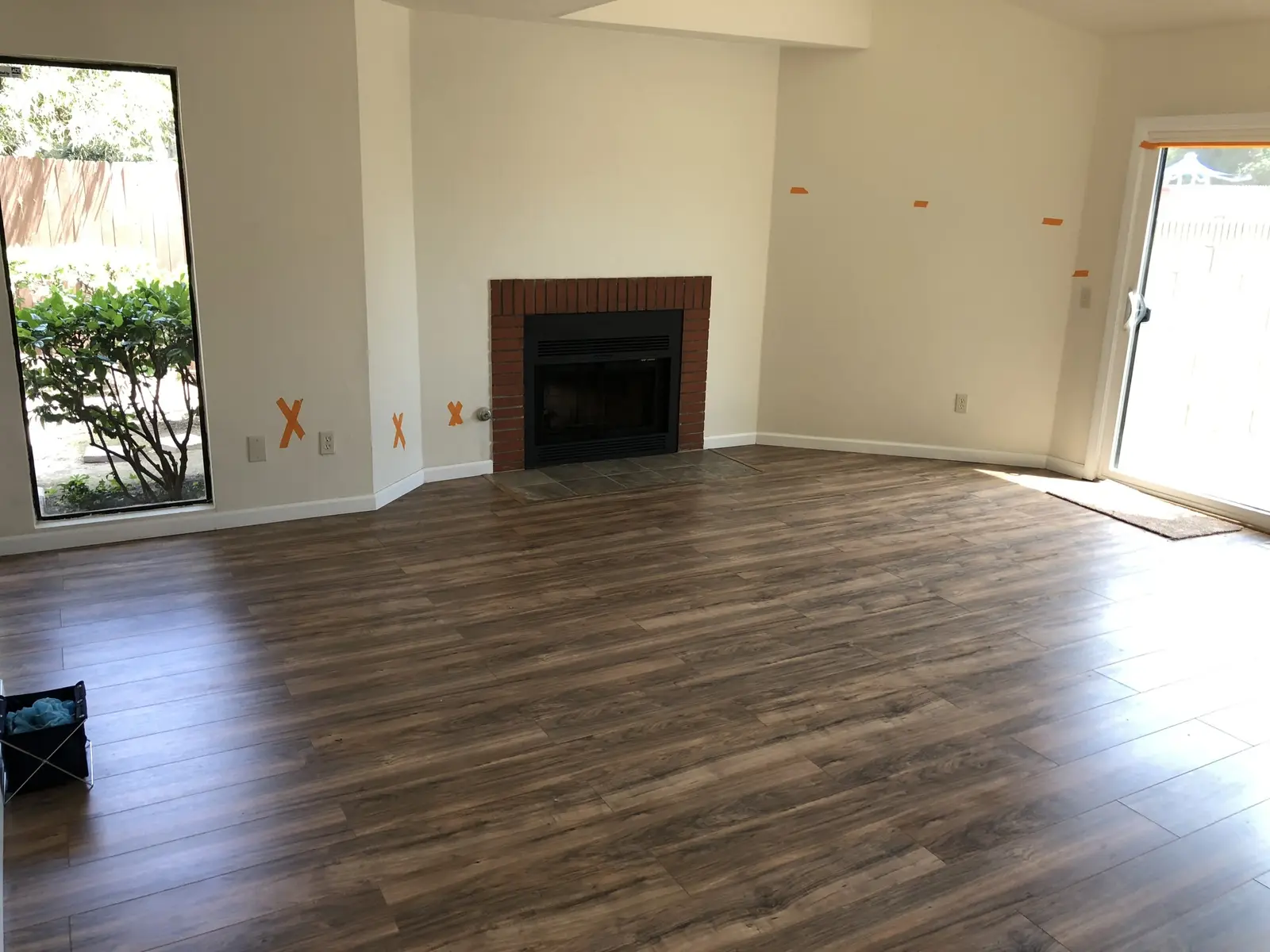
Remodeled living room — new wood flooring, fresh paint, finished fireplace. The townhouse looked move-in ready. 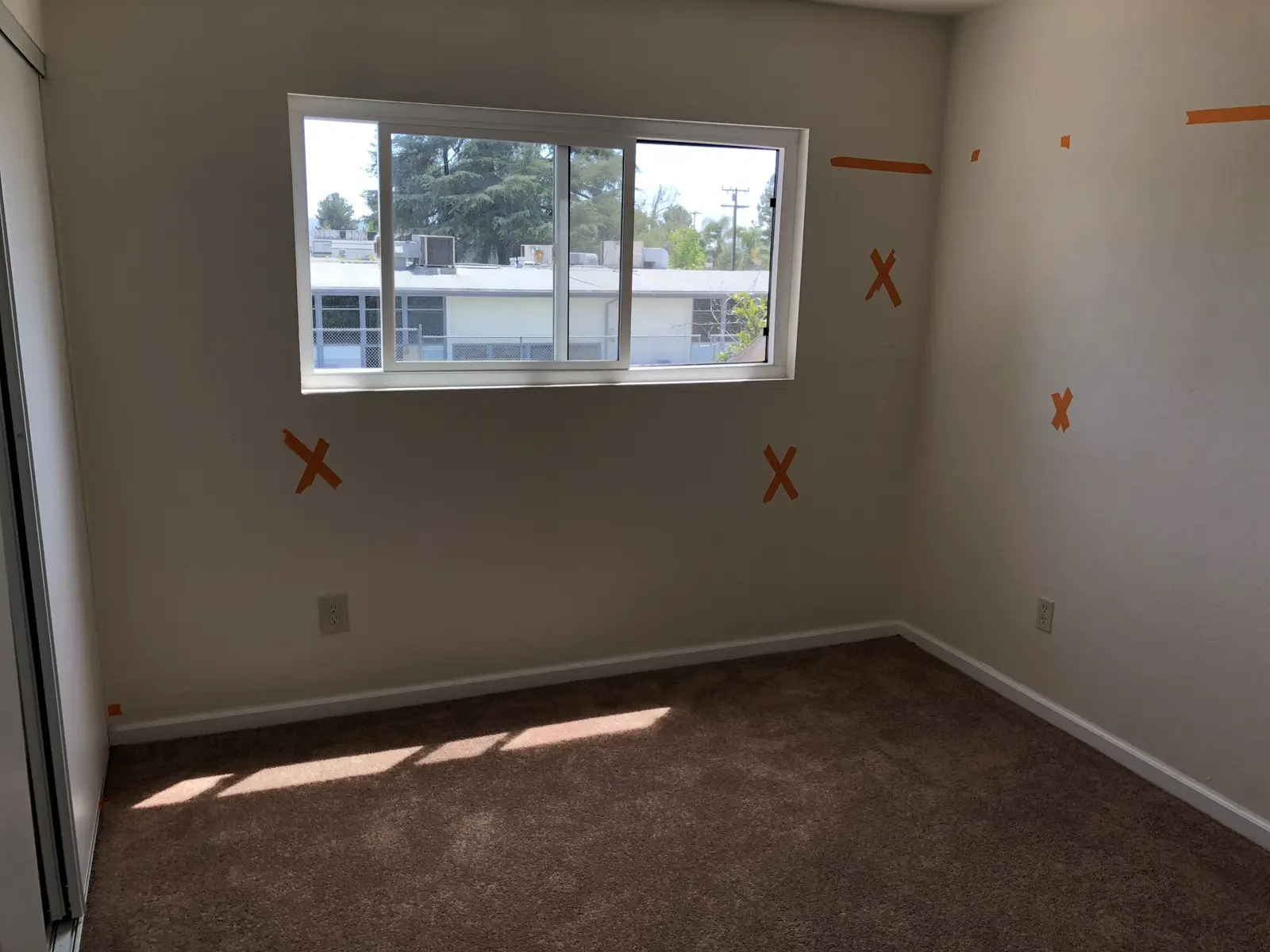
A bedroom with brand-new carpet and fresh paint. 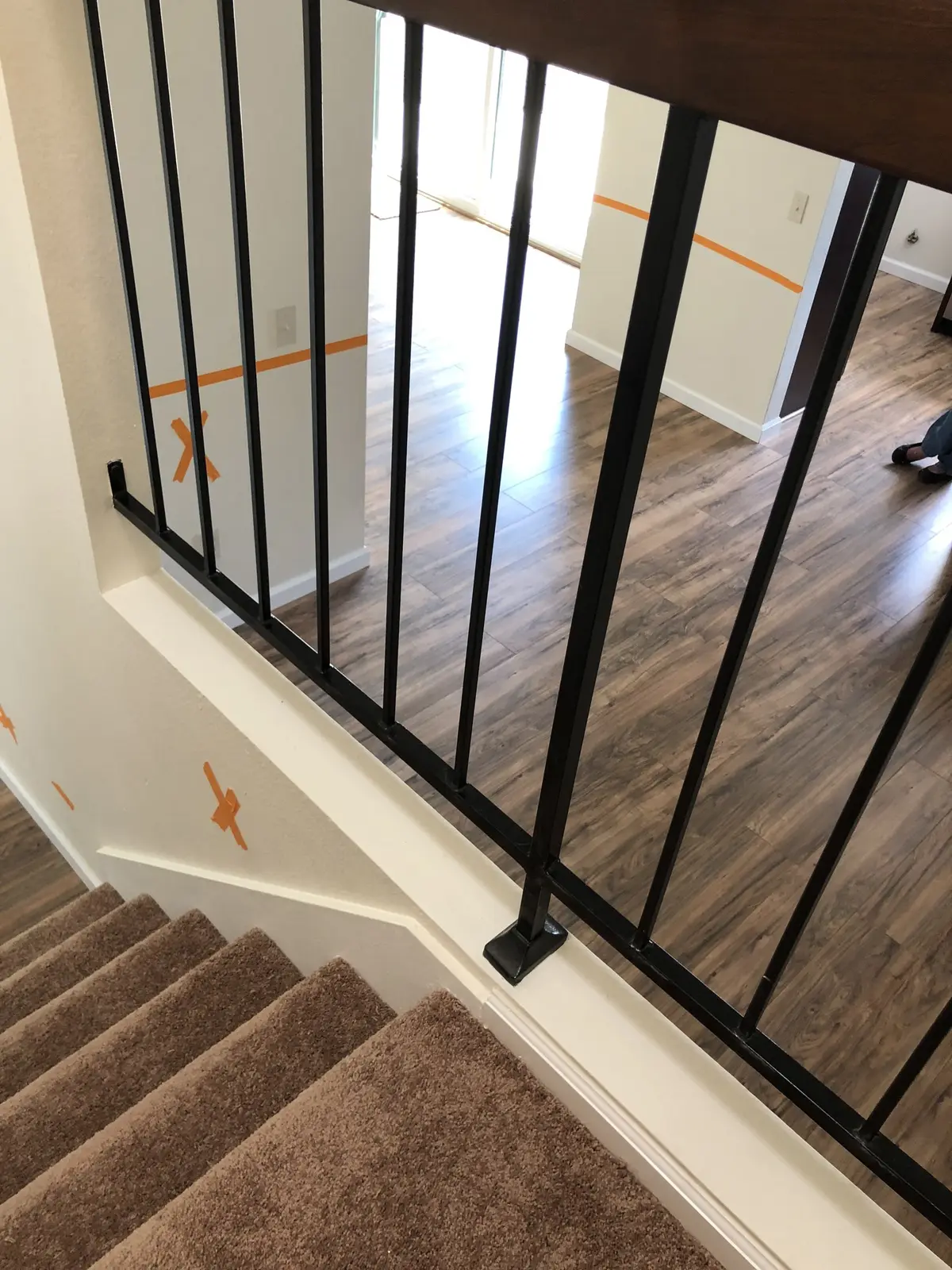
New flooring and a modern staircase in the fully remodeled townhouse. 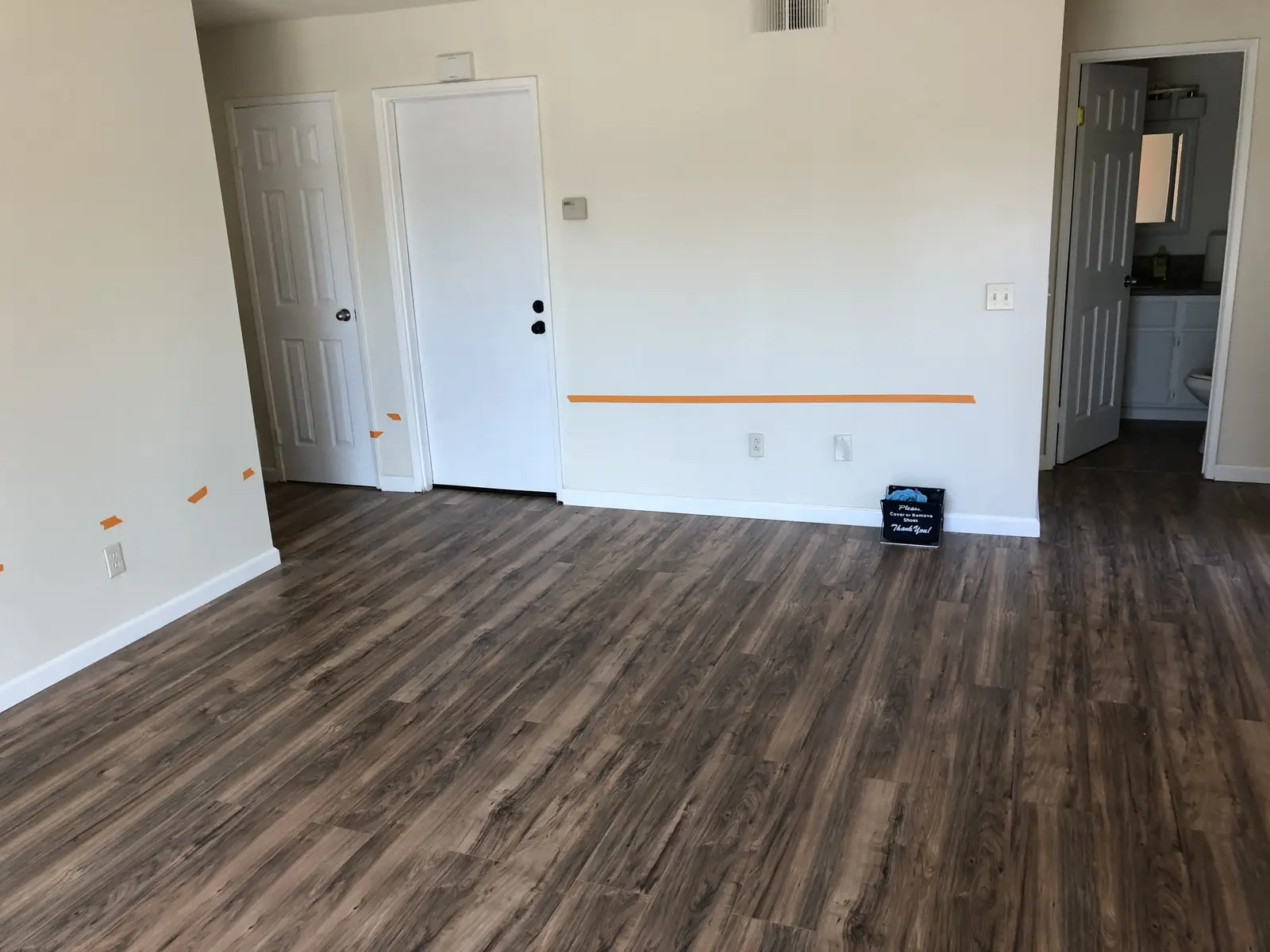
Open living area with all-new finishes. 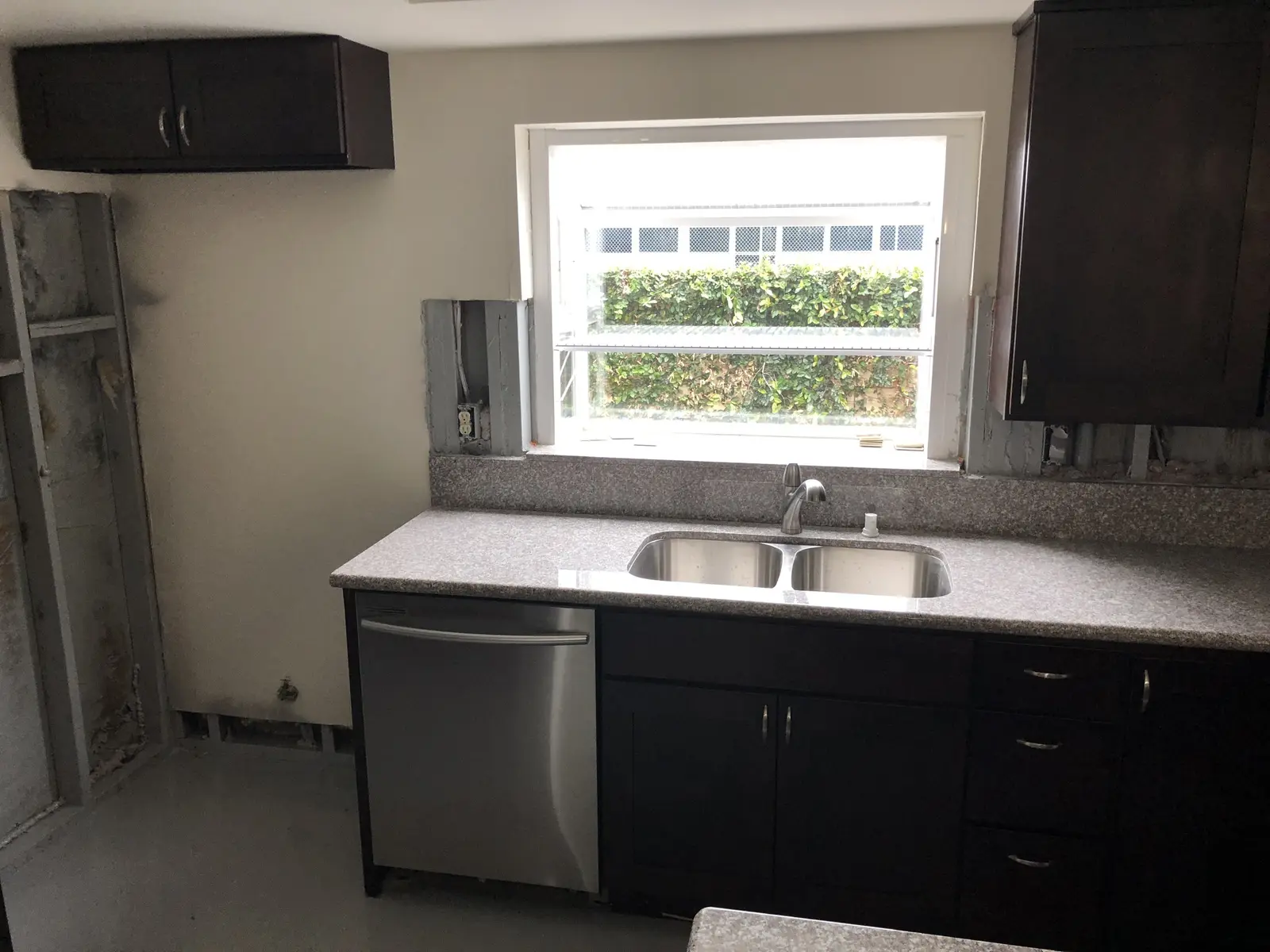
The remodeled kitchen — new cabinets, granite, stainless — part of the roughly $35,000 remodel done before the hidden urine problem surfaced. 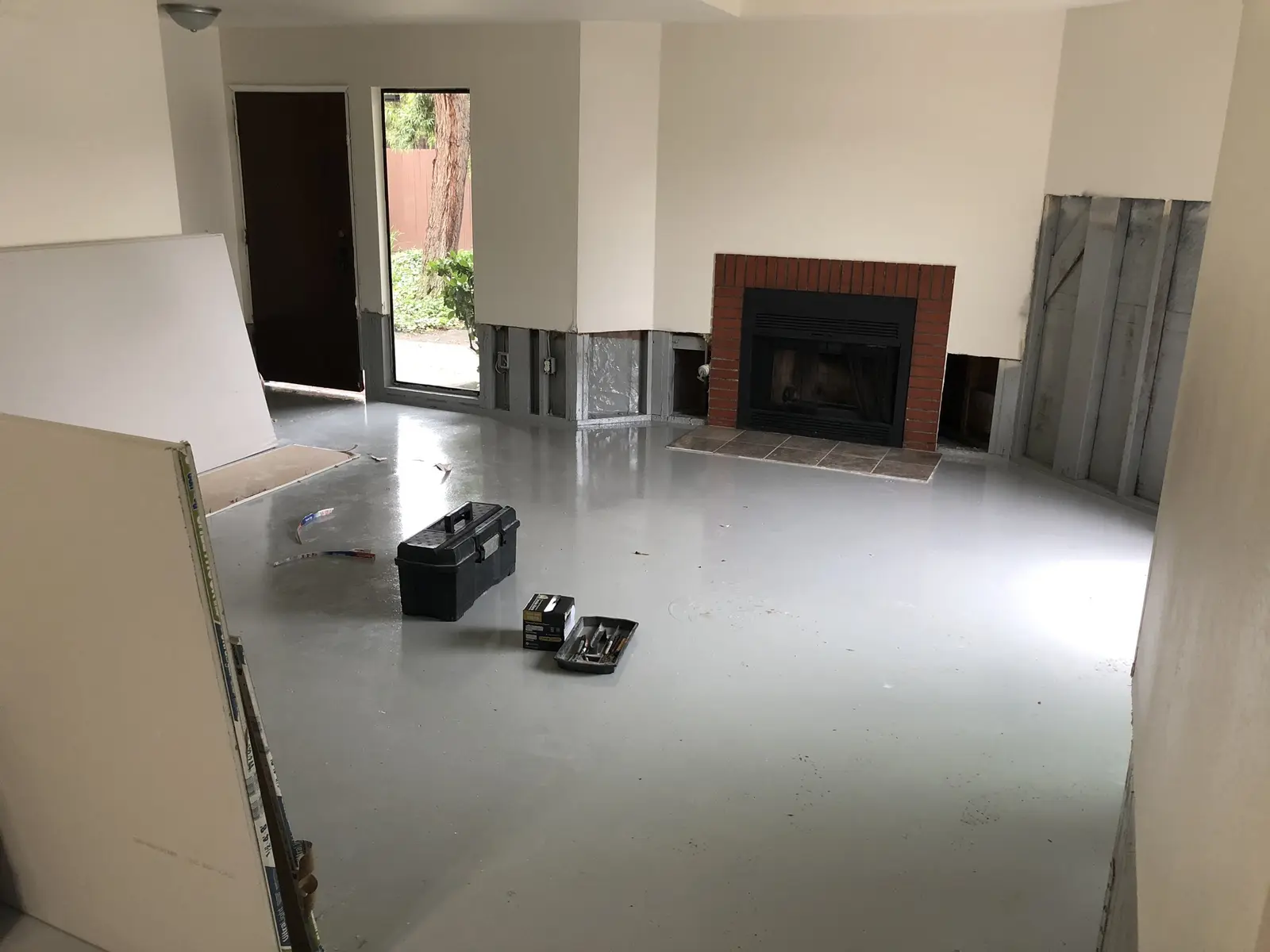
Remodeled living room — fresh paint, new flooring, fireplace.
The inspection findings
Orange tape identifies locations where the inspection found evidence of cat spraying or moisture beneath the fresh paint or new finishes. It isn't simply marking visible damage.
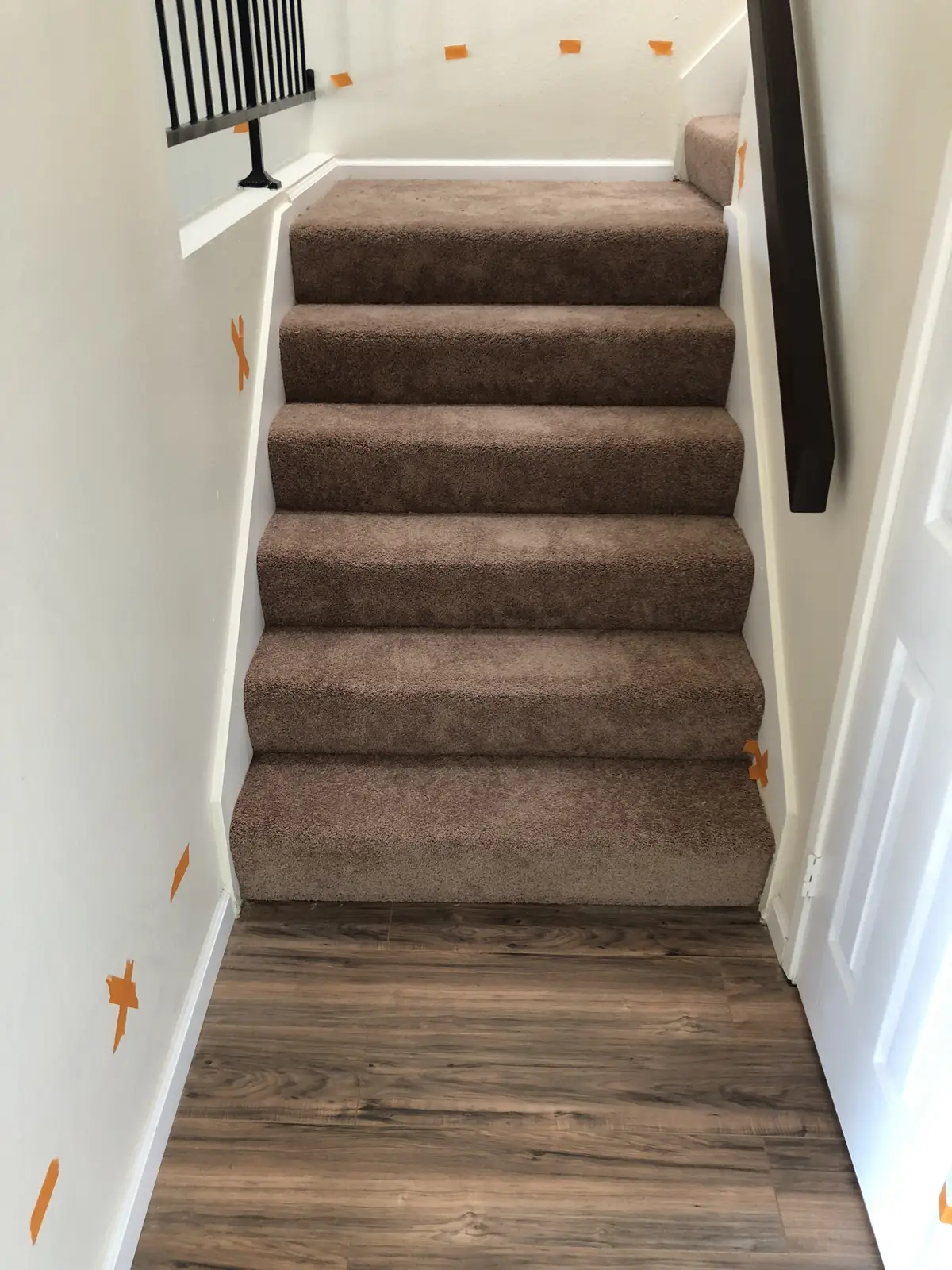
Brand-new carpet — the orange marks show where we found cat urine/moisture underneath during the pet odor inspection. 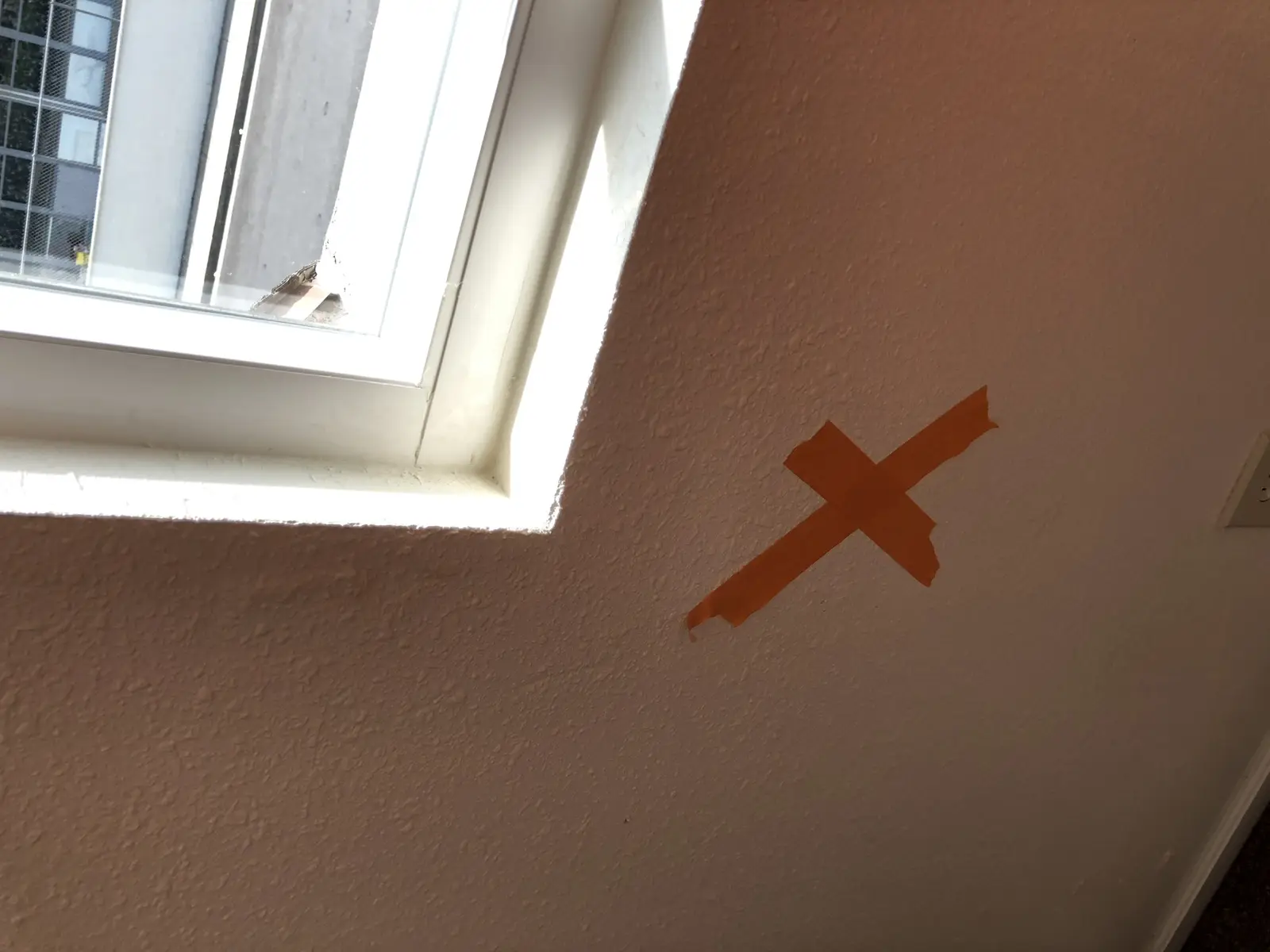
Orange tape marks a spot where we found cat spray or moisture under the fresh paint during the inspection. 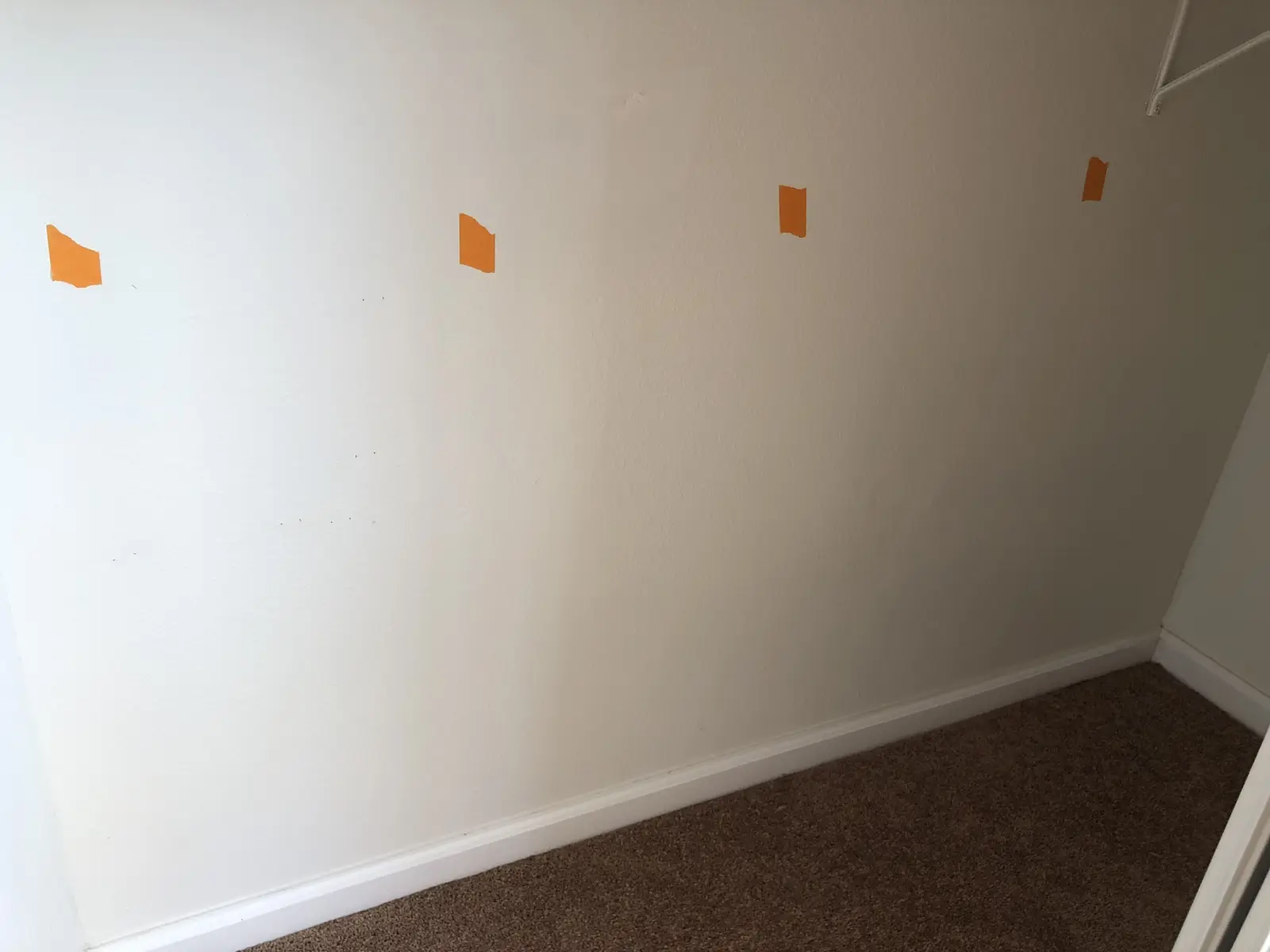
More inspection marks on freshly painted walls — cat spray/moisture detected beneath the new paint.
The tear-out
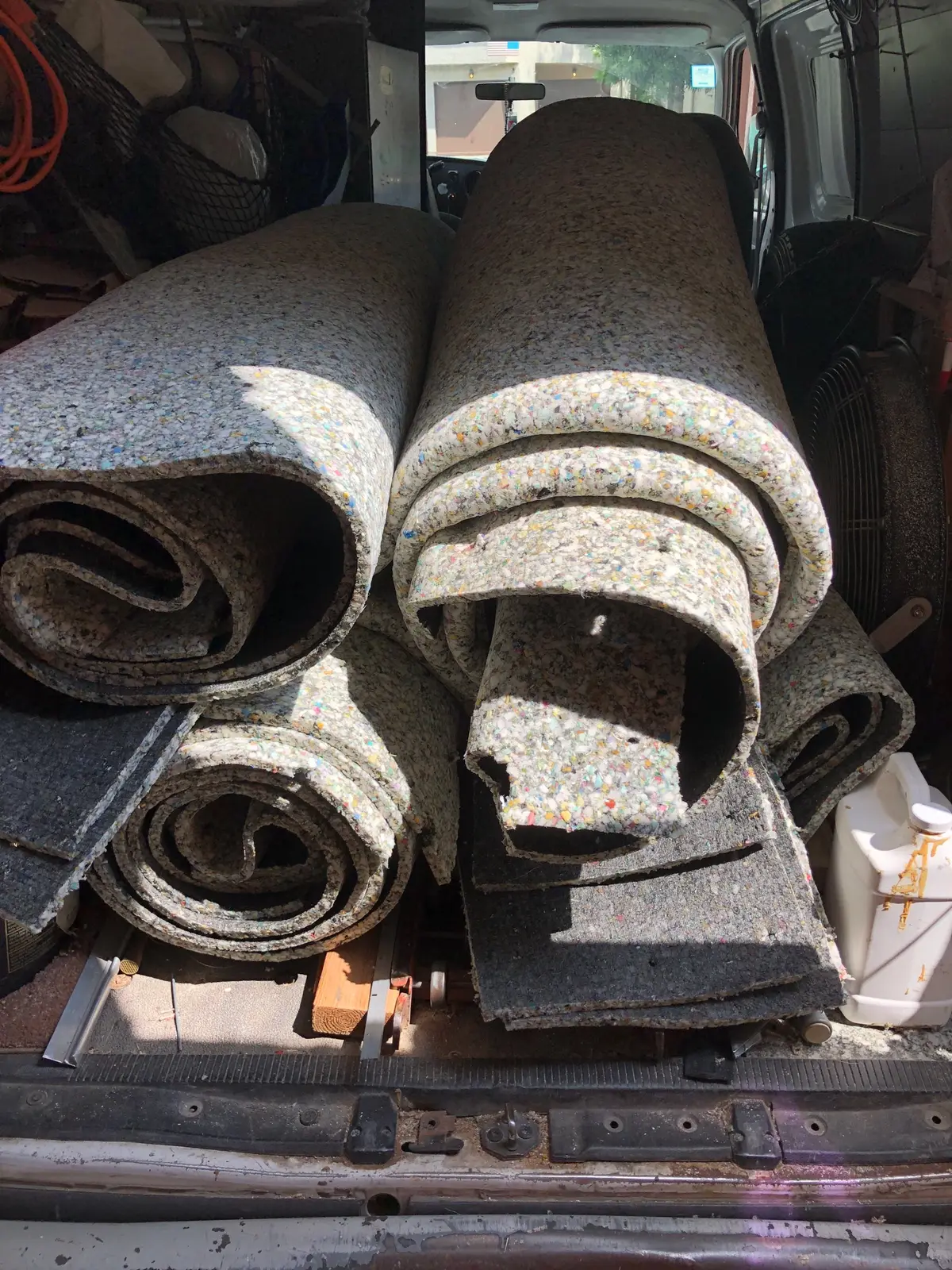
The new carpet and pad pulled up and set aside — urine damage underneath. 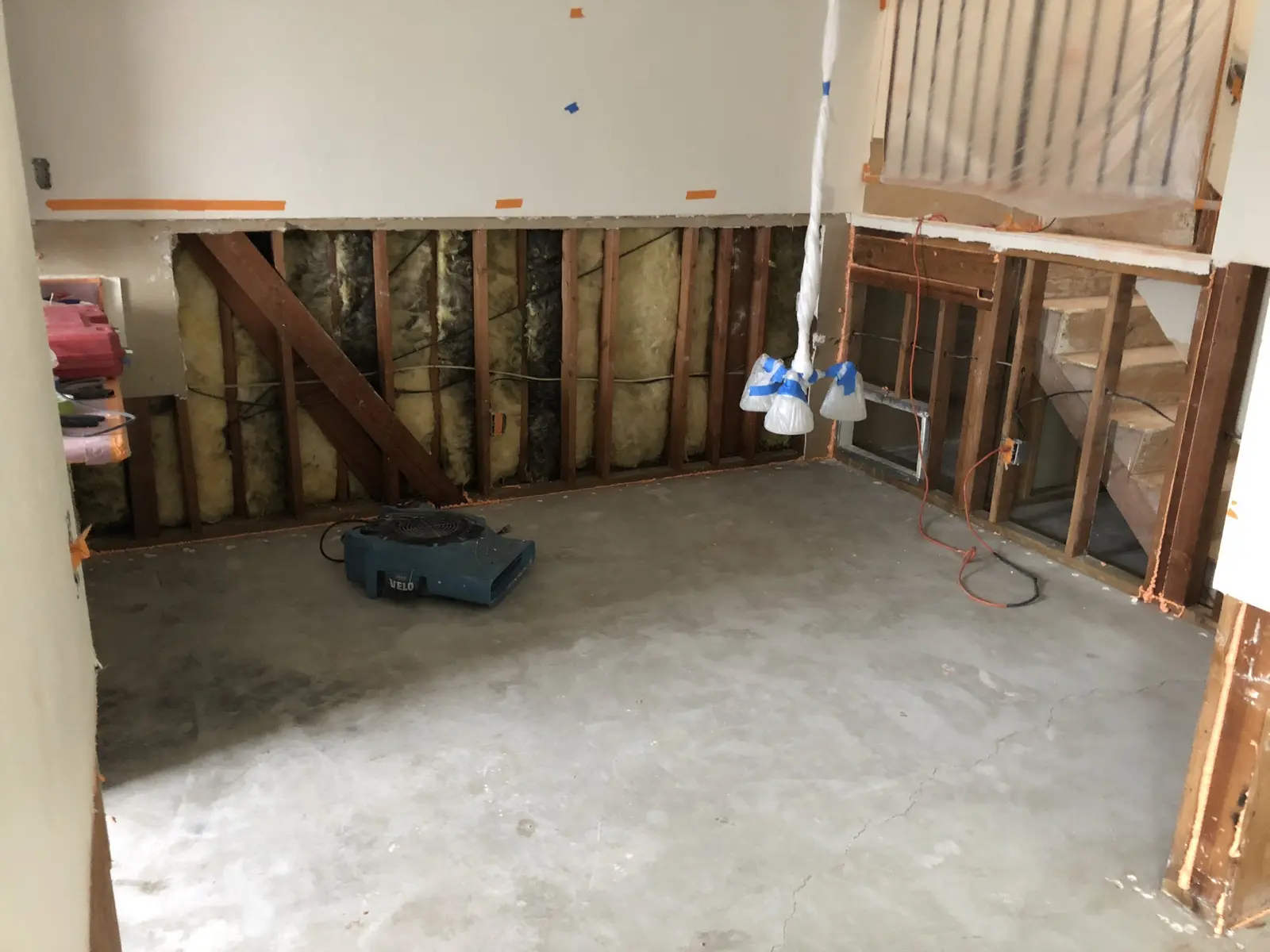
New drywall opened back to the studs to reach contamination in the framing and slab.
The contamination found
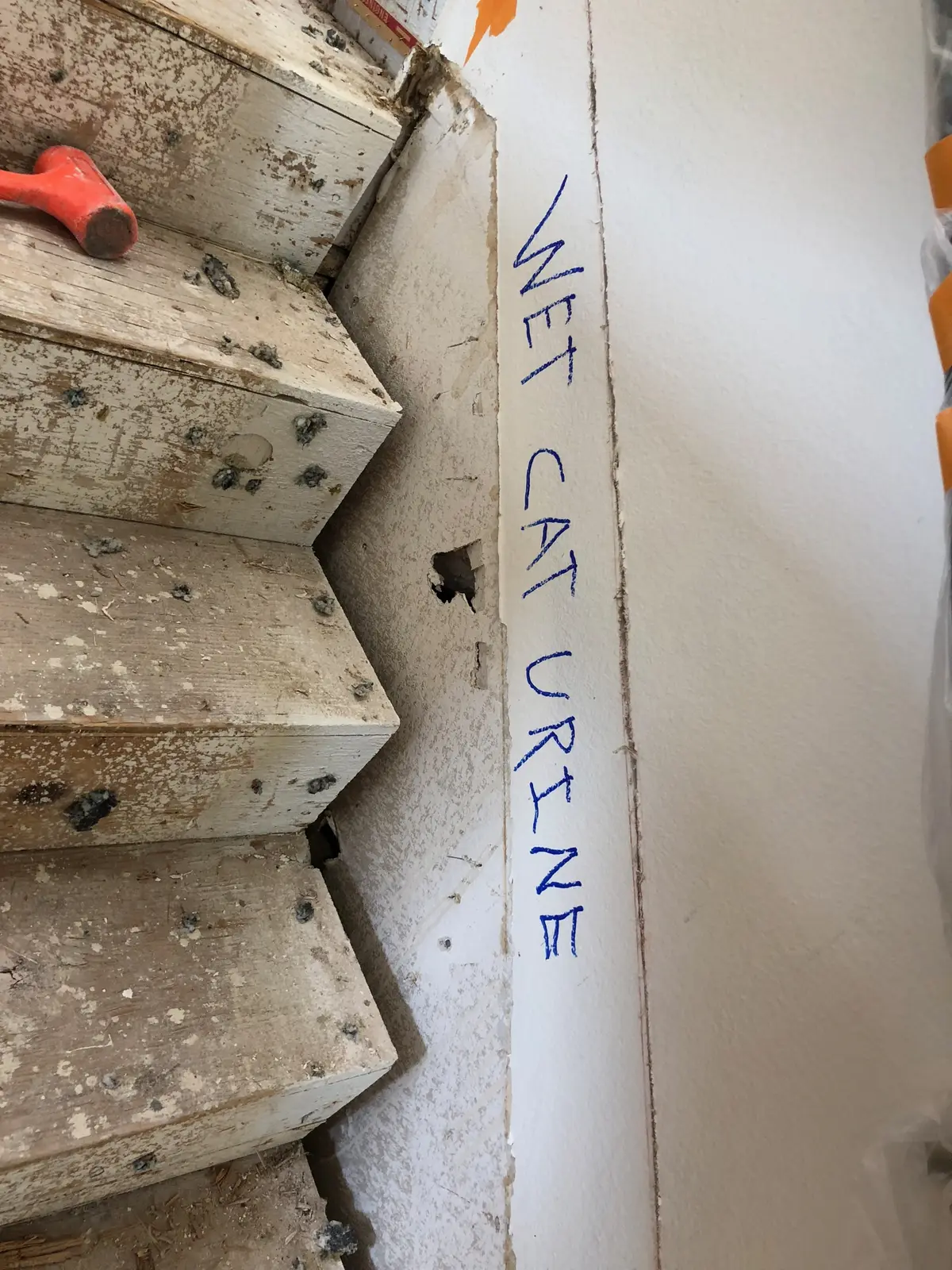
Stairs stripped to the structure; "WET CAT URINE" marks the contaminated area. 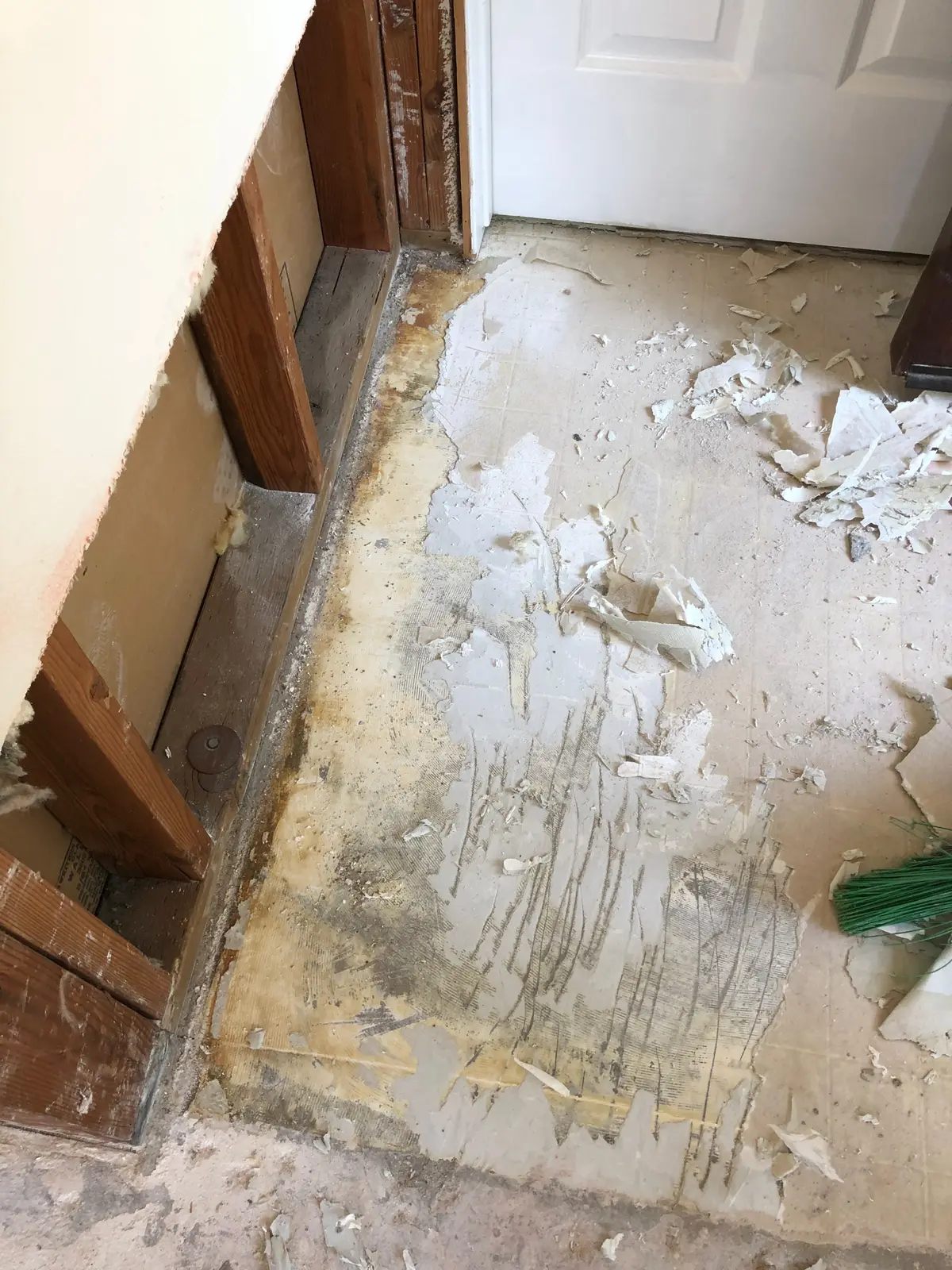
Urine-saturated subfloor exposed at a doorway after the new flooring came up.
The remediation
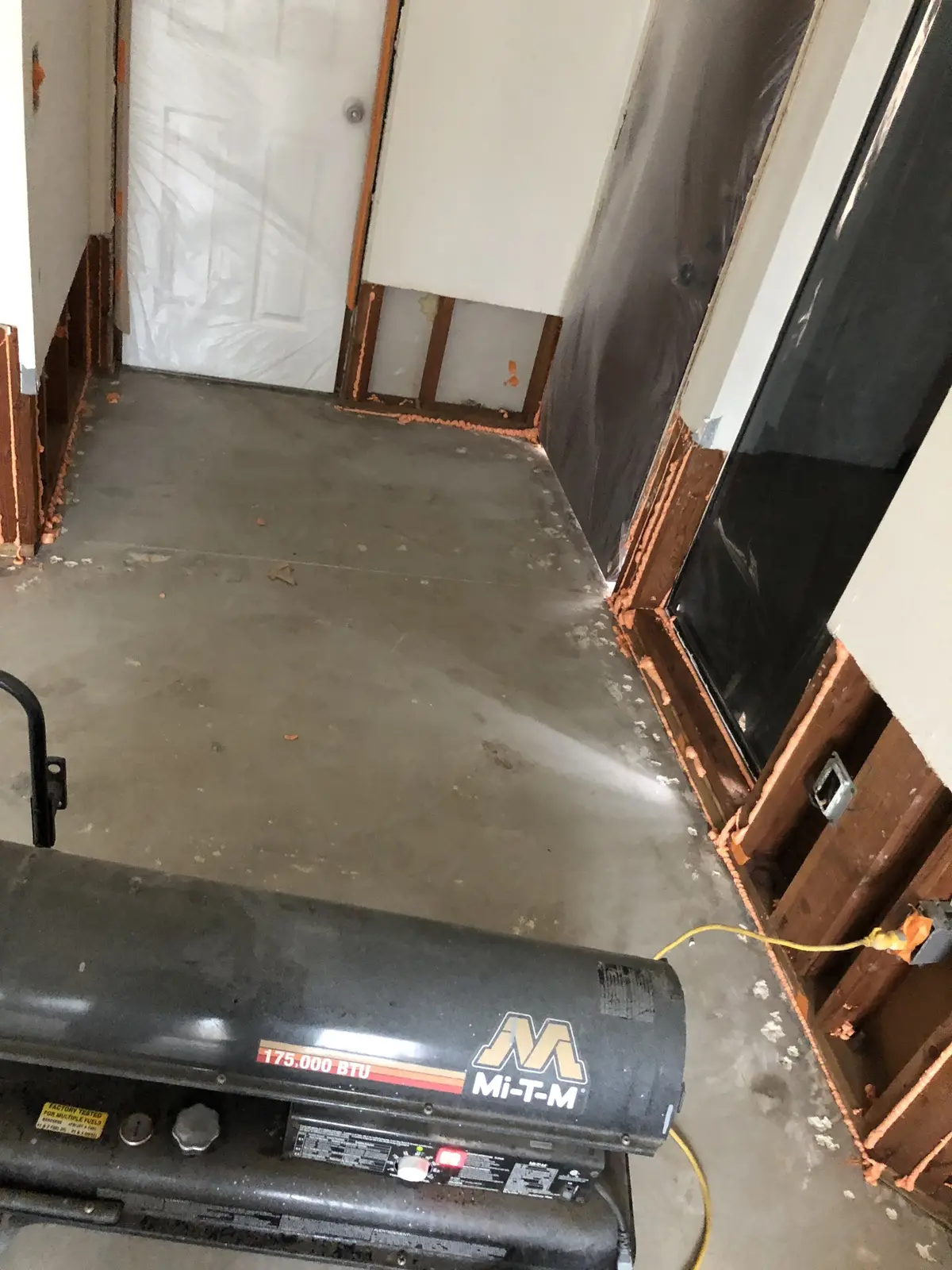
Structural surfaces sealed with the Odor Encapsulator after remediation. 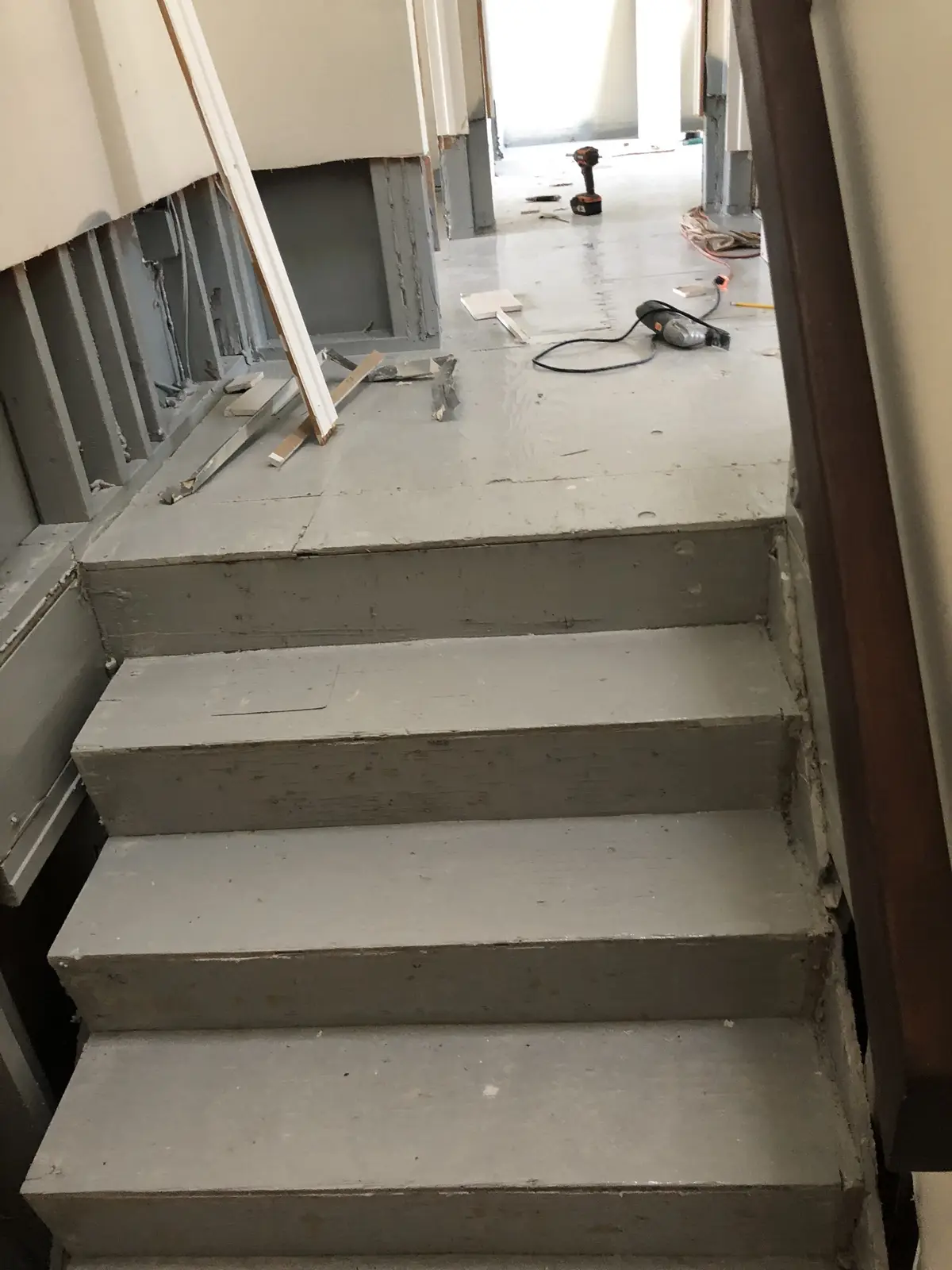
Treated, sealed walls and staircase — structure remediated before rebuild.