Hardwood floors can look clean while still holding onto pet urine odor. If you notice a stubborn smell that keeps returning, especially when the home is closed up or the weather turns humid, the issue is usually below the surface. Urine can seep between boards, soak into the wood fibers, and reach the subfloor. Once that happens, regular mopping and surface cleaners rarely solve it.
This guide explains why pet urine smell in hardwood floors is so persistent, how to find the true source, and what removal methods work depending on how deep the contamination goes. If you want to explore your options for professional help, start at the OdorXpert.
Why urine odor in wood floors is hard to remove
Urine behaves differently on hardwood than it does on tile or vinyl. Wood is porous, and hardwood installations have seams and gaps that allow liquid to migrate.
Urine can travel between boards
Even a small accident can run along the tongue and groove edges, or slip through micro gaps where boards meet. Over time, repeated accidents in the same zone can widen gaps slightly and increase absorption.
Wood fibers hold onto odor compounds
When urine dries, it can leave behind residues that keep releasing odor. Wood fibers and the finish layer can trap these residues. If the finish is worn or scratched, the wood absorbs more quickly.
The subfloor often becomes the real odor reservoir
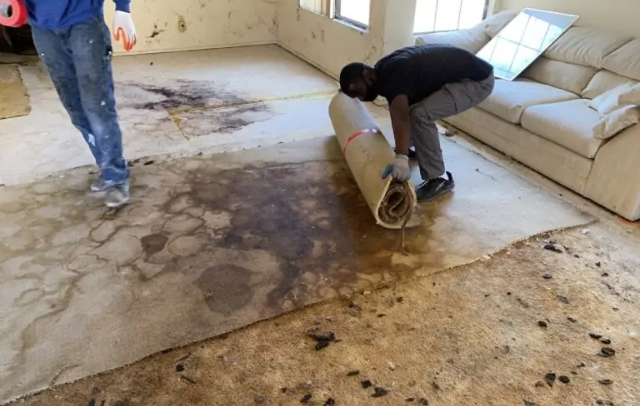
Once urine reaches the subfloor, the smell can come back again and again. You may clean the wood surface, but the subfloor continues to off gas, especially with humidity swings and HVAC cycling.
This is why deeper solutions like Subfloor Odor Sealing are often the main fix when the smell persists after surface cleaning.
Signs the smell is in the hardwood, not just on it
If you are trying to remove urine smell from a wood floor, the first step is determining how deep it went. Here are common clues.
Clue 1: The odor is strongest at floor level
If the smell hits you when you bend down, kneel, or walk barefoot in the area, it often points to absorption into wood seams, underlayment, or the subfloor.
Clue 2: The odor returns after cleaning
A returning smell is a sign that residue remains. Many products neutralize odor temporarily, but do not remove what is trapped below the finish layer.
Clue 3: Dark staining or dull patches
Darkened boards, dull finish, or slight cupping can indicate moisture exposure. Stains do not always mean urine, but urine often leaves irregular blotches that do not match typical water marks.
Clue 4: Odor seems to spread beyond the original spot
When urine migrates under boards, the odor zone can extend wider than the visible stain. People often treat one board area while the real contamination is under the perimeter.
What usually causes hardwood urine odor problems
Understanding the typical root causes helps you choose the right solution.
Repeated marking in the same spot
Cats and dogs often return to the same location. Even small repeat accidents can compound into a subfloor level issue.
Accidents near baseboards or corners
Urine in corners tends to wick along edges and soak into trim, drywall bottoms, and the subfloor seam near the wall. These areas are harder to dry and treat correctly.
Old padding or underlayment holding odor
Even if you have hardwood, there may be underlayment or an older layer below. If urine reached that layer, odor can continue even after surface treatment.
DIY products that add moisture and push urine deeper
Some cleaning attempts saturate seams and drive residue downward. That can make the smell worse later, especially in humid conditions.
The right approach depends on how deep the urine went
There is no single product that works for every hardwood situation. The best plan is layered, starting with detection and ending with the correct repair or sealing step if needed.
Surface only contamination
If the urine sat briefly and the finish is intact, you may be dealing with residue on top of the finish.
Often effective actions include:
- Gentle cleaning with a wood safe cleaner designed for sealed hardwood
- Thorough drying and ventilation
- Re checking odor after 24 to 48 hours
If odor remains, assume it moved into seams.
Seams and wood fiber contamination
If urine penetrated between boards or the finish is compromised, treatment needs to reach where the residue lives. This is where many homeowners get stuck, because soaking the floor is risky.
At this stage, the most important goals are:
- Limit moisture added to wood
- Use targeted treatment rather than flooding the area
- Remove residue rather than only masking it
Subfloor contamination
If the odor is strong, recurring, or associated with staining and repeat accidents, the subfloor is often involved. Subfloor level problems typically require professional evaluation because the correct fix may include selective board removal, treatment, and sealing.
You can learn what this targeted option looks like on the Subfloor Odor Sealing page.
How professionals find urine odor under hardwood
If you are not sure where the odor is strongest, professional evaluation saves time and prevents unnecessary tear out.
A proper assessment focuses on mapping odor zones, not guessing. That is the purpose of Odor Inspection and Detection.
What an odor inspection helps confirm
- Whether the odor is isolated to one area or spread under multiple boards
- Whether baseboards or lower drywall edges are involved
- Whether the odor is likely trapped in the subfloor
- Which repair path makes sense so you avoid over treating or under treating
If you are in a market with a mix of older homes and newer flooring installs, local context matters. For Sacramento homeowners dealing with pet odor issues in wood floors, seepet odor removal in Sacramento.
Step by step: How to remove pet urine smell from hardwood floors
This step by step section is designed to help you take the right next action without damaging the floor. If the odor is severe or has been present for a long time, consider starting with inspection first.
1. Stop using fragrance sprays and heavy cleaners
Air fresheners can mask the odor and make it harder to confirm progress. They also create a mixed smell that feels worse over time.
2. Identify the odor zone carefully
Walk the room slowly and note where the smell is strongest. Check near baseboards and corners. If you can, sniff at floor level to find the center of the odor.
If the odor seems hard to pinpoint, Odor Inspection and Detection can help confirm whether the source is in seams, under boards, or in the structure below.
3. Dry the area fully before doing anything else
If you recently cleaned the spot, let it dry completely. Use airflow and, if available, a dehumidifier. Moisture makes odor stronger and can increase wood absorption.
4. Clean the surface using a wood safe method
Use a cleaner intended for sealed hardwood, applied lightly. Avoid soaking the floor and avoid steam mops, which can push moisture into seams.
After cleaning:
- Wipe with a slightly damp cloth, not wet
- Follow with a dry towel immediately
- Run airflow for several hours
5. Evaluate whether seams are involved
If the smell remains, assume urine reached seams. At this point, repeated wet cleaning is more likely to cause damage than help.
Signs seams are involved:
- Odor is strongest along board edges
- Odor returns quickly after surface cleaning
- Staining follows the grain or board joints
6. Check for signs the subfloor is holding odor
These are common indicators:
- Strong odor that never fully goes away
- History of repeated accidents in the same area
- Odor strongest near walls, doors, or corners
- Multiple boards affected, not just one spot
When these signs are present, the most reliable long term fix often includes addressing the layer beneath the hardwood. This is where Subfloor Odor Sealing can become the main solution because it targets odor trapped in porous structural materials.
7. Avoid sealing the top of the floor as a first move
Many people want to coat the top of the hardwood and call it done. If urine residue remains below, top coating can trap odor and cause it to release from edges or adjacent rooms. It can also make future removal harder.
A better sequence is:
- Confirm the depth of contamination
- Treat or remove what can be treated safely
- Seal at the correct layer when needed, often the subfloor
8. If boards must be removed, keep it selective and targeted
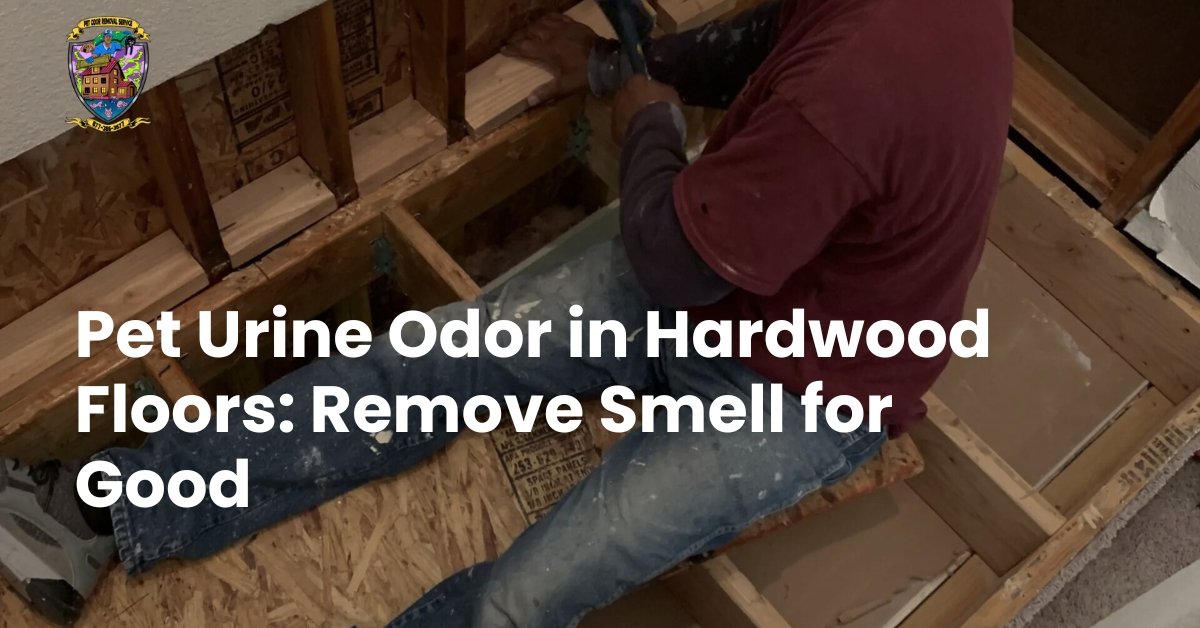
In severe cases, selective board removal may be the cleanest path. The goal is not full replacement, it is targeted access to treat and seal the true reservoir. A professional plan will focus on:
- Minimizing unnecessary tear out
- Treating structural materials correctly
- Preventing odor from returning seasonally
If you want a local starting point for homes and rentals in the region, pet odor removal in Sacramento is a good reference for service availability and common scenarios in the area.
Common mistakes that keep hardwood urine odor coming back
Using too much liquid on wood
Flooding the area can spread residue and increase absorption.
Assuming the smell is only in the stain
Odor zones are often larger than the visible spot.
Skipping the inspection step
Without confirming where the odor lives, it is easy to waste money on surface products that cannot reach the subfloor.
Treating the surface but ignoring corners and edges
Urine often wicks under baseboards and into seams near the wall line.
When it is time to bring in a professional
If you have tried careful surface cleaning and the odor persists, professional support is usually the fastest way to stop the cycle.
Consider professional help when:
- The odor returns during humid weather or after HVAC cycles
- The affected area is near a wall or under furniture where pets repeatedly marked
- You are preparing to rent, sell, or move into a home and need the smell resolved, not masked
- The odor seems to be in multiple rooms or levels
A practical next step is scheduling an evaluation through Odor Inspection and Detection so you know whether you are dealing with a surface problem or a subfloor problem.
Frequently Asked Questions
Q: Can pet urine smell come from hardwood even if there is no stain?
A: Yes. Urine can travel between boards and dry below the surface without leaving a dramatic stain, especially if the finish is intact.
Q: Why does the smell get stronger when the house is closed up?
A: Less ventilation allows odor to concentrate, and indoor humidity can rise slightly, which can increase odor release from residues below the surface.
Q: Is sanding hardwood enough to remove urine odor?
A: Sanding may help if the contamination is shallow, but it does not address subfloor absorption. If odor remains after sanding, the reservoir is likely below.
Q: What is the most common reason hardwood urine odor keeps returning?
A: The most common reason is contamination in seams, underlayment, or the subfloor, where surface cleaning cannot reach.
Q: When is subfloor odor sealing the right solution?
A: Subfloor sealing is commonly considered when urine has absorbed into porous structural materials and the odor returns despite correct surface level steps. Learn more about Subfloor Odor Sealing.
Q: I live in Sacramento. Does heat make this problem worse?
A: Heat can increase odor release, especially if residues are trapped below the surface. If the smell flares seasonally, a deeper inspection is usually helpful. See pet odor removal in Sacramento.If you want a clear plan for your specific floor, start with the OdorXpert home page and then book an inspection when you are ready to pinpoint the source and stop the odor from returning.