If you notice a pet urine smell in walls or a urine odor at baseboards that comes and goes, it usually means the urine soaked past the visible surface. Baseboards, drywall, and the framing behind them act like a sponge. Once urine gets into those porous layers, the odor can travel, settle, and then come back strong on humid days.
This guide explains why it spreads, how to confirm where it is, and what removal steps actually work when the smell is in baseboards and walls.
Why pet urine odor spreads into baseboards and walls
Porous materials pull liquid deeper than you think
Drywall paper, joint compound, wood trim, and many baseboards are porous. When urine hits the floor edge, it can wick upward into the drywall and trim through tiny pores. This same wicking process is known as capillary action, where liquid moves through narrow spaces inside porous materials.
The odor source can reactivate with humidity
Even after the visible wet spot dries, urine residue can remain. A common reason the smell returns is moisture. Higher indoor humidity can reactivate old deposits and make odors easier to notice again.
Urine can get behind trim and into wall cavities
Baseboards often have small gaps at the bottom edge or behind the trim. Urine can slip into those gaps and reach:
- The drywall edge and bottom plate
- The insulation inside the wall
- The stud bays where airflow carries odor up and outward
Once it is inside the wall cavity, warm air movement and pressure changes can push that smell back into the room, especially near outlets, gaps, and HVAC returns.
Cleaning the floor only treats the surface
Many DIY attempts focus on the top layer of flooring. If the odor is in the wall edge, simple mopping or fragranced sprays only reduce the smell temporarily. If residue remains in drywall, baseboards, or framing, it keeps off gassing.
How to tell if the smell is in the wall or just the room
Signs it is in baseboards or drywall
- The smell is strongest right at the wall line, not the middle of the room
- You notice it more when the room is humid or the heater turns on
- The baseboard looks swollen, stained, or separating at the seams
- The odor seems to come from one section of wall, even after cleaning the floor
The fast at home check that helps you narrow it down
- Sniff test at different heights: floor line, baseboard face, then 12 to 24 inches up the wall
- Lightly mist a small area with plain water and wait 5 to 10 minutes
- If the smell intensifies after moisture, residue is likely embedded in porous material
If you want real confirmation before tearing anything out, a professional odor inspection can pinpoint the source area and depth, so you are not guessing.
Why baseboards are a common hidden source
Baseboards are often made from wood or MDF, and both can absorb urine. MDF in particular swells and holds odor. Even solid wood baseboards can absorb urine at the end grain and seams.
Behind the baseboard is the drywall edge, which can act like a wick. If urine reached the bottom edge of drywall, it can contaminate the paper facing and the gypsum core. Once that happens, removing odor usually requires more than surface cleaning.
What actually removes pet urine smell in walls
You need two goals
- Remove or neutralize the contamination
- Block any remaining odor molecules from escaping back into the room
In real homes, the best approach depends on how far the urine traveled and how long it has been there.
When enzymatic treatment can help
Enzymatic cleaners can be helpful when urine is recent and has not fully penetrated into insulation or deep wall cavities. Some restoration sources describe enzymatic cleaners as a way to break down urine residues instead of masking the smell.
That said, if the drywall edge, bottom plate, or insulation is contaminated, enzymes alone may not reach the full source without opening the wall.
When removal and repair is the smarter option
If the odor is persistent, keeps returning, or the baseboard and drywall show damage, the most reliable fix often includes selective removal:
- Remove the contaminated baseboard section
- Cut out the affected drywall strip
- Treat framing and sub surfaces
- Seal and rebuild so odor cannot bleed back through
This is exactly where a dedicated drywall odor removal process matters, because repainting alone often fails when contamination is inside the wall material.
Step by step: How to remove urine odor at baseboards and walls
Use these steps as a practical roadmap. Stop at the point that matches what you find. If you uncover widespread contamination, move to inspection and repair instead of repeatedly treating the surface.
Step 1: Identify the exact section and edges
- Mark the strongest odor zone along the wall
- Check adjacent corners and the wall behind furniture
- Note whether the smell climbs up the wall or stays at the base
Step 2: Check the baseboard material and condition
- Press gently on the baseboard for swelling or softness
- Look for staining at seams and at the floor line
- If MDF is swollen, plan to replace it rather than trying to save it
Step 3: Do a controlled surface clean first
- Clean the floor edge and baseboard face with a mild cleaner
- Rinse with clean water on a damp cloth, not soaking wet
- Dry completely with airflow
This does not solve deep contamination, but it removes surface residue so you can judge what remains.
Step 4: Apply an enzyme product correctly if the contamination is shallow
- Follow label instructions exactly
- Use enough product to reach the source area, not just mist the surface
- Allow proper dwell time
- Dry fully and recheck odor the next day
If the smell remains strong at the wall edge after drying, assume it is inside porous material.
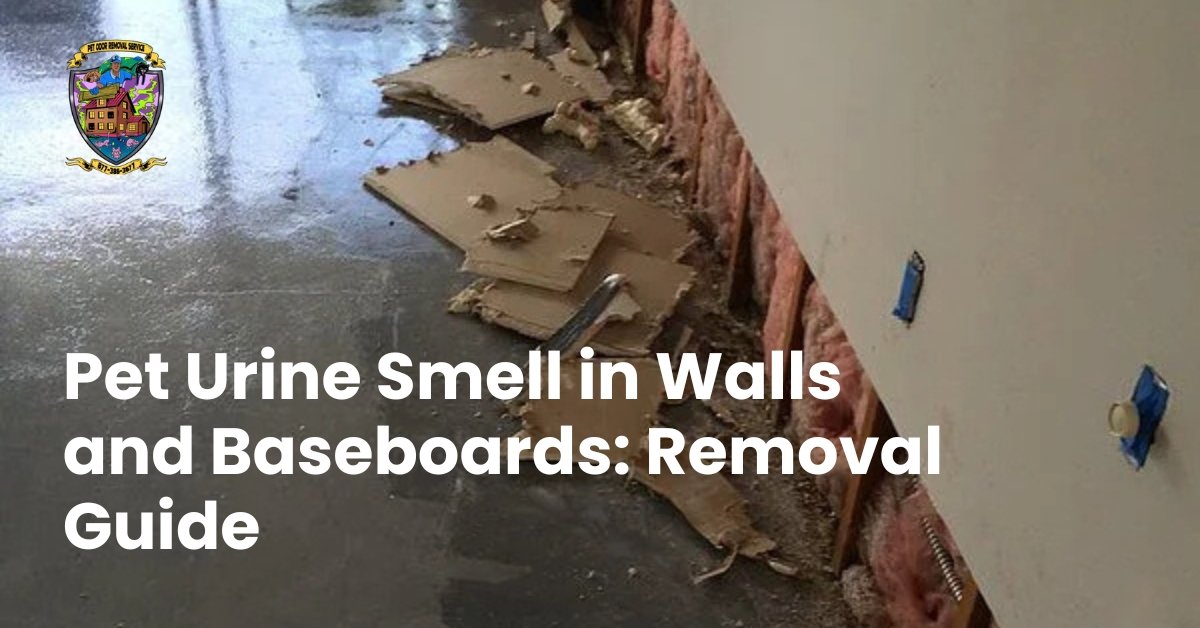
Step 5: Remove trim to inspect the hidden wall edge
- Carefully remove the baseboard in the affected section
- Inspect the drywall edge and the back of the trim
- If you see staining or the drywall edge smells strongly, drywall removal is usually required
Step 6: Cut and remove contaminated drywall where needed
- Remove a small strip first, commonly 6 to 24 inches high depending on odor climb
- Bag debris immediately to avoid spreading odor dust
- Check the bottom plate and stud faces for odor
Step 7: Treat framing and allow it to dry
- Clean contaminated wood framing with an appropriate cleaner
- Use targeted odor treatment on the wood
- Dry thoroughly with airflow and dehumidification if needed
Step 8: Seal remaining odor at the source
If a trace odor persists in framing or surrounding materials, sealing is often necessary so it cannot migrate back into the room. This step is especially important when the contamination is older or has soaked into wood.
Step 9: Rebuild and prevent repeat marking
- Replace drywall and finish the wall
- Install new baseboards
- Address pet behavior triggers and clean any nearby spots the pet may have marked
Common DIY mistakes that keep the smell coming back
Over wetting the area
Soaking the wall edge can push residues deeper or rehydrate old deposits, making odor stronger again.
Painting over odor without removing contamination
Paint alone often fails because the odor source is still inside drywall, trim, or framing.
Only treating the floor
If urine got behind the baseboard, the floor can be clean and the smell will still return.
When to bring in a professional odor inspection
If any of these are true, an inspection saves time and prevents unnecessary demolition:
- The smell returns after multiple cleanings
- You cannot locate the strongest source area
- You suspect the odor is inside insulation or framing
- The odor affects multiple rooms or keeps spreading
A professional can map the affected sections and recommend the least invasive repair plan that actually resolves the problem.
If you are dealing with urine odor in baseboards and the wall edge, the fastest path is usually a targeted inspection followed by drywall odor removal where needed, rather than repeating surface cleaning.
Oakland note: older homes and tight wall lines
In many Oakland homes, baseboards and wall edges can have layered materials, older trim profiles, and multiple paint coats. That can trap odor in seams and make the smell feel like it is coming from everywhere. The fix is still the same: locate the source, remove contaminated porous material, treat the framing, and seal what remains.
Frequently Asked Questions
Why does pet urine smell in walls get worse when it rains or the air feels damp?
Humidity can reactivate old deposits and make odors more noticeable, especially when residue is embedded in porous materials.
Can I remove urine odor from baseboards without replacing them?
Sometimes, if the urine only affected the surface and the baseboard is not swollen. If the back side or the bottom edge absorbed urine, replacement is often the most reliable option.
Will an enzymatic cleaner work on urine in drywall?
Enzymes can help in shallow contamination, but drywall is porous and may hold residue deep inside. Restoration guidance often positions enzymes as source targeting, but deep wall contamination frequently requires removal and repair.
How do I know if insulation inside the wall is contaminated?
If odor remains strong after baseboard removal and the wall cavity smells when opened, insulation may be affected. An odor inspection can confirm without guessing.
Is repainting enough to stop the smell from coming through the wall?
Repainting alone often fails if contaminated drywall or framing remains. Source removal plus sealing is the usual solution for persistent cases