If you have ever cleaned a cat urine accident and thought you solved it, only to smell it again days later, you are not imagining things. Cat urine odor is famous for coming back because the problem is often not on the surface. It sinks, bonds, and lingers in ways normal household cleaners cannot fully remove.
In this guide, you will learn why the smell returns, what mistakes make it worse, how to figure out where the odor is hiding, and what actually works for a permanent fix.
The real reason cat urine odor returns
Cat urine is not just water and a little smell. It is a mix of compounds that change over time.
Right after an accident, you might notice a sharp ammonia like smell. That ammonia smell can fade, and you assume the area is clean. But the deeper problem is that cat urine contains uric acid and related salts that can cling to surfaces, especially porous materials. These residues can stay behind even after you wipe, scrub, and deodorize. Some resources explain that uric acid is not water soluble and can form deposits that typical cleaners do not neutralize.
Then humidity, warm temperatures, or steam cleaning can reactivate the odor. In other words, the smell comes back because the source was never fully removed, it was only reduced temporarily.
Why normal cleaning seems to work at first
Most people clean the visible stain and the top surface. That can reduce odor quickly, especially if you catch it fast. The problem is that cat urine often travels farther than you think.
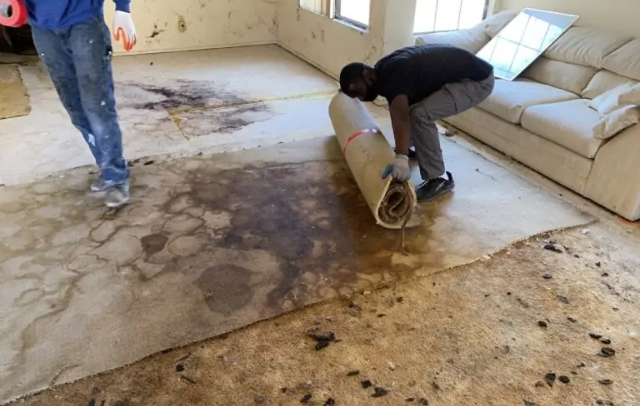
On carpet, it can pass through the fibers into the padding. From padding, it can reach the subfloor. On hard floors, it can seep between boards, into cracks, and into baseboards. In some homes, urine odor can even migrate to drywall if the accident happened near a wall edge or repeatedly in the same spot.
When you clean only the surface, the room can smell fine until moisture in the air rises, the heat turns on, or you mop and add water again. Those conditions can bring odor molecules back into the air.
Common mistakes that make the smell return faster
Using the wrong cleaner
Many household products remove stains but do not break down the urine residues that keep producing odor. That is why strong smelling sprays or soap based cleaners can seem helpful but fail long term.
Enzyme based cleaners are often recommended because they are designed to break down urine components at the source. Some consumer health guidance explains that enzyme cleaners can break down uric acid in cat pee.
Not using enough product
If the urine soaked into carpet padding, applying enzyme cleaner only on the carpet surface does not reach the real contamination. You need enough product to penetrate to the depth of the urine.
Rubbing and spreading
Aggressive scrubbing can push urine deeper into porous material and spread it outward, increasing the area that needs treatment.
Re wetting the area with water
Water can help enzyme cleaners work, but plain water or wet mopping without enzyme treatment can rehydrate dried deposits and bring odor back.
Using ammonia based cleaners
Some guidance warns against ammonia cleaners because the smell can resemble urine and may encourage repeat marking.
Mixing cleaners dangerously
Never mix cleaning products, especially bleach with ammonia containing products, because harmful fumes can form. Public health guidance warns not to mix household cleaners that can release gases.
How to tell if the odor is only surface level or structural
A simple way to think about it is this.
If it was a single recent accident you cleaned immediately, and the smell never returns during humid days or after mopping, it may be surface level.
If you notice any of the signs below, the odor is likely deeper than the surface.
- The smell returns after rain, humidity, or running the heater.
- The smell is stronger at certain times of day.
- Your cat keeps returning to the same spot.
- You see staining that keeps reappearing.
- You tried multiple cleaners and the odor still comes back.
Veterinary behavior guidance also notes that cleaning alone often does not eliminate marking behavior, and cats may return to refresh the scent message even after cleanup.
Where cat urine hides most often
Carpet and padding
Carpet is like a filter. It can hide odor at the top while the padding below holds the majority of contamination. Padding is designed to absorb, so it traps urine and keeps releasing odor.
Subfloor
Wood and concrete can absorb urine, especially when accidents are repeated. Even if you replace carpet, odor can remain in the subfloor and rise back into the room.
Baseboards and drywall edges
If accidents happen near walls, urine can wick into the bottom edge of drywall or behind baseboards.
Furniture, cushions, and fabrics
Cat urine can seep into foam and fabric layers. You may clean the cover but not the foam core.
What actually works to stop the odor from coming back
There is no single magic spray for every scenario. The correct fix depends on how deep the urine went.
Step 1: Confirm the full contaminated area
Use your nose, but also use practical checks.
- Smell test when the room is closed for a few hours.
- Check after humidity rises, such as after a shower.
- Use a UV light carefully. UV can help, but it also shows old spills and other residues, so it needs interpretation.
If you want a professional grade confirmation, an odor inspection can identify hidden urine sources and prevent wasted effort treating the wrong spots.
Step 2: Treat with the right method for the material
If it is surface level on sealed hard floor
Blot quickly, clean, then apply an enzyme cleaner following the label instructions. Let it dwell long enough to work, then dry completely.
If it is in carpet but not deep
You may need repeated enzyme treatment with sufficient saturation, followed by thorough drying. Drying matters because lingering moisture can keep odor active.
If it is in carpet padding or subfloor
At this stage, surface cleaning usually will not solve it permanently. Options can include targeted professional extraction and treatment, removing padding, treating or sealing the subfloor, or replacing damaged materials depending on severity.
If it reached drywall or baseboards
You may need localized repair, replacement of damaged sections, and odor blocking treatment to prevent re release.
Step 3: Prevent repeat marking
Even a small remaining odor can attract a cat back to the same place. Addressing litter box accessibility, stress triggers, and medical issues can help reduce recurrence. Veterinary behavior resources describe urine marking as a communication behavior and emphasize managing triggers in addition to cleanup.
The easiest way to know you need professional help
You likely need professional cat urine odor removal if any of these are true.
- The smell returns after multiple cleanings.
- The odor worsens with humidity.
- You suspect padding or subfloor contamination.
- The accident area is large or repeated for months.
- You are preparing a home for sale or move out and need certainty.
Professional treatment is not only about stronger products. It is about locating the true source, using the correct process for each material, and sealing or repairing structural areas when needed.
What a professional permanent fix usually looks like
A professional approach often follows a sequence.
First, inspection to identify the exact location and depth.
Second, targeted removal or treatment such as deep extraction, sub surface treatment, and neutralization.
Third, structural solutions when necessary, such as subfloor odor sealing or localized drywall repair.
Fourth, verification that the odor is gone, not just masked.
If you want that level of certainty, OdorXpert’s Cat Urine Odor Removal service is designed for permanent results, especially in cases where the odor keeps coming back.
FAQs
Why does cat urine smell come back after shampooing the carpet?
Carpet shampooing adds moisture. If urine residues are still in the padding or subfloor, moisture can reactivate odor and push it back into the air.
Do enzyme cleaners always work?
They can work well for fresh and surface level accidents when used correctly and long enough. They often fail when urine has soaked into padding, subfloor, or wall materials because the product does not reach the full depth.
Can I use bleach to remove cat urine smell?
Bleach is not a good solution for urine odor and mixing cleaners can create dangerous fumes. Public health guidance warns not to mix household cleaners that can release harmful gases.
Why does my cat keep peeing in the same spot?
Cats may return to areas that still smell like urine to them. Behavior guidance notes that cleaning alone often does not stop marking, and underlying triggers may need to be addressed.
How do I know if urine reached the subfloor?
If odor returns after cleaning, feels strongest near the floor, or persists after carpet cleaning, subfloor contamination is a strong possibility. An odor inspection can confirm it.